
#FactCheck -AI-Generated Video Falsely Shows Sachin Tendulkar Promoting Investment Scheme
Executive Summary
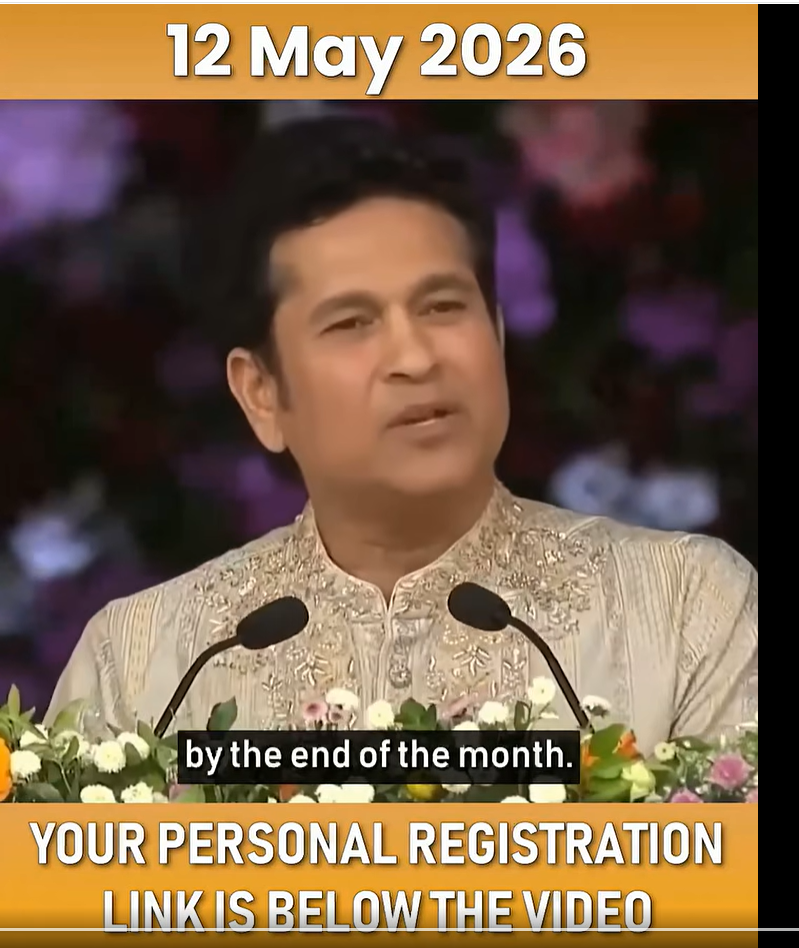
A video featuring former Indian cricketer Sachin Tendulkar is being widely circulated on social media with the date “12-5-2026” displayed on the screen. In the viral clip, Tendulkar appears to promote an investment scheme, allegedly saying that people investing in the scheme today could earn Rs 80 lakh by the end of the day. Throughout the video, he is seen speaking about investment opportunities and financial returns. However, research conducted by CyberPeace Research Wing found that the video is AI-generated and misleading. The original footage was actually from an event marking the centenary celebrations of Sri Sathya Sai Baba.
Claim
A Facebook user shared the viral video on May 12, 2026, claiming that Sachin Tendulkar was endorsing a high-return investment scheme. The post quickly gained traction on social media platforms.
Fact Check
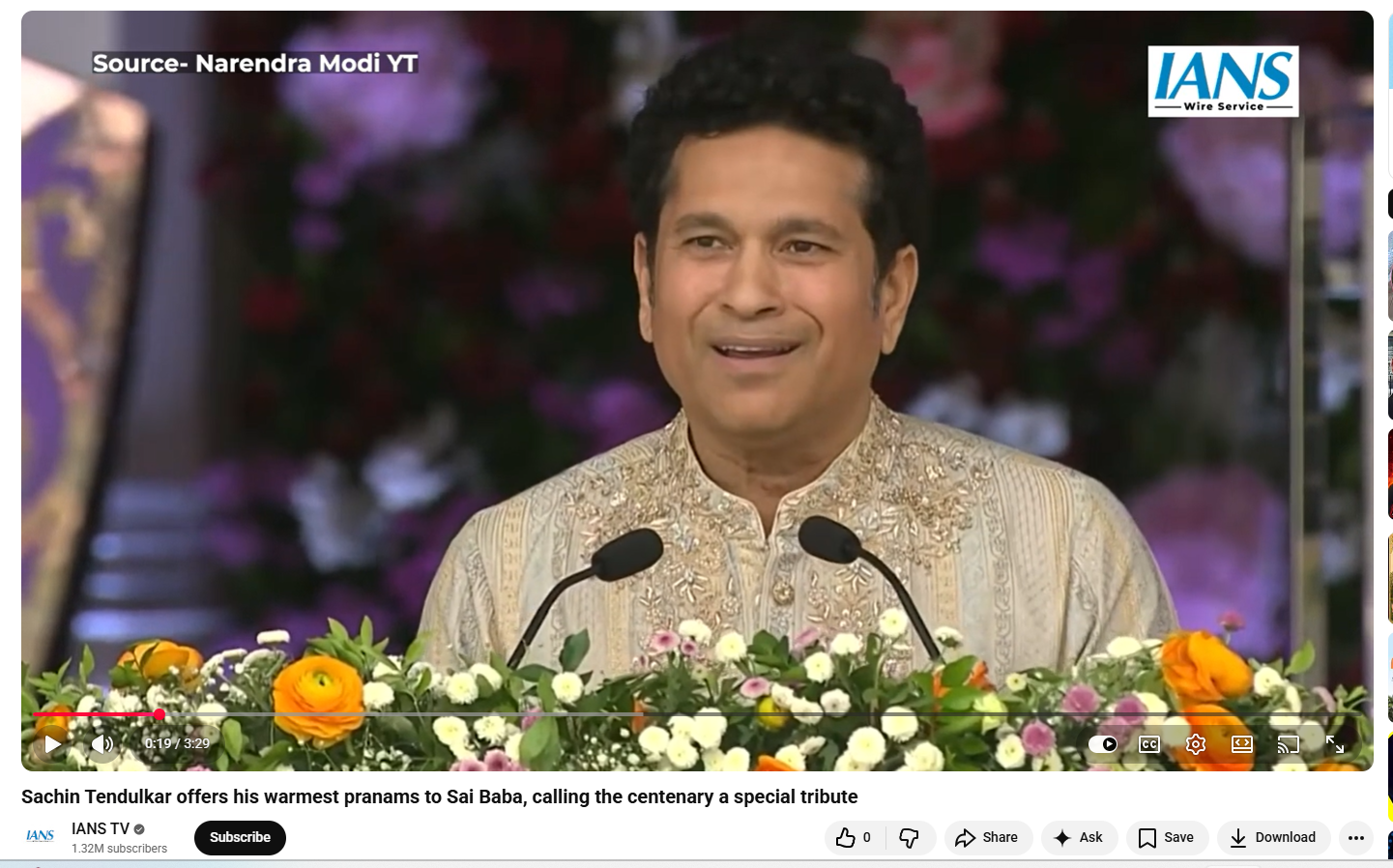
To verify the claim, we searched the internet using relevant keywords but found no credible media reports suggesting that Tendulkar had endorsed any such investment scheme. As part of our research, we extracted key frames from the viral clip and conducted a reverse image search. During the search, we found the original video uploaded on November 19, 2025, on the YouTube channel of IANS. According to the video description, Tendulkar was attending an event organized to mark the centenary year celebrations of Sri Sathya Sai Baba.
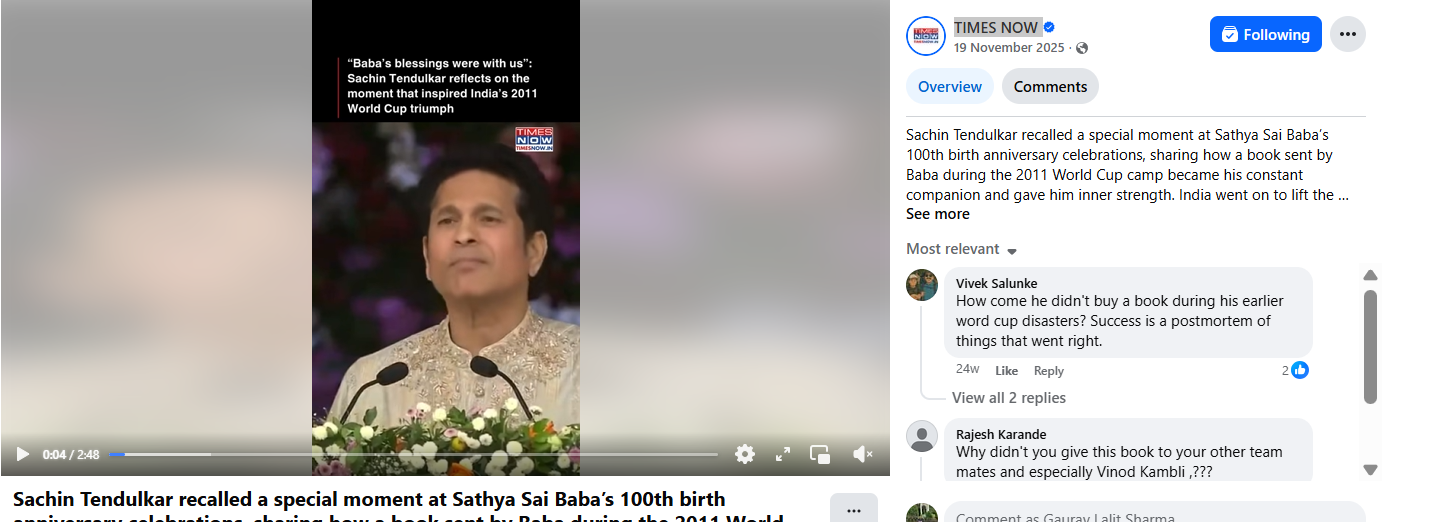
We further found a similar version of the same video uploaded on November 19, 2025, on the official Facebook page of Times Now, confirming that the footage was unrelated to any investment or financial scheme.
Conclusion
Our research found that the viral video has been manipulated using AI-generated audio or editing techniques to falsely portray Sachin Tendulkar promoting an investment scheme. The original video was from a public event related to Sri Sathya Sai Baba’s centenary celebrations and had no connection to any financial investment platform.

Related Blogs

Executive Summary:
A video is circulating on social media claiming to be footage of the aftermath of Iran's missile strikes on Israel. The video shows destruction, damaged infrastructure, and panic among civilian casualties. After our own digital verification, visual inspection, and frame-by-frame inspection, we have determined that the video is fake. The video is just AI-generated clips and not related to any incident.

Claim:
The viral video claims that a recent military strike by Iran resulted in the destruction of parts of Israel, following an initial missile attack launched by Iran. The footage appears current and depicts significant destruction of buildings and widespread chaos in the streets.

FACT CHECK:
We conducted our research on the viral video to determine if it was AI-generated. During the research we broke the video into individual still frames, and upon closely examining the frames, several of the visuals he showed us had odd-shaped visual features, abnormal body proportions, and flickering movements that don't occur in real footage. We took several still frames and checked them in image search sites to see if they had appeared before. The search results revealed that several clips in the video had appeared previously, in separate and unrelated circumstances, which indicates that they are neither recent nor original.

While examining the Instagram profile, we noticed that the account frequently shares visually dramatic AI content that appears digitally created. Many earlier posts from the same page include scenes that are unrealistic, such as wrecked aircraft in desolate areas or buildings collapsing in unnatural ways. In the current video, for instance, the fighter jets shown have multiple wings, which is not technically or aerodynamically possible in real life. The profile’s bio, which reads "Resistance of Artificial Intelligence," suggests that the page intentionally focuses on sharing AI-generated or fictional content.

We also ran the viral post through Tenorshare.AI for Deep-Fake detection, and the result came 94% AI. All findings resulting from our research established that the video is synthetic and unrelated to any event occurring in Israel, and therefore debunked a false narrative propagated on social media.

Conclusion:
Our research found that the video is fake and contains AI-generated images and is not related to any real missile strike or destruction occurring in Israel. The source is specific to fuel the panic and misinformation in a context of already-heightened geopolitical tension. We call on viewers not to share this unverified information and to rely on trusted sources. When there are sensitive international developments, the dissemination of fake imagery can promote fear, confusion, and misinformation on a global scale.
- Claim: Real Footage of Iran’s Missile Strikes on Israel
- Claimed On: Social Media
- Fact Check: False and Misleading
Executive Summary
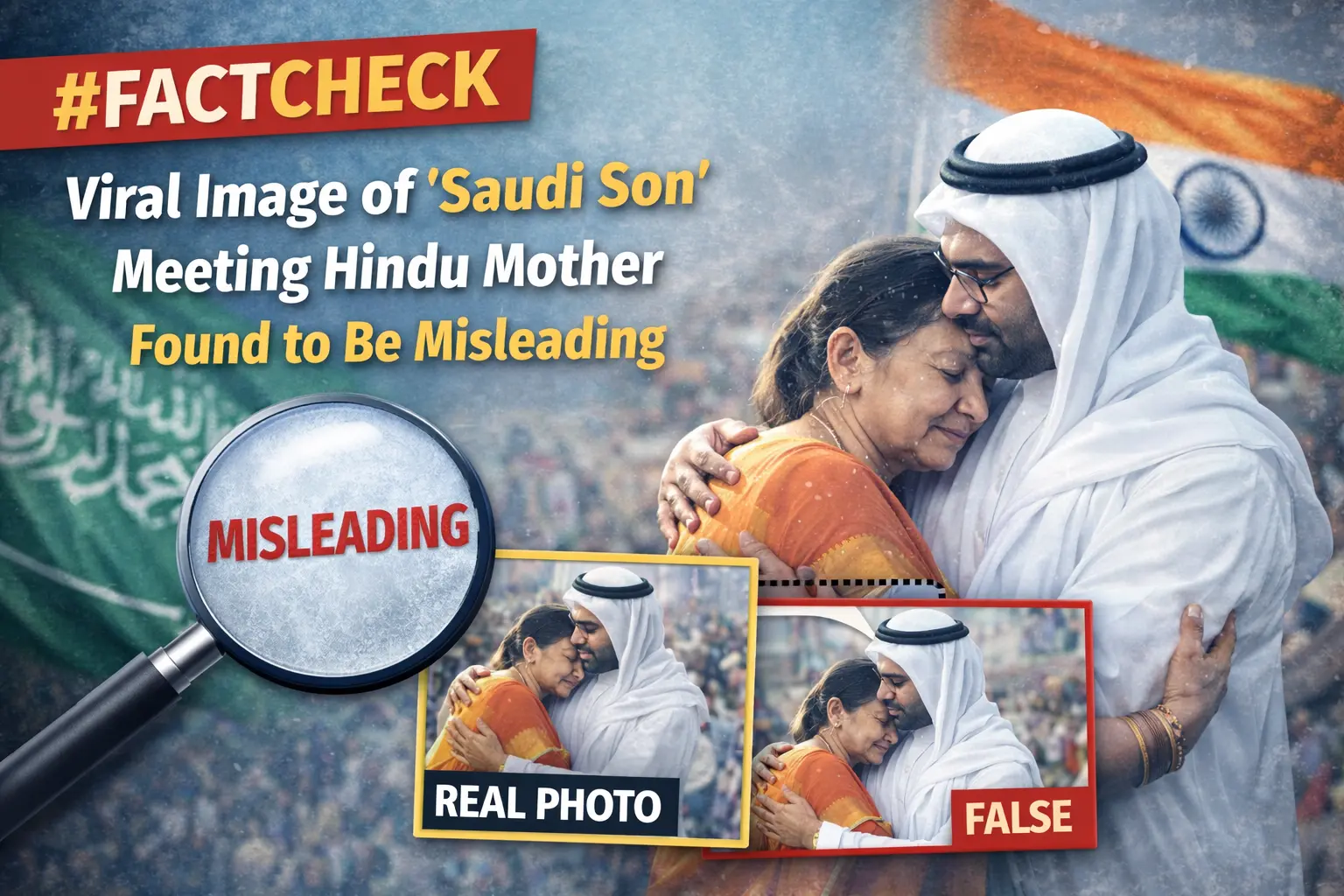
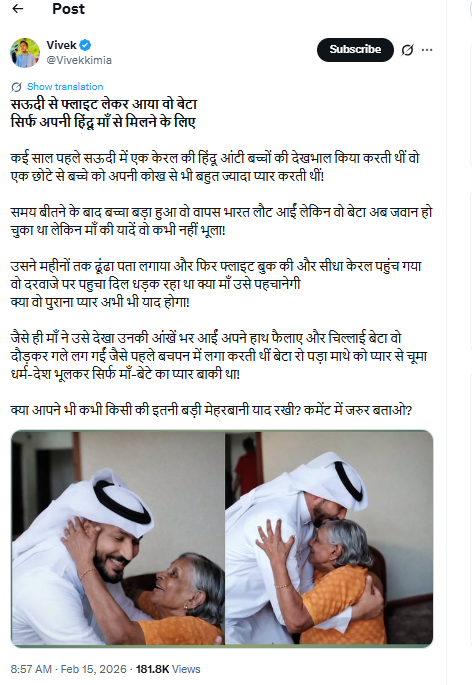
A photo is going viral on social media showing a young man dressed in traditional Arab attire warmly embracing an elderly woman. The post claims that the man flew in from Saudi Arabia to Kerala just to meet his “Hindu mother,” portraying the image as a heartwarming example of communal harmony. However, research by the CyberPeace found that the claim being shared with the image is misleading.
Claim
The viral post narrates an emotional story, alleging that years ago a Hindu woman from Kerala worked in Saudi Arabia caring for children and loved a young boy like her own son. After she returned to India, the boy—now grown up—reportedly searched for her for months, booked a flight, and finally reached Kerala to reunite with her. The post describes an emotional reunion filled with tears, affection, and a bond beyond religion and nationality.
Fact Check
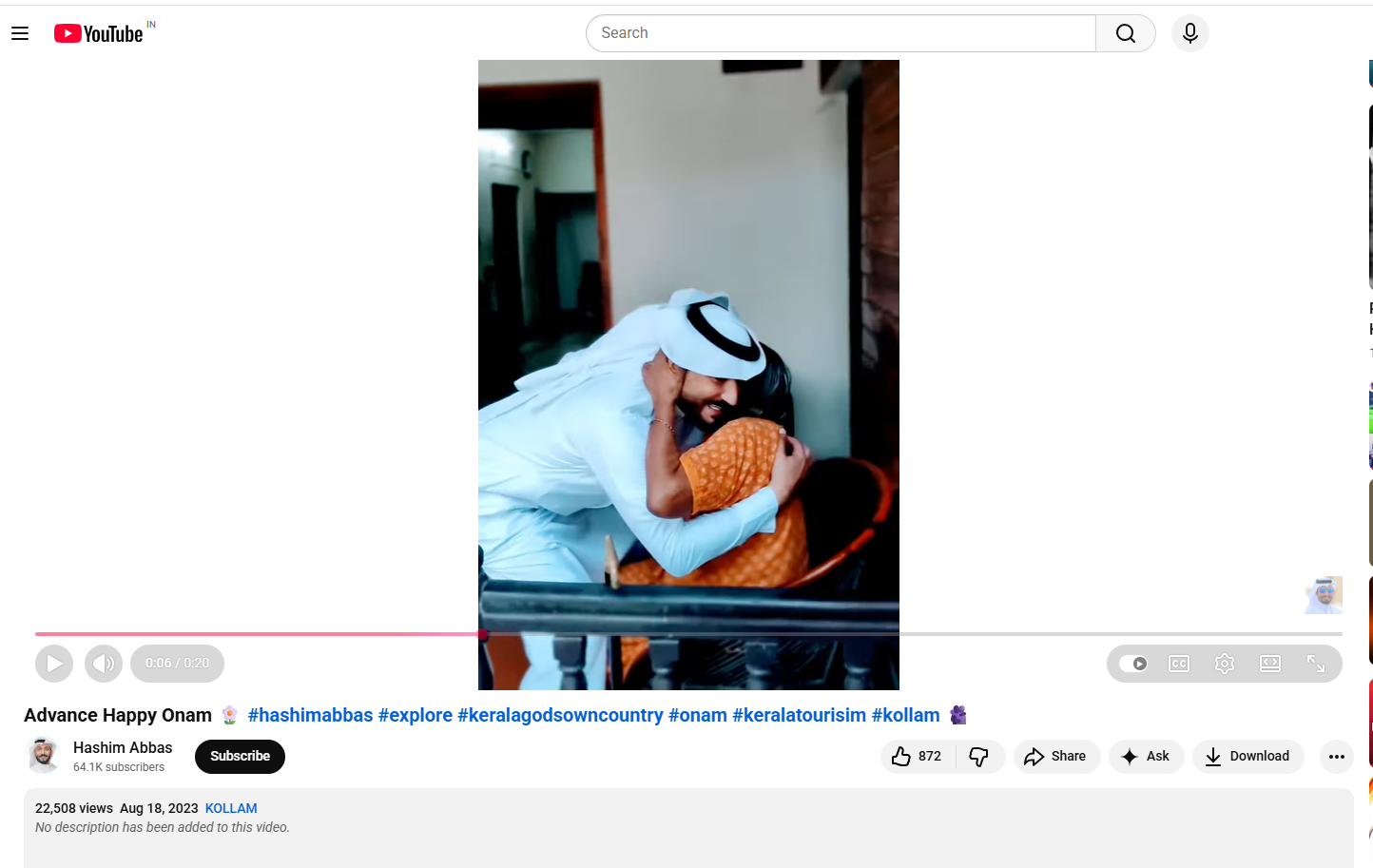
A reverse image search of the viral picture led us to a video uploaded on August 18, 2023, on the YouTube channel of social media influencer Hashim Abbas. In the video, he is seen meeting and hugging the elderly woman while extending Onam greetings.
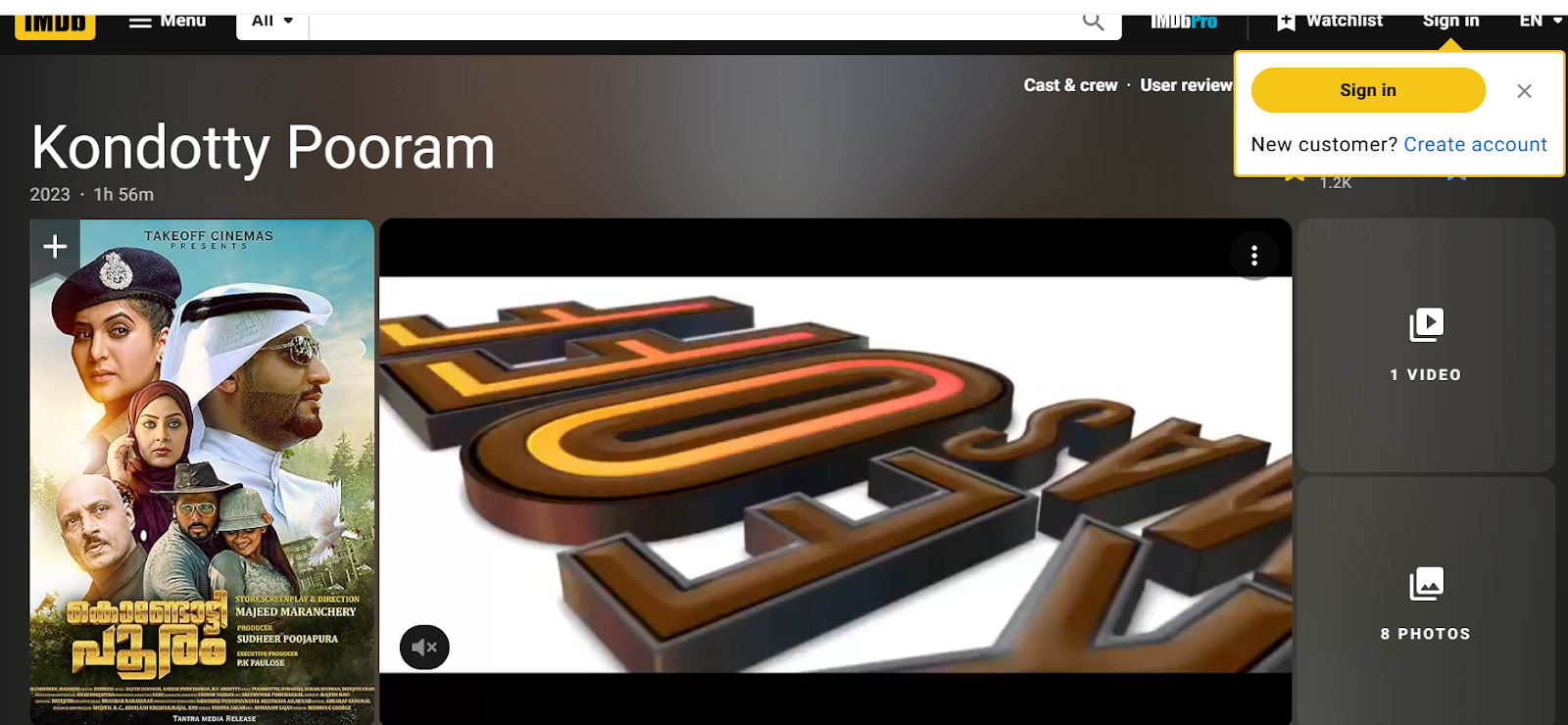
Further examination of Hashim Abbas’ social media accounts revealed several other videos from his Kerala visit. Our research also found that Abbas played a significant role in the Malayalam film Kondotty Pooram.
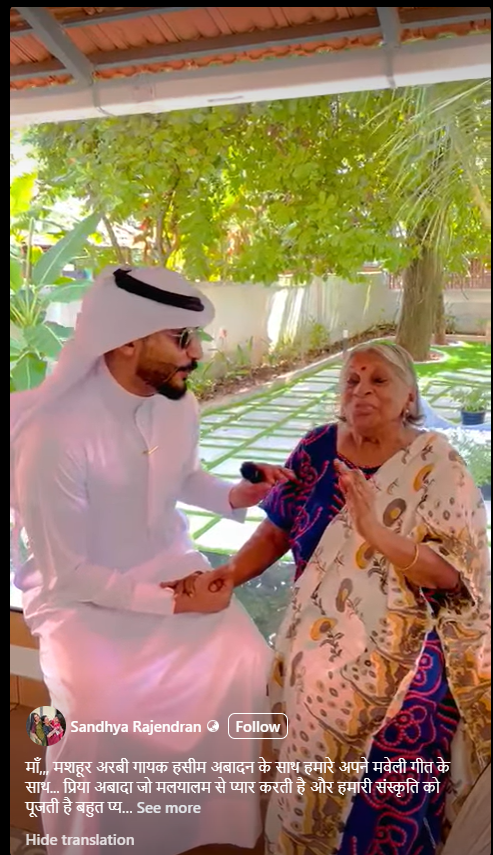
Additionally, we found a video posted on August 13, 2023, by actress and theatre artist Sandhya Rajendran, daughter of veteran Malayalam actress Vijayakumari. The video shows Vijayakumari teaching Onam songs to Hashim Abbas.
Conclusion
The evidence clearly establishes that the viral claim is misleading. The man seen in the image is Hashim Abbas, who was meeting senior Malayalam actress Vijayakumari to extend Onam greetings. The emotional story about a son flying from Saudi Arabia to reunite with his Hindu mother is fictional and not connected to the viral image.

Executive Summary:
The internet is a nest of scams and there's much need to be careful with predatory ideas that prey on the naïve people. Within the recent days, a malicious campaign has emerged falsely alleging 28 day free recharge by courtesy of the Prime Minister Narendra Modi. This blog seeks to analyze the tactics used by this scam in luring the victims and give an overview on how one can identify and keep away from such fraudulent activities.
Claim:
In view of the increasing support for the BJP 2024 election, a rumor has allegedly claimed that the Prime Minister Narendra Modi offering a free recharge with a validity period of up-to twenty eight days at cost of ₹239 to all Indian users. The message encourages the users to click on a given link in order to redeem the free recharge, pointing out that this offer is valid until January 26th of 2024.
The Deceptive Journey:
- Insecure Links:The research begins with a suspicious link (http://offerintro[.]com/BJP2024), without any credibility that honest sites use to protect the user information. We should keep in mind that the links which aren’t secure may easily lead to phishing and other cyber threats.
- Multiple Redirects:When users click the link, they are immediately directed through a series of links. This common tactic used by scammers is designed to hide the true origin of their fraudulent scheme, making it difficult for users' efforts to identify the malicious activity.
- False Promises and Fake Comments:The landing page has a banner of the Prime Minister Narendra Modi that makes it look like this is an official channel and hence authentic. Further, false comments can be also included to compliment the alleged initiative. But remember that genuine government announcements are made through legal channels, not by the shady websites.
- Mobile Number Request:As the next step, the users enter their mobile numbers in the specified field. True initiatives never really need the personal information to pass through unofficial lines. This is actually a trick that scammers use to acquire the important information.
- Share to Activate:Once a user has entered the mobile number, he/she is prompted to share the link with others in order to “activate” promised free recharge. This method is most often used by scammers for spreading their fraudulent message beyond the targeted victim.
- Fake Progress Display:When the users have done their part by sharing the link, a false recharge in progress bar is shown to make them believe that it has started. But the consumers are unwittingly playing a part in the fraud.
- Recharge Completion Pop-up:The last stage of fraud includes a pop-up saying that the recharge is done; leaving users with the false belief that they have benefited from a legitimate government initiative.
What we Analyze :
- It is important to note that at this particular point, there has not been any official declaration or a proper confirmation of an offer made by the Prime Minister or from their government. So, people must be very careful when encountering such messages because they are often employed as lures in phishing attacks or misinformation campaigns. Before engaging or transmitting such claims, it is always advisable to authenticate the information from trustworthy sources in order to protect oneself online and prevent the spread of wrongful information.
- The campaign is hosted on a third party domain instead of any official Government Website, this raised suspicion. Also the domain has been registered in very recent times.

- Domain Name: offerintro[.]com
- Registry Domain ID: 2791466714_DOMAIN_COM-VRSN
- Registrar WHOIS Server: whois.godaddy[.]com
- Registrar URL: https://www.godaddy[.]com
- Registrar: GoDaddy[.]com, LLC
- Registrar IANA ID: 146
- Updated Date: 2023-06-18T20:37:20Z
- Creation Date: 2023-06-18T20:37:20Z
- Registrar Registration Expiration Date: 2024-06-18T20:37:20Z
- Name Server: ANAHI.NS.CLOUDFLARE.COM
- Name Server: GARRETT.NS.CLOUDFLARE.COM
CyberPeace Advisory:
- Stay Informed: Beware of the scams and keep yourself updated through authentic government platforms.
- Verify Website Security: Do not get engaged with any insecure HTTP links but focus on URLs that have secure encryption (HTTPS).
- Protect Personal Information: However, be cautious when sharing personal information – especially in a non-official channel.
- Report Suspicious Activity: If you discover any scams or fraudulent activities, report it and the relevant sites to help avoid others from being defrauded of their hard earned money.
Conclusion:
Summing up, Prime Minister Narendra Modi Free Recharge fraud is an excellent illustration that there is always some danger within cyberspace. The way of the method, from insecure links and also multiple redirects to false promises and really data collection make it clear that internet users should be more careful. The importance of staying up-to-date with what is happening in this new digital world, verifying credibility and also privacy are paramount. By being cautiously aware, the people can keep themselves safe from such fraudulent acts and also play a role in ensuring security even for an online world. Remember that an offer which is in a perfect world should be illegal. Therefore, after doing a thorough research we found this campaign to be fake.
