
#FactCheck -AI-Generated Video Falsely Shows Giorgia Meloni Storming Out After Ending Agreements With Israel
Executive Summary
A video purportedly showing Italian Prime Minister Giorgia Meloni angrily addressing a room full of delegates before throwing a bundle of papers and storming out has gone viral on social media. The clip is being shared alongside claims that Meloni terminated all agreements with Israel following growing tensions over the conflict in the Middle East. However, CyberPeace Research Wing research found that the viral video is not authentic. The clip was generated using Artificial Intelligence (AI).
Claim
On April 24, 2026, an X user shared the viral video with the caption:“Italy's woman Prime Minister has terminated all agreements with Israel!! Italy's woman Prime Minister is far more courageous and fearless than the leaders of 56 Islamic nations.”
- https://x.com/middle_East_up/status/2047597154257297878?s=20
- https://perma.cc/4EM9-5GS4

Fact Check
To verify the claim, we examined official records related to agreements between Italy and Israel. Data available from the Italian Ministry of Foreign Affairs and International Cooperation shows that multiple bilateral agreements between the two countries remain in force in 2026.
- https://atrio.esteri.it/Home/Search
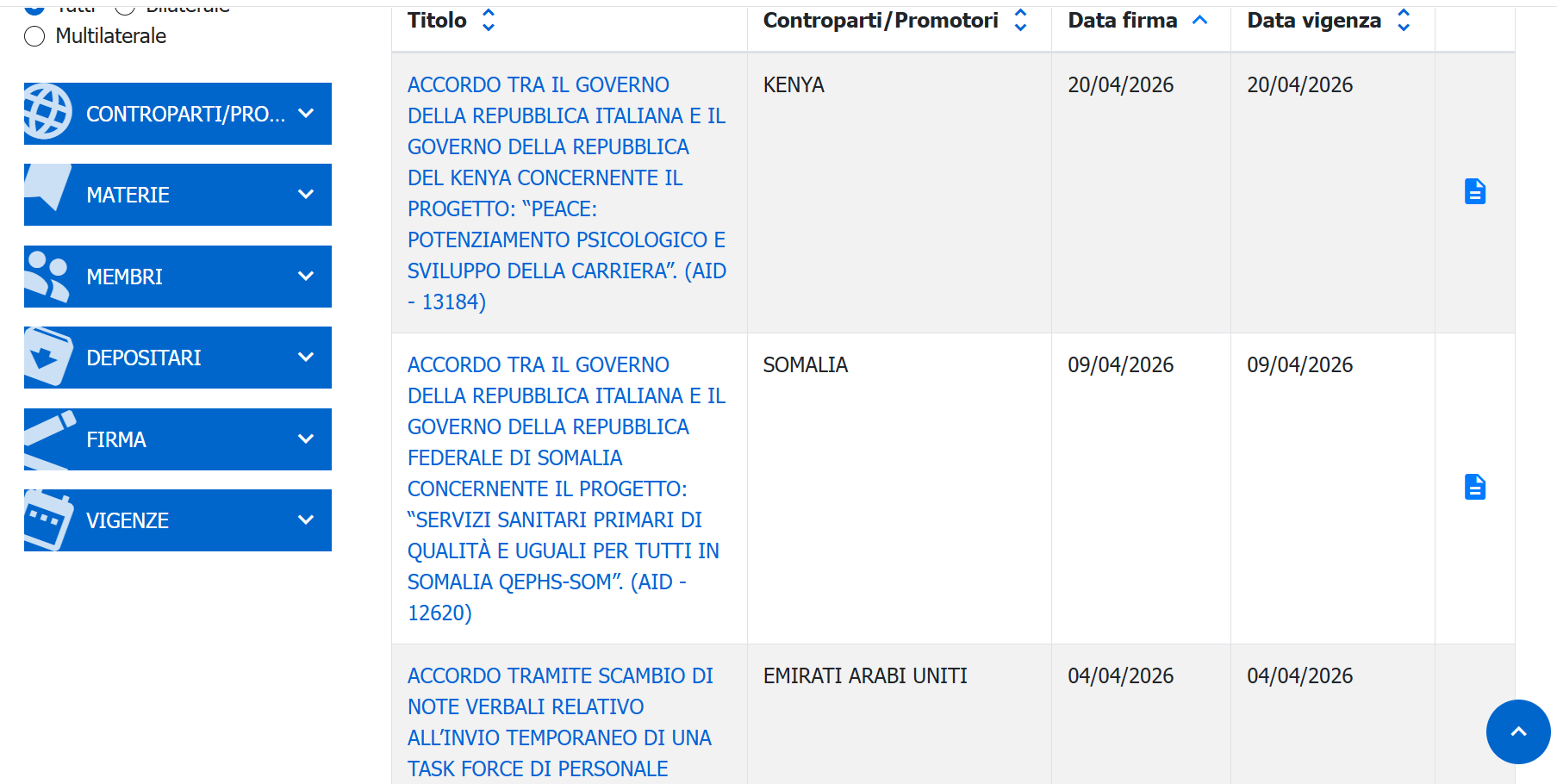
Further research found reports related to discussions within the European Union regarding the suspension of certain cooperation arrangements with Israel. During a meeting of EU foreign ministers in Luxembourg, Spain and Ireland renewed calls to review the EU-Israel Association Agreement. However, Italian Foreign Minister Antonio Tajani reportedly stated that no decision would be taken that day. A closer examination of the viral clip revealed several visual inconsistencies commonly associated with AI-generated content, including unnatural facial movements, irregular body gestures, and unrealistic scene transitions.
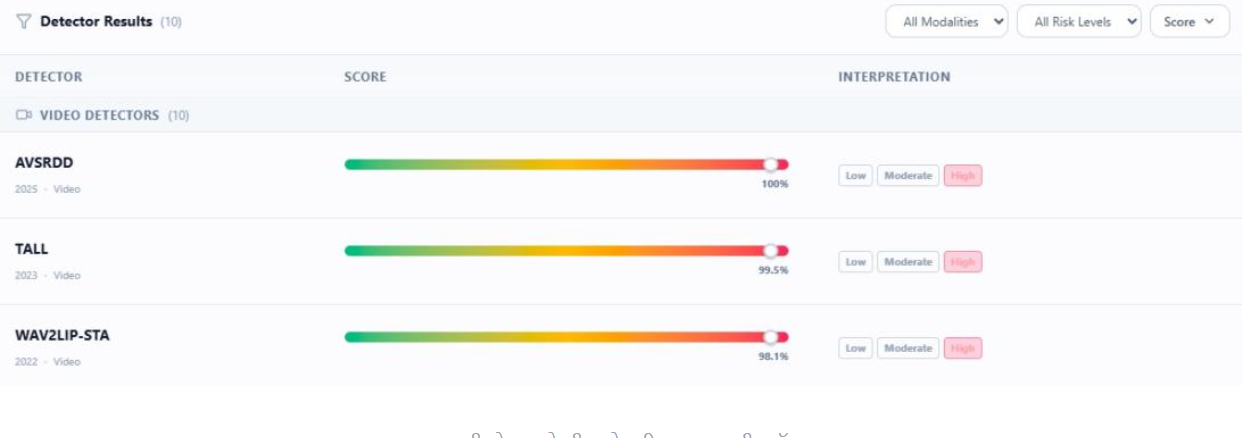
To further verify the footage, we analysed it using the DeepFake-o-Meter tool. Results from three separate detection models indicated that the video was likely generated using artificial intelligence.
Conclusion
CyberPeace Research Wing research found that the viral video allegedly showing Italian Prime Minister Giorgia Meloni angrily terminating agreements with Israel is AI-generated. There is no evidence that the incident shown in the clip actually occurred.

Related Blogs

Introduction
युद्धे सूर्यास्ते युध्यन्तः समाप्तयन्ति, In ancient times, after the day’s battle had ended and the sun had set, warriors would lay down their arms and rest, allowing their minds and bodies to recover before facing the next challenge, and giving warriors time to rest and prepare mentally and physically for the next day. Today, as we remain endlessly connected to work through screens and notifications, the Right to Disconnect bill seeks to restore that same rhythm of rest and renewal in the digital age. By giving individuals the space to disconnect, it aims to restores balance, protects psychological health, and acknowledges that human resilience is not limitless, even in a world dominated by technology.
The Right to Disconnect Bill, 2025, was recently introduced in the lower house of Parliament during the winter session, which began on 1st December 2025, as a private member’s bill by Ms. Supriya Sule, Lok Sabha MP.
Understanding the Psychology Behind the Proposed Right to disconnect Bill
The purpose of this law is based on neuroscience for humans. When workers are always in a state of being "always on", the situation of their bodies gets to the chronic stress response state where they are getting overwhelmed with cortisol, which is the main human stress hormone. The constant vigilance that the body and mind are under forces the nervous system into always being in a state of sympathetic activation, while depriving it of the restorative (parasympathetic) states that are necessary for genuine recovery. Neuroscience studies show that 96% of heavy users of technology suffer from anxiety and lack of sleep due to technology. This phenomenon is known medically as "bytemares." The brain tries to attend to several things at once, and this way its cognitive capacity becomes thinner, so there is a reduction in focus, productivity is decreased, and the stress level is increased considerably.
Increasingly, the mental suffering that people get through is not only the physical and psychological aspects of it. The digital fatigue generated by the "always-on culture" getting chronic takes its toll on the emotional capacity of the staff, interrupts their sleep cycles (particularly depriving them of REM sleep), and leads to lower melatonin secretion.
Employees in such environments have a 23% increased chance of suffering from burnout, which the World Health Organisation defines as an occupational syndrome consisting of emotional exhaustion, depersonalization, and downgrading of performance. Mental health is the silent destruction that goes on without anyone noticing; the individuals who are affected show productive performance while their neuroendocrine systems are dying little by little.
Hence, the intent of the Indian legislature is clear, which is to prioritize the human dimension, allowing employees, the warriors of the digital age, to pause and recover, fostering work‑life balance without compromising commitment or productivity, and reflecting a thoughtful, humane approach in the modern technology driven world.
The proposed Right to Disconnect Bill takes position as a law that can greatly help with the mental health of employees and therefore keep them healthy. The bill allows employees to legally disconnect from electronic communication related to their jobs outside of the working hours set by the employer; this way, it recognises more or less that the human brain was never meant to be always connected.
The Need for Digital Detox from a Scientific Perspective
Digital detoxification is the process through which the brain resets its dopamine receptors, hence stopping the process of instant gratification that is constantly reinforced through notifications. The employees who cut off their connection can focus better, remain emotionally stable, and lead healthier lives, the effect of which is measurable. Not only on single persons, but also the World Health Organisation, through its studies, has declared that mental health interventions in workplaces can yield a return of 4:1 on investment through increased productivity and decline in absenteeism.
Digital Detox: Structured Disconnection, Not Digital Rejection
One of the most important aspects of the proposed bill is the acknowledgment of digital detox as a supportive tool. However, it is very important to note that digital detox does not mean completely cutting off technology. It is the rule-based disengagement that brings back cognitive balance. Measures like limiting notifications after work hours, protecting weekends and holidays from routine communication and creating offline time zones facilitate the brain's resetting process. Psychological studies associate such practices with better concentration, emotional control, sleep quality and finally productivity in the long run. The initiative of having digital detox centres and offering counselling services is an indication that the issue of overexposure is not just a matter of personal lack of discipline, but rather a problem of modern working designs.
Positioning Mental Well-Being as Core
The fundamental aspect of the bill is based on the constitutional assurance provided by Article 21 (Constitution of India), the Right to Life and personal Liberty, which has been interpreted by the courts to cover health of mind and body as well as time for leisure. This law reform grants a right to not be available at work, which means that employers will not be able to require constant availability at work without suffering legal consequences. The Right to Disconnect Bill finally illustrates society's unanimity that, amidst our digital age, mental well-being protection is no more a nice-to-have it is a must-have. The bill permits the guarding of the recovery periods, and at the same time, it recognises that the productivity that is sustainable comes from employees who are rested and mentally healthy, not from the constantly depleted workforce in the digital chains.
The psychological Rationale
Psychological analysis indicates that this always-on condition impacts productivity in measurable ways. The human brain may get overloaded to distinguish between important and unimportant information due to the uninterrupted flow of alerts and communications. The whole process leads to a situation, continuous exposure to alerts diminishes the ability to notice the really important events thus allowing the critical ones to go unnoticed. Burnout results as a natural consequence. Research shows that the psychological state resulting from digital overstimulation is anxiety, sleep problems, tiredness, and inability to focus.
Work Culture in the Cybersecurity Realm and Analysis of the Right to Disconnect
Although every sector today demands high productivity and significant commitment from its workforce, the Cybersecurity professionals, IT engineers, SOC analysts, incident responders, cyberseucrity researchers, cyber lawyers and digital operations teams are often engage in 24x7 loop because they deal with uniquely critical responsibilities, if ignored or delayed, can compromise sensitive systems, data integrity, and national security.
It is notable that the flow of activities has been silently but significantly changing the paradigm. Availability has replaced accountability, and often responsiveness is regarded as performance. The “on duty” and “off duty” line blurs when a client escalation or a suspected breach alert calls the phone at midnight. This way, an unspoken rule develops that the worker has to be reachable irrespective of the time as being reachable has become part of the job.
In India, the 48-hour work week that is already among the world's most demanding has been made even more intense by digital connectivity. The work intensity of remote and hybrid models has further crossed spatial and temporal boundaries producing a psychologically endless workday. Hence, the cyber workforce lives in a constant state of low-grade alertness, i.e., never fully sleeping, never fully offline. For professionals working in cyber security, this issue of wellbeing is not just a personal issue but also a business issue. Mental fatigue may lead to poor decision making, slower response time in case of incidents, and more errors being made unintentionally by people.
Hence comes the relevance of the proposed Right to Disconnect bill, Implementing it in the cybersecurity realm may require employers to plan for additional task forces so that productivity remains unaffected, while ensuring that employees receive the rest and balance they need. This approach not only protects mental well‑being but also creates opportunities for new roles, distributes workloads fairly, and strengthens the overall resilience and efficiency of the organization.
Legislature Intent - The Right to Disconnect as a preventive control
In this scenario, the Right to Disconnect Bill, 2025, which was presented in the Lok Sabha as a private member's bill, can be seen as a precautionary measure in the digital risk ecosystem instead of merely as a employee welfare initiative. It intends to create legally enforceable lines of demarcation between the demands of a job and one's personal life. The bill provisions, like the right not to answer work calls and texts after office hours, protection from being fired, pay for overtime, and agreed-upon emergency protocols, are all tools to set new norms rather than to impose restrictions on the output.
This can be seen as security logic that has been established in the cyber governance sphere. Even the best systems require planned downtimes for patching, upgrading, and recovery. Humans cannot be treated differently. Loss of operation without recovery will only increase the likelihood of failure. The Right to Disconnect works as a human-layer security, which reduces the risk of incidents caused by fatigue and burnout among employees.
The Legislative Recognition of Human Needs
The Right to Disconnect Bill is a landmark change of thinking, moving from the perception of disconnection as unprofessional to the acknowledgement of it as a basic requirement for human dignity and health. The Indian legislation, which was passed through a private member's bill, clearly defines the limits of professional and personal time. By providing the employees with the legal right to disconnect, the bill affirms what psychological science has been telling us for a long time: people need real breaks to be at their best.
Conclusion
The Proposed Right to Disconnect Bill, 2025, is a progressive move in law, which, among others confirms that a digital world, constant connectivity may undermines both individual health and company/orgnisation’s buisness continuity. A balanced approach is essential, with clearly agreed-upon emergency norms to guide situations where employees may need to work extra hours in a reasonable and lawful manner. It recognises that people are the backbone of the digital ecosystem and need time off to work effectively and securely. In a connected economy, protecting mental bandwidth is as crucial as protecting technical networks, making the Right to Disconnect a key element of sustainable resilience.
From a cybersecurity perspective, no secure digital future can emerge from exhausted minds. A strong digital and cyber‑India will have laws like the Right to Disconnect Bill, signaling a shift in policy thinking. This law moves the burden from individuals having to adapt to always-on technologies onto systems, organisations, and governance structures to respect human limits. By recognising mental well-being as an essential factor of employee’s wellbeing, the bill reinforces that resilient work ecosystems depend not only on robust infrastructure and controls but also on well-rested, focused, and secure individuals.
References
- https://www.shankariasparliament.com/blogs/pdf/right-to-disconnect-bill-2025
- https://ijlr.iledu.in/wp-content/uploads/2025/04/V5I653.pdf
- https://timesofindia.indiatimes.com/education/news/no-calls-and-emails-after-office-hours-right-to-disconnect-bill-introduced-in-lok-sabha-to-set-workplace-boundaries/articleshow/125806984.cms
- https://www.hindustantimes.com/india-news/what-is-right-to-disconnect-bill-introduced-in-lok-sabha-and-can-it-clear-parliament-101765025582585.html
.webp)
Introduction
The rise of misinformation, disinformation, and synthetic media content on the internet and social media platforms has raised serious concerns, emphasizing the need for responsible use of social media to maintain information accuracy and combat misinformation incidents. With online misinformation rampant all over the world, the World Economic Forum's 2024 Global Risk Report, notably ranks India amongst the highest in terms of risk of mis/disinformation.
The widespread online misinformation on social media platforms necessitates a joint effort between tech/social media platforms and the government to counter such incidents. The Indian government is actively seeking to collaborate with tech/social media platforms to foster a safe and trustworthy digital environment and to also ensure compliance with intermediary rules and regulations. The Ministry of Information and Broadcasting has used ‘extraordinary powers’ to block certain YouTube channels, X (Twitter) & Facebook accounts, allegedly used to spread harmful misinformation. The government has issued advisories regulating deepfake and misinformation, and social media platforms initiated efforts to implement algorithmic and technical improvements to counter misinformation and secure the information landscape.
Efforts by the Government and Social Media Platforms to Combat Misinformation
- Advisory regulating AI, deepfake and misinformation
The Ministry of Electronics and Information Technology (MeitY) issued a modified advisory on 15th March 2024, in suppression of the advisory issued on 1st March 2024. The latest advisory specifies that the platforms should inform all users about the consequences of dealing with unlawful information on platforms, including disabling access, removing non-compliant information, suspension or termination of access or usage rights of the user to their user account and imposing punishment under applicable law. The advisory necessitates identifying synthetically created content across various formats, and instructs platforms to employ labels, unique identifiers, or metadata to ensure transparency.
- Rules related to content regulation
The Information Technology (Intermediary Guidelines and Digital Media Ethics Code) Rules, 2021 (Updated as on 6.4.2023) have been enacted under the IT Act, 2000. These rules assign specific obligations on intermediaries as to what kind of information is to be hosted, displayed, uploaded, published, transmitted, stored or shared. The rules also specify provisions to establish a grievance redressal mechanism by platforms and remove unlawful content within stipulated time frames.
- Counteracting misinformation during Indian elections 2024
To counter misinformation during the Indian elections the government and social media platforms made their best efforts to ensure the electoral integrity was saved from any threat of mis/disinformation. The Election Commission of India (ECI) further launched the 'Myth vs Reality Register' to combat misinformation and to ensure the integrity of the electoral process during the general elections in 2024. The ECI collaborated with Google to empower the citizenry by making it easy to find critical voting information on Google Search and YouTube. In this way, Google has supported the 2024 Indian General Election by providing high-quality information to voters and helping people navigate AI-generated content. Google connected voters to helpful information through product features that show data from trusted institutions across its portfolio. YouTube showcased election information panels, featuring content from authoritative sources.
- YouTube and X (Twitter) new ‘Notes Feature’
- Notes Feature on YouTube: YouTube is testing an experimental feature that allows users to add notes to provide relevant, timely, and easy-to-understand context for videos. This initiative builds on previous products that display helpful information alongside videos, such as information panels and disclosure requirements when content is altered or synthetic. YouTube clarified that the pilot will be available on mobiles in the U.S. and in the English language, to start with. During this test phase, viewers, participants, and creators are invited to give feedback on the quality of the notes.
- Community Notes feature on X: Community Notes on X aims to enhance the understanding of potentially misleading posts by allowing users to add context to them. Contributors can leave notes on any post, and if enough people rate the note as helpful, it will be publicly displayed. The algorithm is open source and publicly available on GitHub, allowing anyone to audit, analyze, or suggest improvements. However, Community Notes do not represent X's viewpoint and cannot be edited or modified by their teams. A post with a Community Note will not be labelled, removed, or addressed by X unless it violates the X Rules, Terms of Service, or Privacy Policy. Failure to abide by these rules can result in removal from accessing Community Notes and/or other remediations. Users can report notes that do not comply with the rules by selecting the menu on a note and selecting ‘Report’ or using the provided form.
CyberPeace Policy Recommendations
Countering widespread online misinformation on social media platforms requires a multipronged approach that involves joint efforts from different stakeholders. Platforms should invest in state-of-the-art algorithms and technology to detect and flag suspected misleading information. They should also establish trustworthy fact-checking protocols and collaborate with expert fact-checking groups. Campaigns, seminars, and other educational materials must be encouraged by the government to increase public awareness and digital literacy about the mis/disinformation risks and impacts. Netizens should be empowered with the necessary skills and ability to discern fact and misleading information to successfully browse true information in the digital information age. The joint efforts by Government authorities, tech companies, and expert cyber security organisations are vital in promoting a secure and honest online information landscape and countering the spread of mis/disinformation. Platforms must encourage netizens/users to foster appropriate online conduct while using platforms and abiding by the terms & conditions and community guidelines of the platforms. Encouraging a culture of truth and integrity on the internet, honouring differing points of view, and confirming facts all help to create a more reliable and information-resilient environment.
References:
- https://www.meity.gov.in/writereaddata/files/Advisory%2015March%202024.pdf
- https://blog.google/intl/en-in/company-news/outreach-initiatives/supporting-the-2024-indian-general-election/
- https://blog.youtube/news-and-events/new-ways-to-offer-viewers-more-context/
- https://help.x.com/en/using-x/community-notes

Introduction
The Telecommunications Act of 2023 was passed by Parliament in December, receiving the President's assent and being published in the official Gazette on December 24, 2023. The act is divided into 11 chapters 62 sections and 3 schedules. Sections 1, 2, 10-30, 42-44, 46, 47, 50-58, 61 and 62 already took effect on June 26, 2024.
On July 04, 2024, the Centre issued a Gazetted Notification and sections 6-8, 48 and 59(b) were notified to be effective from July 05, 2024. The Act aims to amend and consolidate the laws related to telecommunication services, telecommunication networks, and spectrum assignment and it ‘repeals’ certain older colonial-era legislations like the Indian Telegraph Act 1885 and Indian Wireless Telegraph Act 1933. Due to the advancements in technology in the telecom sector, the new law is enacted.
On 18 July 2024 Thursday, the telecom minister while launching the theme of Indian Mobile Congress (IMC), announced that all rules and provisions of the new Telecom Act would be notified within the next 180 days, hence making the Act operational at full capacity.
Important definitions under Telecommunications Act, 2023
- Authorisation: Section 2(d) entails “authorisation” means a permission, by whatever name called, granted under this Act for— (i) providing telecommunication services; (ii) establishing, operating, maintaining or expanding telecommunication networks; or (iii) possessing radio equipment.
- Telecommunication: Section 2(p) entails “Telecommunication” means transmission, emission or reception of any messages, by wire, radio, optical or other electro-magnetic systems, whether or not such messages have been subjected to rearrangement, computation or other processes by any means in the course of their transmission, emission or reception.
- Telecommunication Network: Section 2(s) entails “telecommunication network” means a system or series of systems of telecommunication equipment or infrastructure, including terrestrial or satellite networks or submarine networks, or a combination of such networks, used or intended to be used for providing telecommunication services, but does not include such telecommunication equipment as notified by the Central Government.
- Telecommunication Service: Section 2(t) entails “telecommunication service” means any service for telecommunication.
Measures for Cyber Security for the Telecommunication Network/Services
Section 22 of the Telecommunication Act, 2023 talks about the protection of telecommunication networks and telecommunication services. The section specifies that the centre may provide rules to ensure the cybersecurity of telecommunication networks and telecommunication services. Such measures may include the collection, analysis and dissemination of traffic data that is generated, transmitted, received or stored in telecommunication networks. ‘Traffic data’ can include any data generated, transmitted, received, or stored in telecommunication networks – such as type, duration, or time of a telecommunication.
Section 22 further empowers the central government to declare any telecommunication network, or part thereof, as Critical Telecommunication Infrastructure. It may further provide for standards, security practices, upgradation requirements and procedures to be implemented for such Critical Telecommunication Infrastructure.
CyberPeace Policy Wing Outlook:
The Telecommunication Act, 2023 marks a significant change & growth in the telecom sector by providing a robust regulatory framework, encouraging research and development, promoting infrastructure development, and measures for consumer protection. The Central Government is empowered to authorize individuals for (a) providing telecommunication services, (b) establishing, operating, maintaining, or expanding telecommunication networks, or (c) possessing radio equipment. Section 48 of the act provides no person shall possess or use any equipment that blocks telecommunication unless permitted by the Central Government.
The Central Government will protect users by implementing different measures, such as the requirement of prior consent of users for receiving particular messages, keeping a 'Do Not Disturb' register to stop unwanted messages, the mechanism to enable users to report any malware or specified messages received, the preparation and maintenance of “Do Not Disturb” register, to ensure that users do not receive specified messages or class of specified messages without prior consent. The authorized entity providing telecommunication services will also be required to create an online platform for users for their grievances pertaining to telecommunication services.
In certain limited circumstances such as national security measures, disaster management and public safety, the act contains provisions empowering the Government to take temporary possession of telecom services or networks from authorised entity; direct interception or disclosure of messages, with measures to be specified in rulemaking. This entails that the government gains additional controls in case of emergencies to ensure security and public order. However, this has to be balanced with appropriate measures protecting individual privacy rights and avoiding any unintended arbitrary actions.
Taking into account the cyber security in the telecommunication sector, the government is empowered under the act to introduce standards for cyber security for telecommunication services and telecommunication networks; and encryption and data processing in telecommunication.
The act also promotes the research and development and pilot projects under Digital Bharat Nidhi. The act also promotes the approach of digital by design by bringing online dispute resolution and other frameworks. Overall the approach of the government is noteworthy as they realise the need for updating the colonial era legislation considering the importance of technological advancements and keeping pace with the digital and technical revolution in the telecommunication sector.
References:
- The Telecommunications Act, 2023 https://acrobat.adobe.com/id/urn:aaid:sc:AP:88cb04ff-2cce-4663-ad41-88aafc81a416
- https://pib.gov.in/PressReleasePage.aspx?PRID=2031057
- https://pib.gov.in/PressReleaseIframePage.aspx?PRID=2027941
- https://economictimes.indiatimes.com/industry/telecom/telecom-news/new-telecom-act-will-be-notified-in-180-days-bsnl-4g-rollout-is-monitored-on-a-daily-basis-scindia/articleshow/111851845.cms?from=mdr
- https://www.azbpartners.com/wp-content/uploads/2024/06/Update-Staggered-Enforcement-of-Telecommunications-Act-2023.pdf
- https://telecom.economictimes.indiatimes.com/blog/analysing-the-impact-of-telecommunications-act-2023-on-digital-india-mission/111828226
