
#FactCheck-9/11 Footage Falsely Shared as Iran’s Attack on Israel
Executive Summary
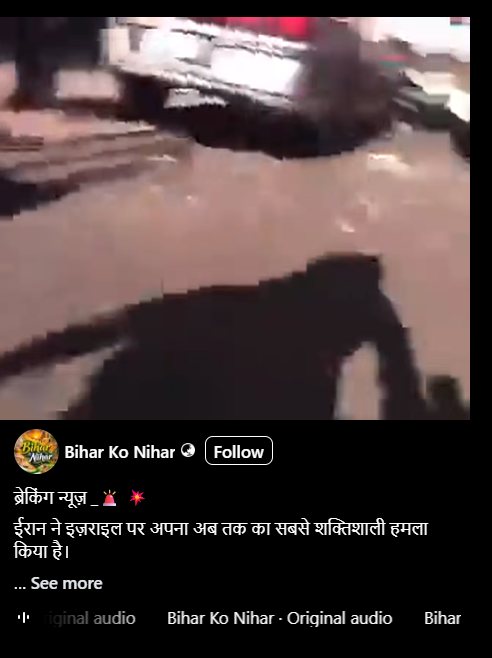
A video showing people running amid smoke and chaos during an attack is being widely shared on social media with the claim that it depicts an Iranian strike on Israel. The clip, around 29 seconds long, shows thick black smoke rising as people flee the scene, with voices heard calling for help. However, research by the CyberPeace found that the claim is misleading. The video is actually from the September 2001 attacks on the World Trade Center in the United States.
Claim:
The video has been shared on Facebook with a caption claiming, “Iran has launched its most powerful attack on Israel. Thousands of soldiers have reportedly been killed. Massive protests have erupted within the country, and Israel appears completely helpless.”
Fact Check:
To verify the claim, we conducted a reverse image search using keyframes from the viral video. This led us to a longer version of the same footage uploaded on YouTube on September 11, 2016.
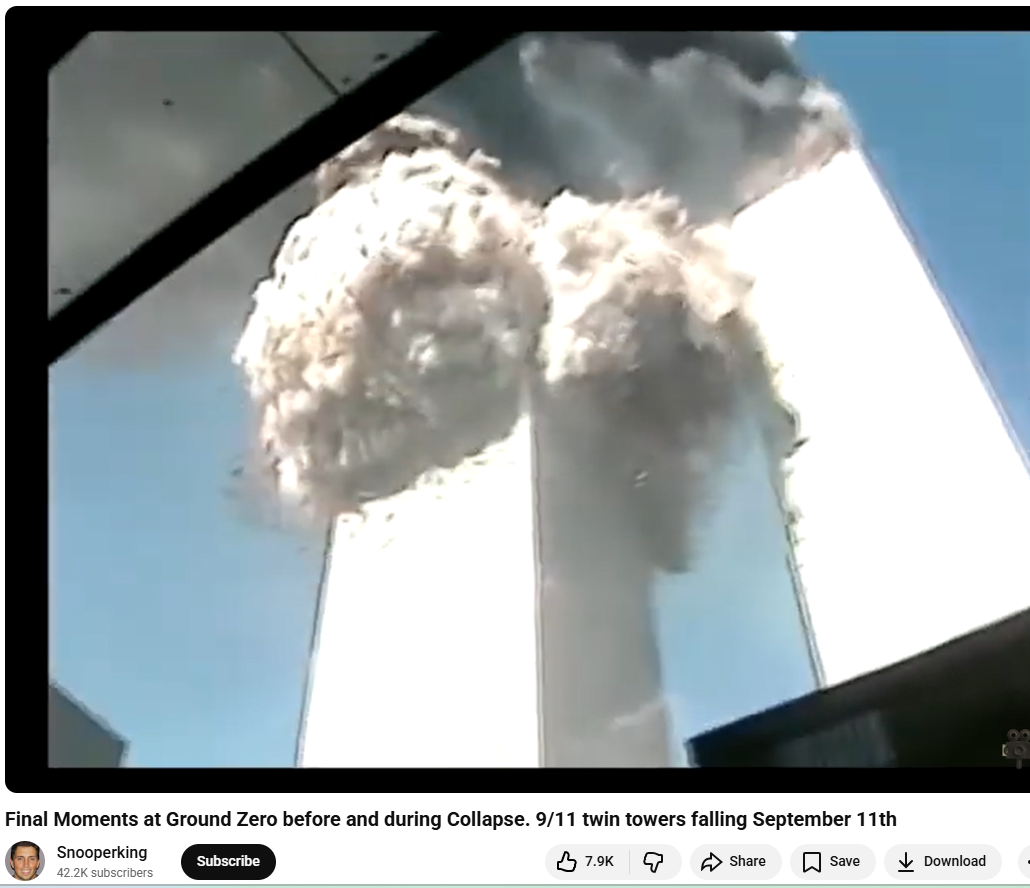
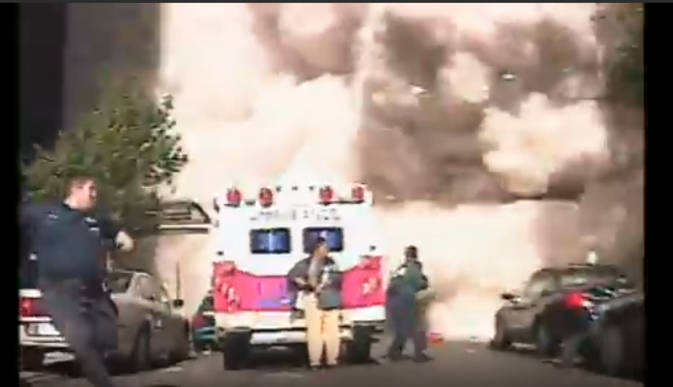
The relevant portion appears around the 2-minute 9-second mark. The video description identifies the footage as part of the September 2001 attacks on the World Trade Center in New York. Further, we found the same video in an archive folder on a website associated with the US Department of Commerce, which contains multiple images and videos related to the 9/11 attacks. This further confirms the origin of the footage.
Conclusion:
The viral claim is false. The video does not show an Iranian attack on Israel. It is from September 2001 and depicts the aftermath of the World Trade Center attacks in New York, USA.

Related Blogs
.webp)
Introduction
India's broadcasting sector has undergone significant changes in recent years with technological advancements such as the introduction of new platforms like Direct-to-Home (DTH), Internet Protocol television (IPTV), Over-The-Top (OTT), and integrated models. Platform changes, emerging technologies and advancements in the advertising space have all necessitated the need for new governing laws that take these developments into account.
The Union Government and concerned ministry have realised there is a pressing need to develop a robust regulatory framework for the Indian broadcasting sector in the country and consequently, a draft Broadcasting Services (Regulation) Bill, 2023, was released in November 2023 and the Union Ministry of Information and Broadcasting (MIB) had invited feedback and comments from different stakeholders. The draft Bill aims to establish a unified framework for regulating broadcasting services in the country, replacing the current Cable Television Networks (Regulation) Act, 1995 and other policy guidelines governing broadcasting.
Recently a new draft of an updated ‘Broadcasting Services (Regulation) Bill, 2024,’ was shared with selected broadcasters, associations, streaming services, and tech firms, each marked with their identifier to prevent leaks.
Key Highlights of the Updated Broadcasting Bill
As per the recent draft of the Broadcasting Services (Regulation) Bill, 2024, social media accounts could be identified as ‘Digital News Broadcasters’ and can be classified within the ambit of the regulation. Some of the major aspects of the new bill were first reported by Hindustan Times.
The new draft of the Broadcasting Services (Regulation) Bill, 2024, proposes that individuals who regularly upload videos to social media, make podcasts, or write about current affairs online could be classified as Digital News Broadcasters. This entails that YouTubers and Instagrammers who receive a share of advertising revenue or monetize their social media presence through affiliate activities will be regulated as Digital News Broadcasters. This includes channels, podcasts, and blogs that cover news and utilise Google AdSense. They must comply with a Programme Code and Advertising Code.
Online content creators who do not provide news or current affairs but provide programming and curated programs beyond a certain threshold will be treated as OTT broadcasters in case they provide content licensed or live through a website or social media platform.
The new version also introduces new obligations for intermediaries and social media intermediaries related to streaming services and digital news broadcasters, and, in contrast to the last version circulated in 2023, the latest also carries provisions targeting online advertising. In the context of streaming services, OTT broadcasting services are no longer a part of the definition of "internet broadcasting services." The definition of OTT broadcasting service has also been revised, allowing content creators who regularly upload their content to social media to be considered as OTT broadcasting services.
The new definition of an 'intermediary' includes social media intermediaries, advertisement intermediaries, internet service providers, online search engines, and online marketplaces.
The new Bill allows the government to prescribe different due diligence guidelines for social media platforms and online advertisement intermediaries and requires all intermediaries to provide appropriate information, including information pertaining to the OTT broadcasters and Digital News Broadcasters on their platform, to the central government to ensure compliance with the act. This entails the liability provisions for social media intermediaries which do not provide information “pertaining to OTT Broadcasters and Digital News Broadcasters” on its platforms for compliance. This suggests that when information is sought about a YouTube, Instagram or X/Twitter user, the platform will need to provide this information to the Indian government.
A new draft bill contains specific provisions governing ‘Online Advertising’ and to do so it creates the category of 'advertising intermediaries'. These intermediaries enable the buying or selling of advertisement space on the internet or placing advertisements on online platforms without endorsing the advertisement.
Final Words
The Indian Ministry of Information and Broadcasting (MIB) is making efforts to propose robust regulatory changes to the country's new-age broadcast sector, which would cover the specific provisions for Digital News Broadcasters, OTT Broadcasters and Intermediaries. The proposed bill defining the scope and obligation of each.
However, these changes will have significant implications for press and creative freedom. The changes in the new version of the updated bill from its previous draft expanded the applicability of the bill to a larger number of key actors, this move brought ‘content creators’ under the definition of OTT or digital news broadcasters, which raises concerns about overly rigid provisions and might face criticism from media representative perspectives.
According to recent media reports, the Broadcasting Services (Regulation) Bill, 2024 version has been withdrawn by the I&B ministry facing criticism from relevant stakeholders.
The ministry must take due consideration and feedback from concerned stakeholders and place reliance on balancing individual rights while promoting a healthy regulated landscape considering the needs of the new-age broadcasting sector.
References:
- https://www.medianama.com/2024/07/223-india-broadcast-bill-online-creators/#:~:text=Online%20content%20creators%20that%20do,or%20a%20social%20media%20platform.
- https://www.hindustantimes.com/india-news/new-draft-of-broadcasting-bill-news-influencers-may-be-classified-as-broadcasters-101721961764666.html
- https://www.hindustantimes.com/india-news/broadcasting-bill-still-in-drafting-stage-mib-tells-rs-101722058753083.html
- https://www.newslaundry.com/2024/07/29/indias-new-broadcast-bill-now-has-compliance-requirements-for-youtubers-and-instagrammers
- https://m.thewire.in/article/media/social-media-videos-text-digital-news-broadcasting-bill
- https://mib.gov.in/sites/default/files/Public%20Notice_07.12.2023.pdf
- https://news.abplive.com/news/india/centre-withdraws-draft-of-broadcasting-services-regulation-bill-1709770

Executive Summary
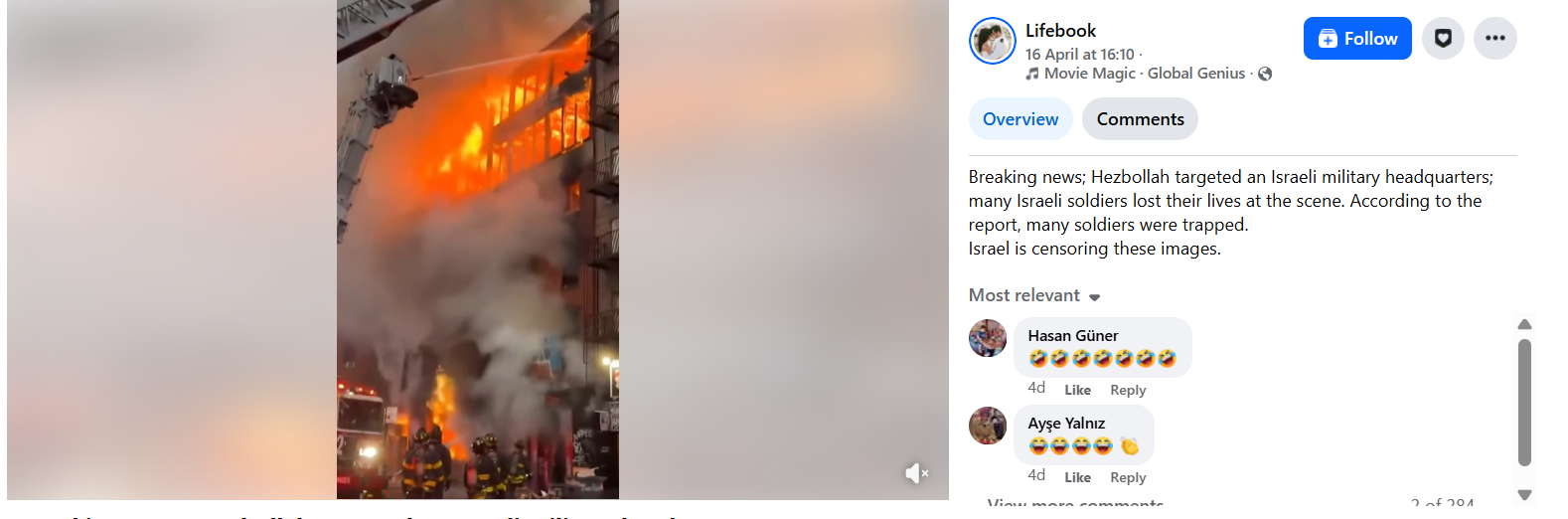
Despite a truce announced in mid-April, sporadic violence has continued between Israel and the Iran-backed Hezbollah in Lebanon. Meanwhile, a video circulating widely on social media shows a multi-storey building engulfed in flames, with users falsely linking it to the ongoing conflict. Posts sharing the clip claim it depicts a Hezbollah strike on an Israeli military headquarters, alleging that several soldiers were killed and that Israel is censoring visuals from the incident. However, research by the CyberPeace Research Wing found the claim to be misleading. The video is unrelated to the Israel-Hezbollah conflict. Verification shows that the footage actually captures a fire at an apartment building in New York City. Firefighters can be seen at the scene attempting to control the blaze.
Claim
A Facebook post shared on April 16, 2026, read: “Breaking news; Hezbollah targeted an Israeli military headquarters; many Israeli soldiers lost their lives at the scene… Israel is censoring these images.” The video has garnered more than 240,000 views.
- https://perma.cc/BQ6X-4LAT
- https://www.facebook.com/watch/?v=1283830349750737
Fact Check
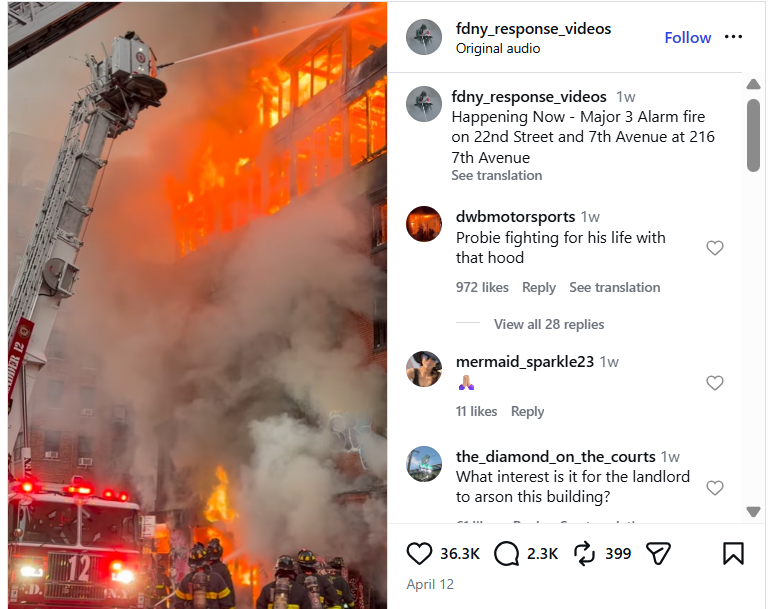
A reverse image search using keyframes from the viral clip led to a higher-quality version posted on April 12, 2026, by an Instagram account titled “FDNY response video.” The caption stated: “Happening now — Major 3 alarm fire on 22nd Street and 7th Avenue at 216 7th Avenue.”
- https://www.instagram.com/p/DXB0ePqjgGD/
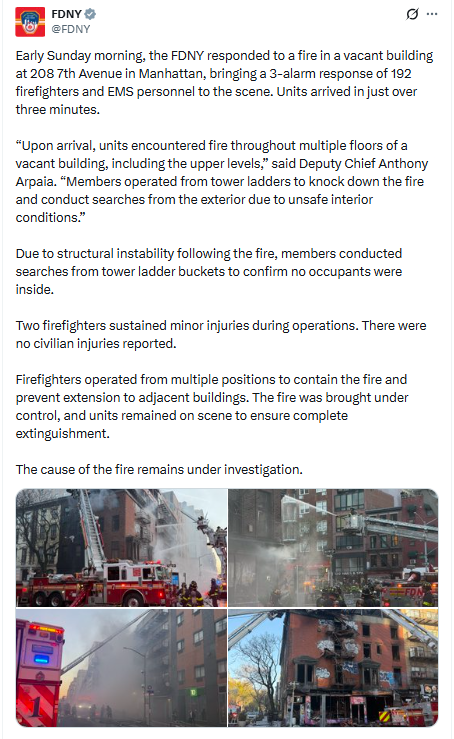
Further verification found that images of the same incident were shared on April 13, 2026, by the official X account of the New York City Fire Department. According to the post, no civilians were injured in the fire, although two firefighters sustained minor injuries while battling the blaze.
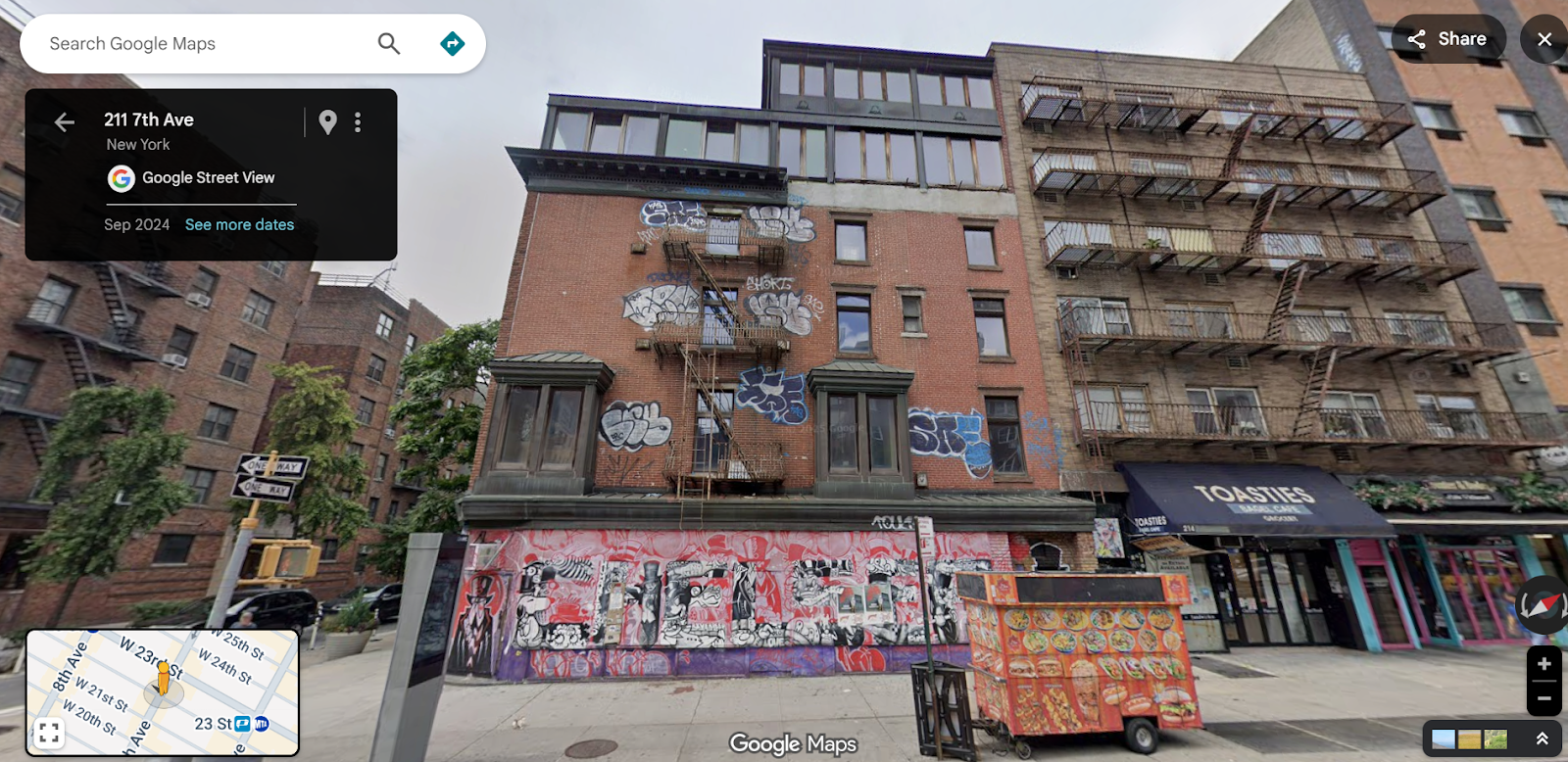
Using the location details mentioned in the posts, visible structures in the video were matched with Google Maps street imagery, confirming that the footage was indeed filmed in New York City.
Conclusion
The research establishes that the viral video is being shared with a false claim. It does not show any attack on an Israeli military facility but rather a residential building fire in New York City.

Executive Summary:
A photographer breaking down in tears in a viral photo is not connected to the Ram Mandir opening. Social media users are sharing a collage of images of the recently dedicated Lord Ram idol at the Ayodhya Ram Mandir, along with a claimed shot of the photographer crying at the sight of the deity. A Facebook post that posts this video says, "Even the cameraman couldn't stop his emotions." The CyberPeace Research team found that the event happened during the AFC Asian Cup football match in 2019. During a match between Iraq and Qatar, an Iraqi photographer started crying since Iraq had lost and was out of the competition.
Claims:
The photographer in the widely shared images broke down in tears at seeing the icon of Lord Ram during the Ayodhya Ram Mandir's consecration. The Collage was also shared by many users in other Social Media like X, Reddit, Facebook. An Facebook user shared and the Caption of the Post reads,


Fact Check:
CyberPeace Research team reverse image searched the Photographer, and it landed to several memes from where the picture was taken, from there we landed to a Pinterest Post where it reads, “An Iraqi photographer as his team is knocked out of the Asian Cup of Nations”

Taking an indication from this we did some keyword search and tried to find the actual news behind this Image. We landed at the official Asian Cup X (formerly Twitter) handle where the image was shared 5 years ago on 24 Jan, 2019. The Post reads, “Passionate. Emotional moment for an Iraqi photographer during the Round of 16 clash against ! #AsianCup2019”

We are now confirmed about the News and the origin of this image. To be noted that while we were investigating the Fact Check we also found several other Misinformation news with the Same photographer image and different Post Captions which was all a Misinformation like this one.
Conclusion:
The recent Viral Image of the Photographer claiming to be associated with Ram Mandir Opening is Misleading, the Image of the Photographer was a 5 years old image where the Iraqi Photographer was seen Crying during the Asian Cup Football Competition but not of recent Ram Mandir Opening. Netizens are advised not to believe and share such misinformation posts around Social Media.
- Claim: A person in the widely shared images broke down in tears at seeing the icon of Lord Ram during the Ayodhya Ram Mandir's consecration.
- Claimed on: Facebook, X, Reddit
- Fact Check: Fake
