
#FactCheck: Scripted Video Shared as Assault on Bhelpuri Vendor at Patna Railway Station
Executive Summary
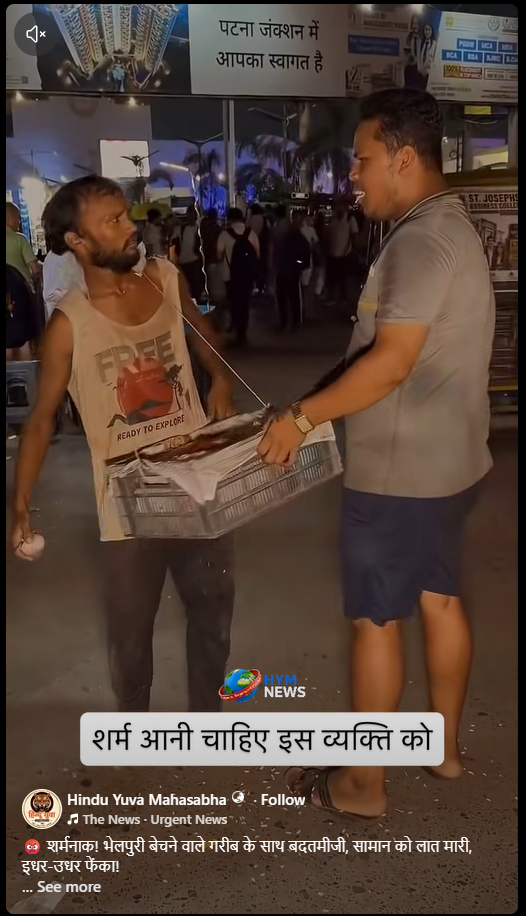
A disturbing video showing a man assaulting a bhelpuri vendor is being widely shared on social media. In the video, a man approaches the bhelpuri vendor, eats bhelpuri from his basket, spits on him and appears to assault him. Social media users are sharing the video claiming that it is from Patna and are demanding action against the man seen behaving indecently. CyberPeace Research Wing’s Research found that the video is scripted. It is being shared on social media with a misleading claim.
Claim:
A social media user shared the viral video with the caption: “A video has surfaced showing the alleged mistreatment of a young man selling bhelpuri at Patna Junction railway station. It is alleged that some people misbehaved with the vendor after eating bhelpuri and put bhelpuri into his mouth. Why should a poor, hardworking person be treated this way? The Bihar government and the concerned railway authorities should investigate the video and take appropriate action. Samrat Choudhary ji, please also look into this incident reported at Patna railway station.”
https://www.facebook.com/reel/29198229276436585
Fact Check
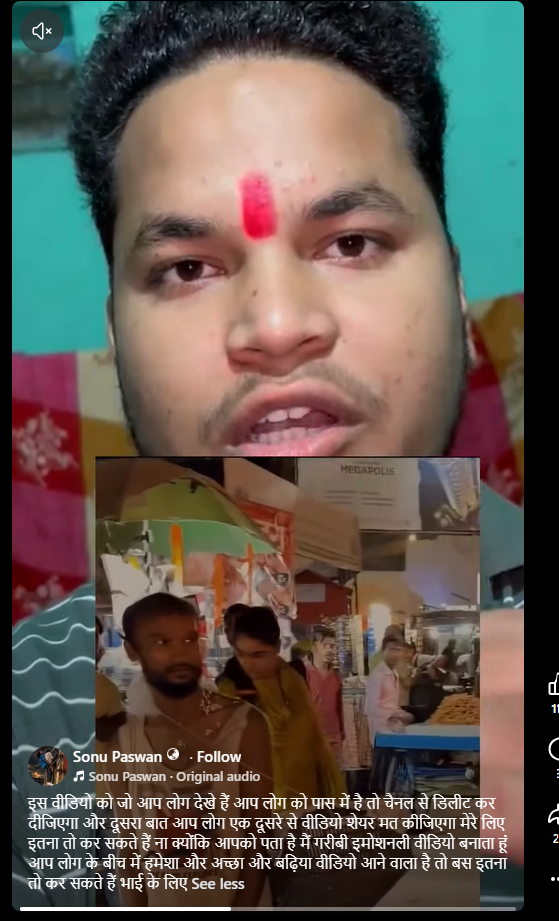
To verify the truth behind the video being shared with the claim that a bhelpuri vendor was assaulted, we conducted a reverse image search of its keyframes. During the search, we found a video uploaded on September 18 on the Facebook account of a user identified as Sonu Paswan. The person seen assaulting the vendor in the viral clip can also be seen in this video. In the video, he explains that the viral clip was scripted and was recorded solely for entertainment purposes. He appeals to people not to take the video seriously or share it further. He also says that after the video went viral, he had to delete several videos, due to which much of his effort went to waste.
https://www.facebook.com/reel/2161698368111775
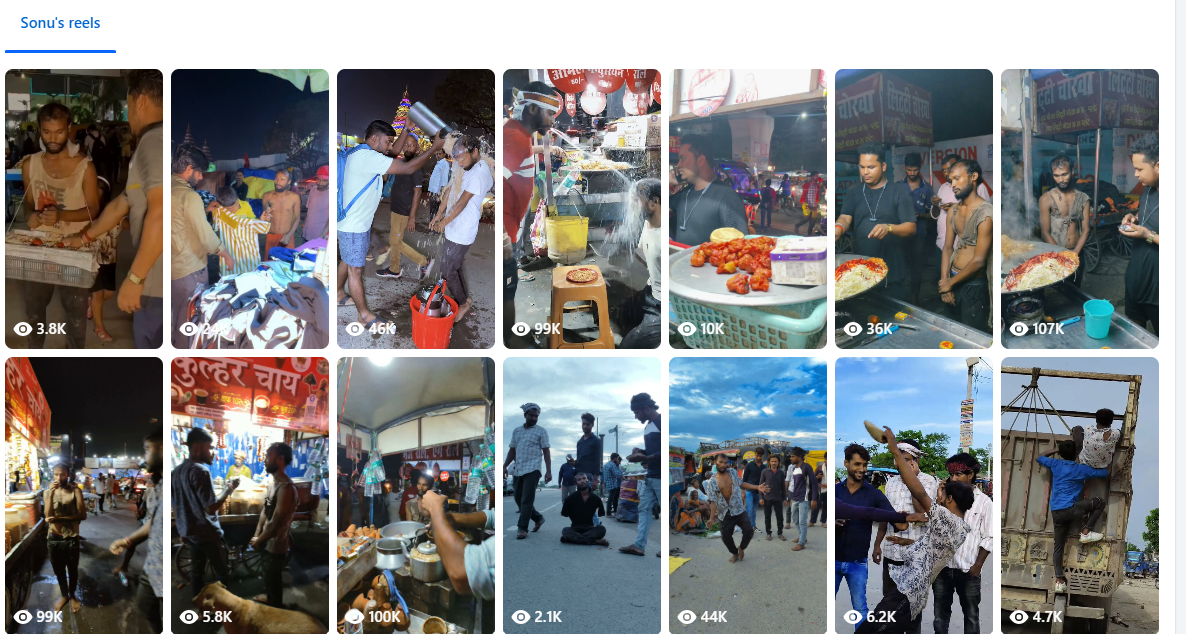
Additionally, upon examining Sonu Paswan’s Facebook account, we found several other videos in which the same two men seen in the viral video can be seen acting together in different situations.
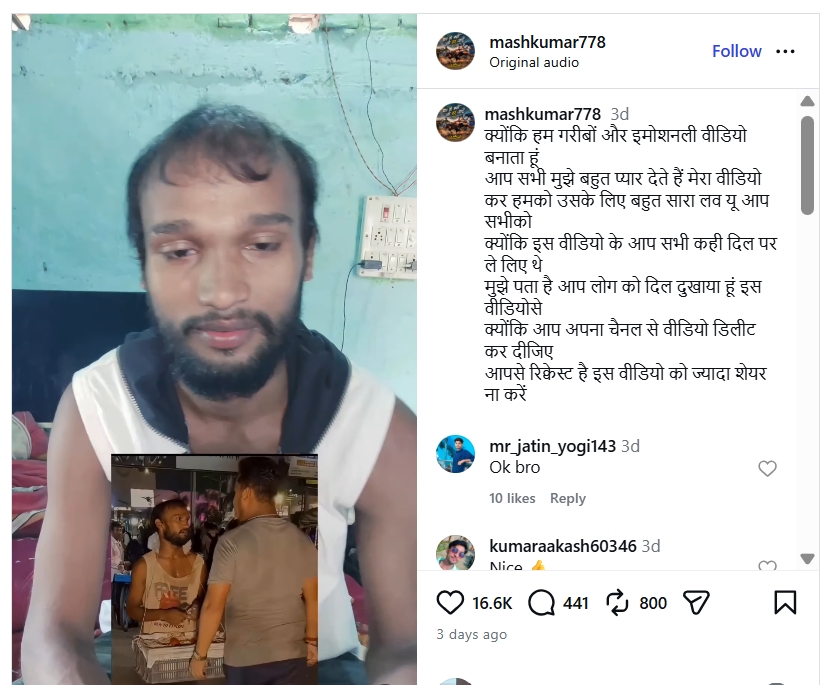
Additionally, we found a video uploaded on Sonu Paswan’s Instagram account on September 18. In the video, he explains that the person selling bhelpuri/bhujia in the viral clip is Sonu Kumar, while the person seen assaulting him is a member of their team. Sonu Kumar says in the video that they work together to create videos on poverty and emotional issues. He also appeals to people to watch the viral clip as entertainment and not share it further. This makes it clear that the viral video is scripted.
https://www.instagram.com/p/Dda41TdzMxO/
Conclusion
Our Research found that the video being shared with the claim that a bhelpuri vendor was assaulted and mistreated at Patna railway station is scripted.

Related Blogs
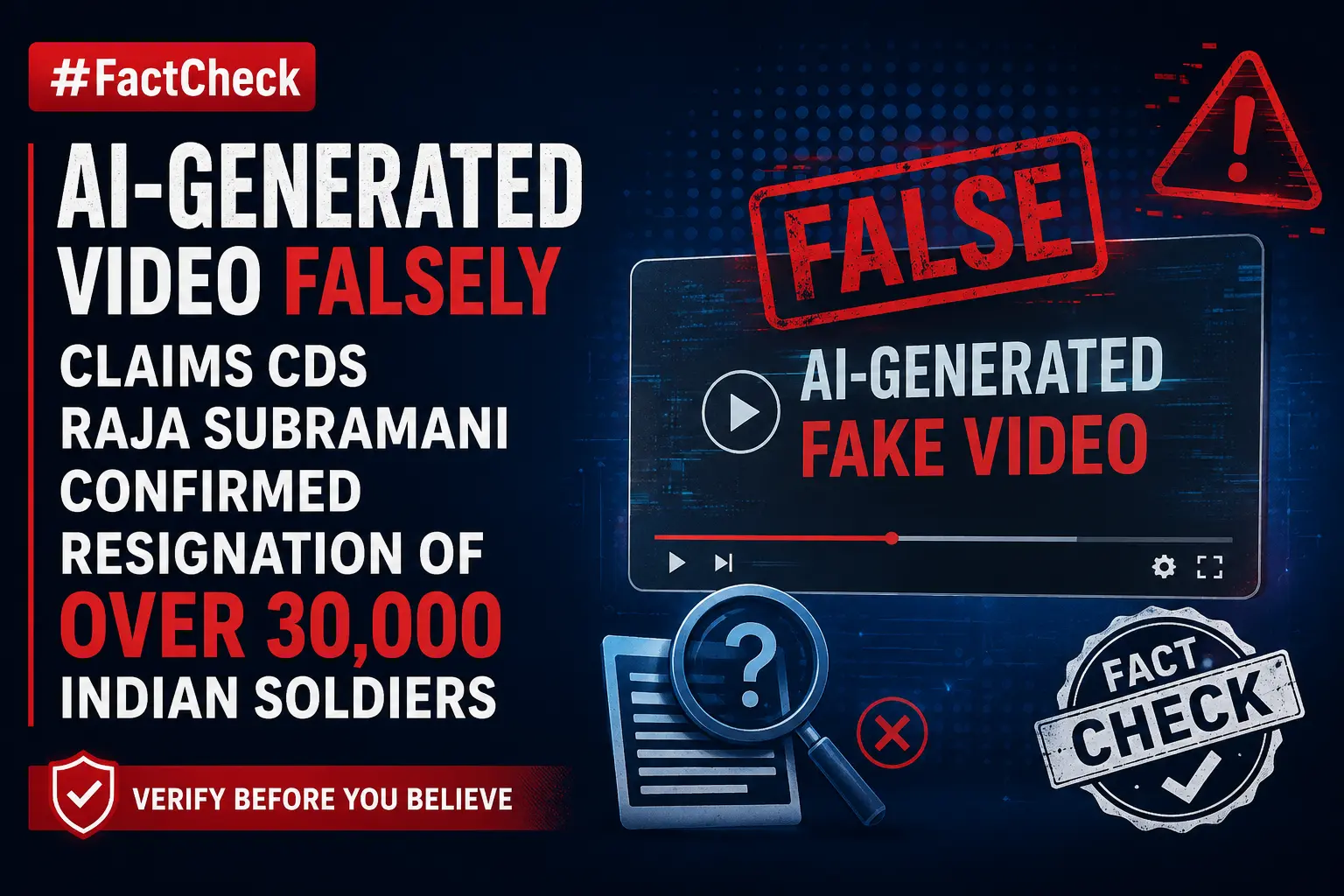
Executive Summary
A video is being widely shared on social media, allegedly showing Chief of Defence Staff (CDS) Raja Subramani referring to the resignation of more than 30,000 Indian soldiers. The video is being circulated with the claim that CDS Raja Subramani confirmed that over 30,000 personnel resigned in protest following the demonstration held at Jantar Mantar. CyberPeace Research Wing’s research found that the viral claim is false. The research revealed that the video featuring CDS Raja Subramani has been digitally manipulated and created using Artificial Intelligence (AI). The original video does not contain any statement related to soldiers’ resignations or the Jantar Mantar protest.
Claim
A Facebook user shared the video with a claim stating: “After the protests at Jantar Mantar, India’s Chief of Defence Staff Raja Subramani has issued an emergency alert, saying that more than 30,000 soldiers have resigned in protest because their children were brutally beaten at Jantar Mantar.”
The post link, archive link and screenshot are provided below:

Fact Check
To verify the authenticity of the viral video, we extracted a key frame and conducted a reverse image search using Google Lens. During the search, we found the same video uploaded by the Eastern Command of the Indian Army (@easterncomd) on its official X account on July 21, 2026. The original video shows CDS Raja Subramani extending his best wishes to all participating teams of the 135th Indian Oil Durand Cup Football Tournament. There is no mention of any soldier resignations or the Jantar Mantar protest in the original footage.
https://x.com/easterncomd/status/2079485496988967225
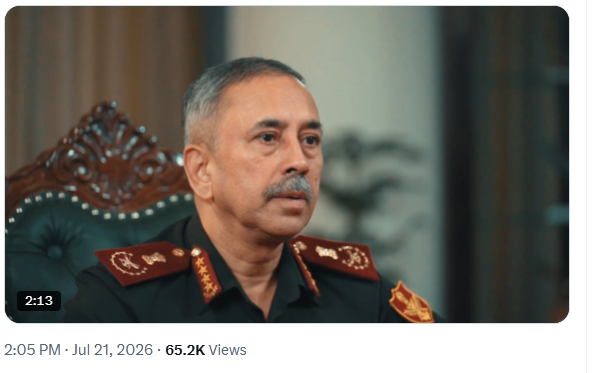
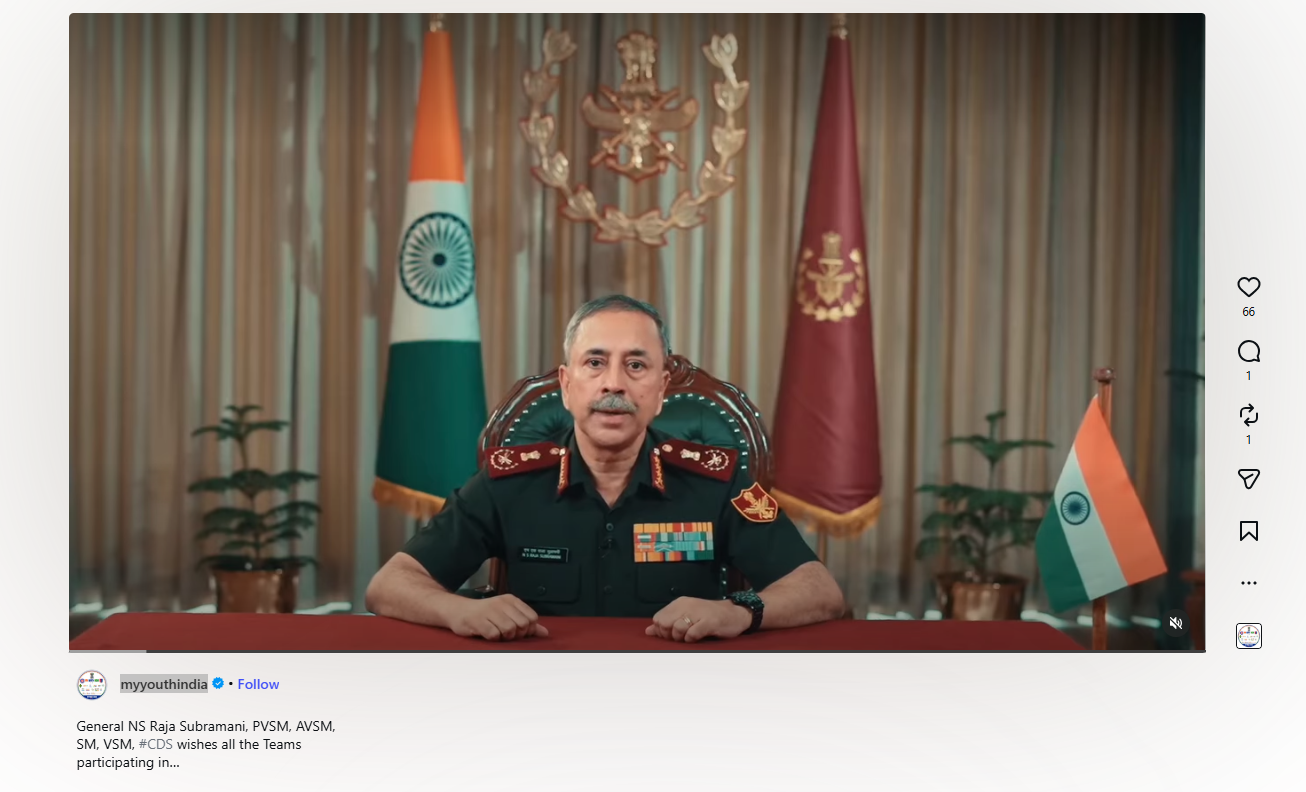
Further research led us to the same video posted by the Instagram account myyouthindia, where CDS Raja Subramani can again be seen wishing teams participating in the 135th Indian Oil Durand Cup Football Tournament.
https://www.instagram.com/reels/DbEGRGBsKv8/
Conclusion
The research established that the viral video of CDS Raja Subramani has been manipulated using AI-generated content. The original video is related to the 135th Indian Oil Durand Cup Football Tournament and does not contain any statement about the resignation of 30,000 Indian soldiers or the Jantar Mantar protest. The digitally altered video is being shared with a false claim.

Introduction
In today’s digital age, everyone is online, so is the healthcare sector worldwide. The latest victim of a data breach is Hong Kong healthcare provider OT&P Healthcare, which has recently suffered a data loss of 100,000 patients that exposed their medical history, and caused concern to the patients and their families. This breach has highlighted the vulnerability in the healthcare sector /industry and the importance of cybersecurity measures to protect sensitive information. This blog will explore the data breach, its impact on patients and families, and the best practices for safeguarding sensitive data.
Background: On 13 March 2023, an incident took place where the Cybercriminals deployed a variety of methods to breach the data, which included phishing attacks, malware, and exploiting software vulnerabilities. OT&P Health Care exploits the sensitive data of the patients. According to OT&P Healthcare, it is working together with law enforcement and has hired a cybersecurity firm to investigate the incident and tighten its security procedures. Like other data breaches, the inquiry will most certainly take some time to uncover the actual source and scope of the intrusion. Regardless of the cause of the breach, this event emphasises the significance of frequent cybersecurity assessments, vulnerability testing, and proactive data protection measures. Considering the dangers in the healthcare sector must be cautious in preserving the personal and medical records of the patients as they are sensitive in nature.
Is confidentiality at stake due to data breaches?
Medical data breaches represent a huge danger to patients, with serious ramifications for their privacy, financial security, and physical health. Some of the potential hazards and effects of medical data breaches are as follows:
- Compromise of patient data: Medical data breaches can expose patients’ sensitive information, such as their medical history, diagnoses, treatment, and medication regimens. If history is highly personal and reaches the wrong hands, it could harm someone’s reputation.
- Identity theft: the data stolen by the cybercriminals may be used by them to open credit accounts and apply for loans, Patients can suffer severe financial and psychological stress because of identity theft since they may spend years attempting to rebuild their credit and regain their good name.
- Medical Fraud: Medical data breaches can also result in medical fraud, which occurs when hackers use stolen medical information to charge insurance companies for services that were not performed or for bogus treatments or procedures. Medical fraud may result in financial losses for patients, insurance companies, and individuals obtaining ineffective or risky medical care.
Impact on patients
Data breach does not cause financial loss but may also profoundly impact their mental health and emotional well-being. let’s understand some psychological impacts:
- Anxiety and Stress: Patients whose medical data has been affected may experience feelings of stress and anxiety as they worry about the potential consequences of the data loss can be misused.
- Loss of faith: Patients may lose faith in their healthcare providers if they believe their personal and medical information needs to be properly As a result, patients may be reluctant to disclose sensitive information to their healthcare professionals, compromising the quality of their medical care.
- Sense of Embarrassment: Patients may feel disregarded or ashamed if their sensitive medical information is revealed, particularly if it relates to a sensitive or stigmatised This might lead to social isolation and a reluctance to seek further medical treatment.
- Post-Traumatic Stress Disorder (PTSD): Patients who have experienced a data breach may have PTSD symptoms such as nightmares, flashbacks, and avoidance behaviour. This can have long-term consequences for their mental health and quality of life.
Legal Implications of Data Breach
Patients have certain legal rights and compensations when a healthcare data breach occurs. Let’s have a look at them: –
- Legal Liability: Healthcare providers have a legal obligation to protect data under various privacy and security laws if they fail to take appropriate measures to protect patient data, they may be held legally liable for resulting harm.
- Legal recourse: Patients whose healthcare data leak has impacted them have the legal right to seek compensation and hold healthcare providers and organisations This could involve suing the healthcare practitioner or organisationresponsible for the breach.
- Right to seek compensation: the patients who have suffered from the data loss are liable to seek compensation.
- Notifications: As soon as a data breach takes place, it impacts the organisation and its customers. In this case, it is the responsibility of the OT&P to
- notify their patients about the data breach and inform them about the consequences.
- Take Away from OT &P Healthcare Data Breach: with the growing data breaches in the healthcare industry, here are some lessons that can be learned from the Hong Kong data breach.
- Cybersecurity: The OT&P Healthcare data breach points to the vital need to prioritisecybersecurity in healthcare. To secure themselves, hospitals and the healthcare sector must use the latest software to protect their data.
- Regular risk assessments: These assessments help find system vulnerabilities and security issues. This can assist healthcare providers and organisationsin taking the necessary actions to avoid data breaches and boost their cybersecurity defences.
- Staff Training: Healthcare workers should be taught cybersecurity best practices, such as detecting and responding to phishing attempts, handling sensitive data, and reporting suspected security breaches. This training should be continued to keep workers updated on the newest cybersecurity trends and threats.
- Incident Response Strategy: Healthcare providers and organisations should have an incident response policy in place to deal with data breaches and other security concerns. This strategy should include protocols for reporting instances, limiting the breach, and alerting patients and verified authorities.
Conclusion
The recent data breach in Hong Kong healthcare impact not only the patients but also their trust is shaken. As we continue to rely on digital technology for medical records and healthcare delivery, it is essential that healthcare providers and organisations take proactive steps to protect patient data from cyber-attacks and data breaches.
References

In the vast, uncharted territories of the digital world, a sinister phenomenon is proliferating at an alarming rate. It's a world where artificial intelligence (AI) and human vulnerability intertwine in a disturbing combination, creating a shadowy realm of non-consensual pornography. This is the world of deepfake pornography, a burgeoning industry that is as lucrative as it is unsettling.
According to a recent assessment, at least 100,000 deepfake porn videos are readily available on the internet, with hundreds, if not thousands, being uploaded daily. This staggering statistic prompts a chilling question: what is driving the creation of such a vast number of fakes? Is it merely for amusement, or is there a more sinister motive at play?
Recent Trends and Developments
An investigation by India Today’s Open-Source Intelligence (OSINT) team reveals that deepfake pornography is rapidly morphing into a thriving business. AI enthusiasts, creators, and experts are extending their expertise, investors are injecting money, and even small financial companies to tech giants like Google, VISA, Mastercard, and PayPal are being misused in this dark trade. Synthetic porn has existed for years, but advances in AI and the increasing availability of technology have made it easier—and more profitable—to create and distribute non-consensual sexually explicit material. The 2023 State of Deepfake report by Home Security Heroes reveals a staggering 550% increase in the number of deepfakes compared to 2019.
What’s the Matter with Fakes?
But why should we be concerned about these fakes? The answer lies in the real-world harm they cause. India has already seen cases of extortion carried out by exploiting deepfake technology. An elderly man in UP’s Ghaziabad, for instance, was tricked into paying Rs 74,000 after receiving a deep fake video of a police officer. The situation could have been even more serious if the perpetrators had decided to create deepfake porn of the victim.
The danger is particularly severe for women. The 2023 State of Deepfake Report estimates that at least 98 percent of all deepfakes is porn and 99 percent of its victims are women. A study by Harvard University refrained from using the term “pornography” for creating, sharing, or threatening to create/share sexually explicit images and videos of a person without their consent. “It is abuse and should be understood as such,” it states.
Based on interviews of victims of deepfake porn last year, the study said 63 percent of participants talked about experiences of “sexual deepfake abuse” and reported that their sexual deepfakes had been monetised online. It also found “sexual deepfake abuse to be particularly harmful because of the fluidity and co-occurrence of online offline experiences of abuse, resulting in endless reverberations of abuse in which every aspect of the victim’s life is permanently disrupted”.
Creating deepfake porn is disturbingly easy. There are largely two types of deepfakes: one featuring faces of humans and another featuring computer-generated hyper-realistic faces of non-existing people. The first category is particularly concerning and is created by superimposing faces of real people on existing pornographic images and videos—a task made simple and easy by AI tools.
During the investigation, platforms hosting deepfake porn of stars like Jennifer Lawrence, Emma Stone, Jennifer Aniston, Aishwarya Rai, Rashmika Mandanna to TV actors and influencers like Aanchal Khurana, Ahsaas Channa, and Sonam Bajwa and Anveshi Jain were encountered. It takes a few minutes and as little as Rs 40 for a user to create a high-quality fake porn video of 15 seconds on platforms like FakeApp and FaceSwap.
The Modus Operandi
These platforms brazenly flaunt their business association and hide behind frivolous declarations such as: the content is “meant solely for entertainment” and “not intended to harm or humiliate anyone”. However, the irony of these disclaimers is not lost on anyone, especially when they host thousands of non-consensual deepfake pornography.
As fake porn content and its consumers surge, deepfake porn sites are rushing to forge collaborations with generative AI service providers and have integrated their interfaces for enhanced interoperability. The promise and potential of making quick bucks have given birth to step-by-step guides, video tutorials, and websites that offer tools and programs, recommendations, and ratings.
Nearly 90 per cent of all deepfake porn is hosted by dedicated platforms that charge for long-duration premium fake content and for creating porn—of whoever a user wants, and take requests for celebrities. To encourage them further, they enable creators to monetize their content.
One such website, Civitai, has a system in place that pays “rewards” to creators of AI models that generate “images of real people'', including ordinary people. It also enables users to post AI images, prompts, model data, and LoRA (low-rank adaptation of large language models) files used in generating the images. Model data designed for adult content is gaining great popularity on the platform, and they are not only targeting celebrities. Common people are equally susceptible.
Access to premium fake porn, like any other content, requires payment. But how can a gateway process payment for sexual content that lacks consent? It seems financial institutes and banks are not paying much attention to this legal question. During the investigation, many such websites accepting payments through services like VISA, Mastercard, and Stripe were found.
Those who have failed to register/partner with these fintech giants have found a way out. While some direct users to third-party sites, others use personal PayPal accounts to manually collect money in the personal accounts of their employees/stakeholders, which potentially violates the platform's terms of use that ban the sale of “sexually oriented digital goods or content delivered through a digital medium.”
Among others, the MakeNude.ai web app – which lets users “view any girl without clothing” in “just a single click” – has an interesting method of circumventing restrictions around the sale of non-consensual pornography. The platform has partnered with Ukraine-based Monobank and Dublin’s BetaTransfer Kassa which operates in “high-risk markets”.
BetaTransfer Kassa admits to serving “clients who have already contacted payment aggregators and received a refusal to accept payments, or aggregators stopped payments altogether after the resource was approved or completely freeze your funds”. To make payment processing easy, MakeNude.ai seems to be exploiting the donation ‘jar’ facility of Monobank, which is often used by people to donate money to Ukraine to support it in the war against Russia.
The Indian Scenario
India currently is on its way to design dedicated legislation to address issues arising out of deepfakes. Though existing general laws requiring such platforms to remove offensive content also apply to deepfake porn. However, persecution of the offender and their conviction is extremely difficult for law enforcement agencies as it is a boundaryless crime and sometimes involves several countries in the process.
A victim can register a police complaint under provisions of Section 66E and Section 66D of the IT Act, 2000. Recently enacted Digital Personal Data Protection Act, 2023 aims to protect the digital personal data of users. Recently Union Government issued an advisory to social media intermediaries to identify misinformation and deepfakes. Comprehensive law promised by Union IT minister Ashwini Vaishnav will be able to address these challenges.
Conclusion
In the end, the unsettling dance of AI and human vulnerability continues in the dark web of deepfake pornography. It's a dance that is as disturbing as it is fascinating, a dance that raises questions about the ethical use of technology, the protection of individual rights, and the responsibility of financial institutions. It's a dance that we must all be aware of, for it is a dance that affects us all.
References
- https://www.indiatoday.in/india/story/deepfake-porn-artificial-intelligence-women-fake-photos-2471855-2023-12-04
- https://www.hindustantimes.com/opinion/the-legal-net-to-trap-peddlers-of-deepfakes-101701520933515.html
- https://indianexpress.com/article/opinion/columns/with-deepfakes-getting-better-and-more-alarming-seeing-is-no-longer-believing/
