
#FactCheck-Old Video of Army Officer Leaving Press Conference Falsely Linked to Funding Row With Pakistan and China
Executive Summary
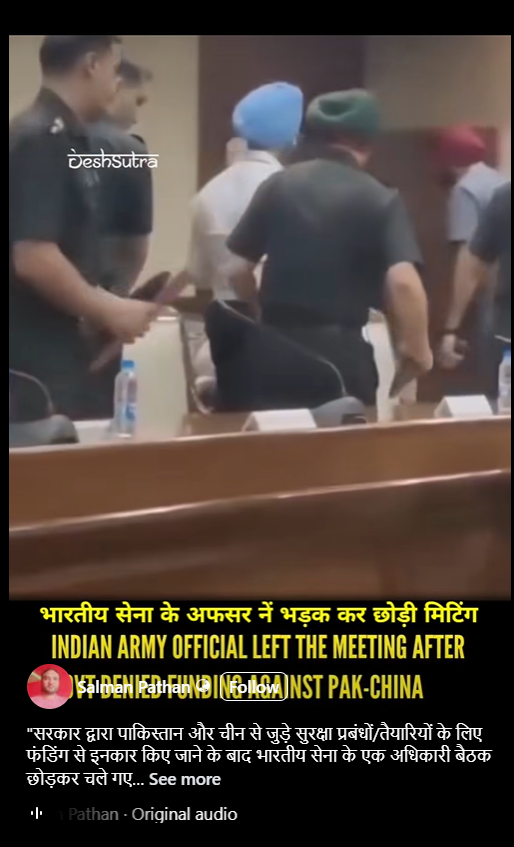
A video of an Indian Army officer leaving a meeting alongside a police official is being widely circulated on social media. Some users are sharing the clip with the claim that the officer walked out of a meeting after the government refused to provide funding for security preparations related to Pakistan and China. CyberPeace Research Wing’s research found the viral claim to be false. Our research revealed that the video is not related to any dispute over defence funding. It actually shows a press conference held in Patiala in March 2025 regarding an attack on an Indian Army Colonel. During the press conference, the Army officer demanded a transparent, time-bound, fair and impartial research, while the police official provided details about the action taken in the case.
Claim
Facebook user ‘Salman Pathan’ shared the video on July 15, 2026, with the claim: “After the government refused funding for security arrangements/preparations related to Pakistan and China, an Indian Army officer left the meeting.” The post further questioned the government over alleged priorities in spending public money.
https://www.facebook.com/reel/3995874277215044
https://perma.cc/JL7A-2A6B?type=standard
Fact Check
To verify the claim, we extracted keyframes from the viral video and conducted a reverse image search using Google Lens. During the research, we found that the same video was uploaded on March 25, 2025, by X user ‘Man Aman Singh Chhina’. The post stated:
“Chief of Staff of Western Command Lieutenant General Mohit Wadhwa left along with senior officers after reading a statement on the Patiala Colonel case without answering any questions. The DGP also read his statement and left, but at least he answered media questions.”
https://x.com/manaman_chhina/status/1904492655720988850?s=20

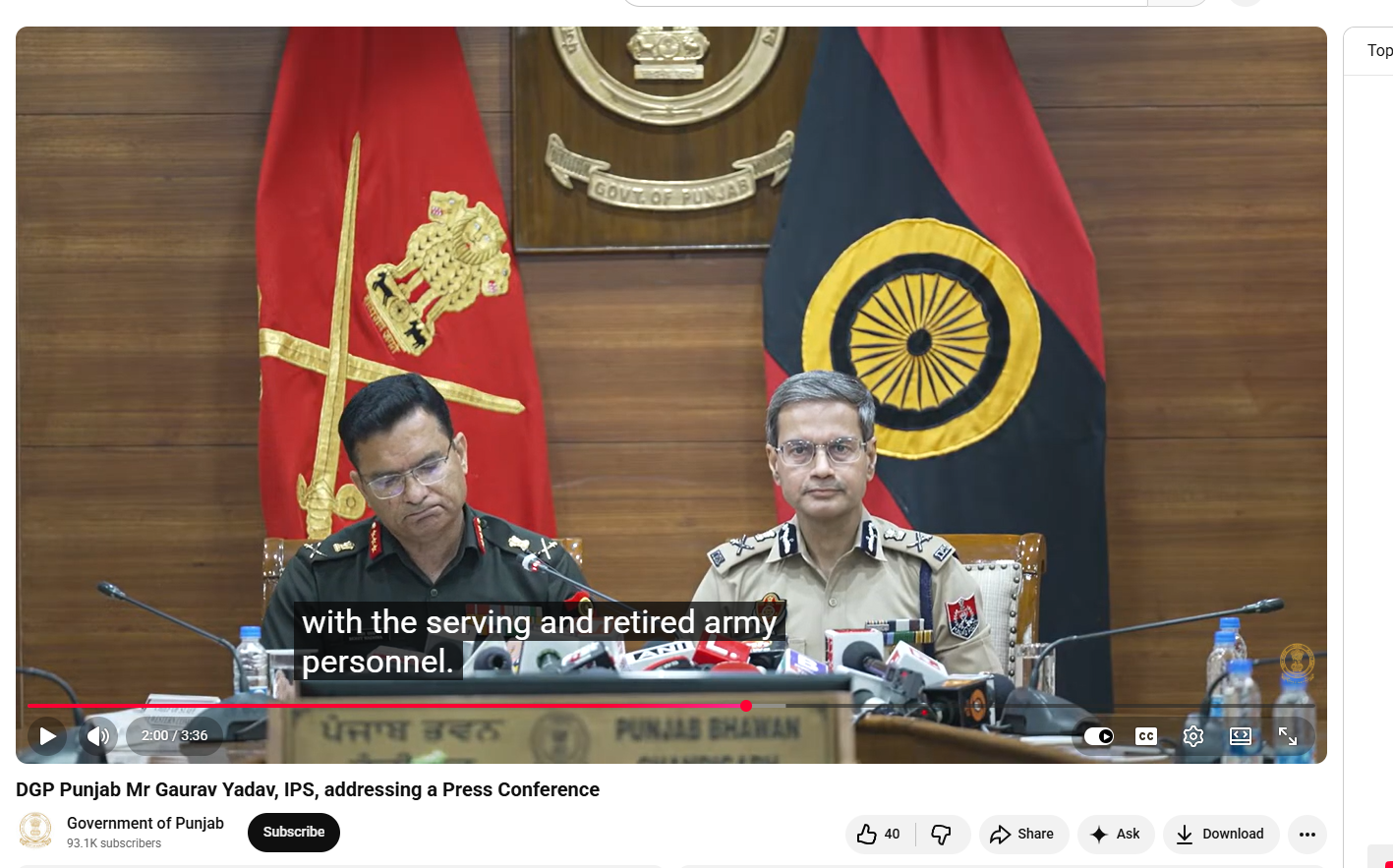
Further research revealed that the Government of Punjab’s official YouTube channel had uploaded the video of the same press conference on March 25, 2025. At the end of the press conference, when the Army and police officials leave the venue, the same question from journalists that appears in the viral clip can be heard.
https://www.youtube.com/live/7i3Nxc6vTpU
According to a report published by Amar Ujala on July 16, 2025, the Punjab and Haryana High Court, dissatisfied with the research conducted by the Chandigarh Police SIT, transferred the case to the Central Bureau of research (CBI).

Conclusion
Our research found that an old and unrelated video from March 2025 is being falsely circulated with the claim that an Army officer left a meeting after the government refused funding for security preparations related to Pakistan and China. The viral video actually relates to a press conference regarding the attack on Colonel Pushpinder Singh Bath in Patiala and has no connection with any defence funding issue. The viral claim is therefore false and misleading.

Related Blogs
Executive Summary
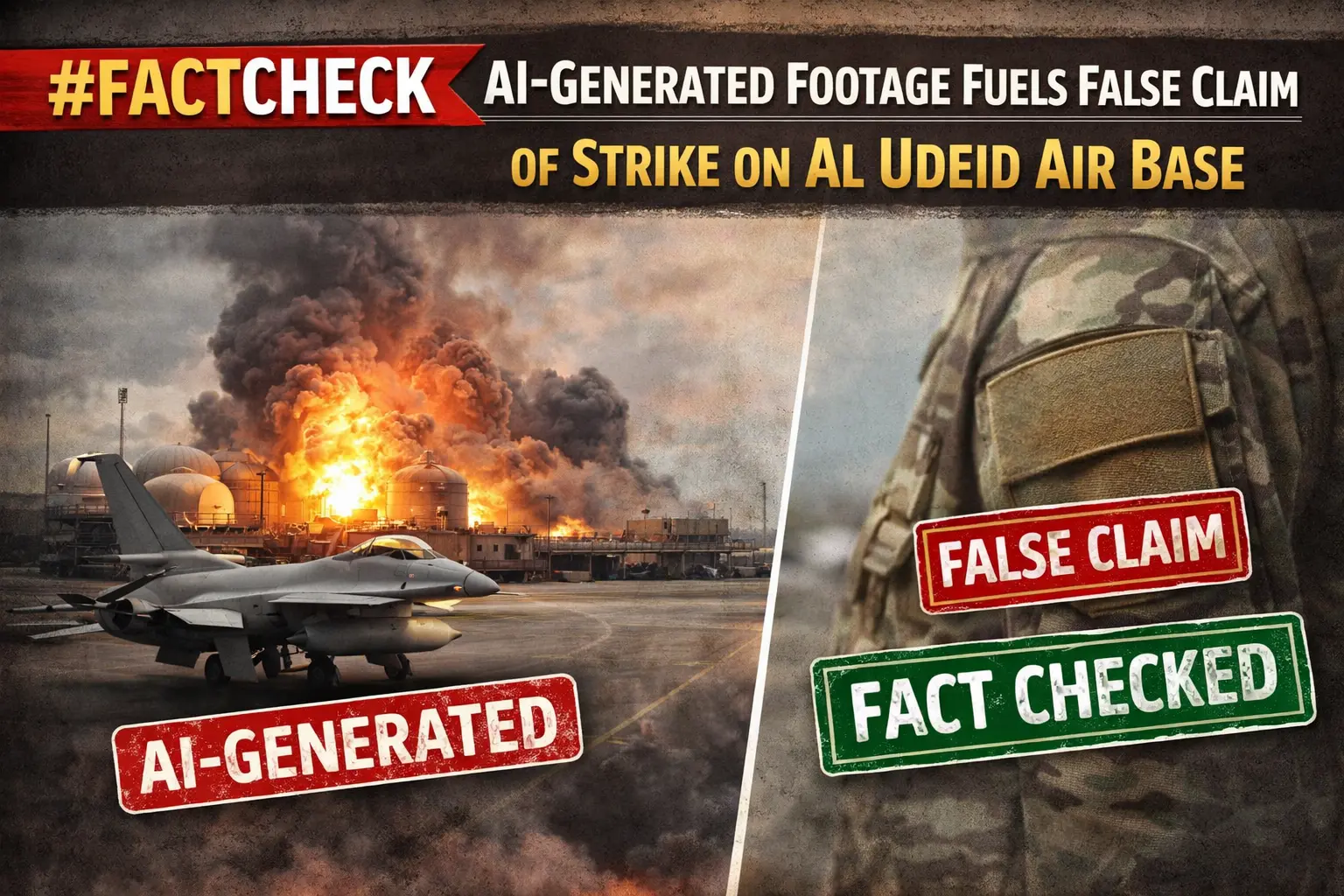
The ongoing conflict between the US-Israel and Iran has entered its third week. During this period, Iran reportedly targeted the US military base at Al Udeid in Qatar. Amid this, a video is going viral on social media showing people, vehicles, and chaos following an alleged attack. Some users are sharing it as footage of an Iranian missile strike on the Al Udeid Air Base. However, an research by the CyberPeacefound that the viral video is not real but AI-generated.
Claim:
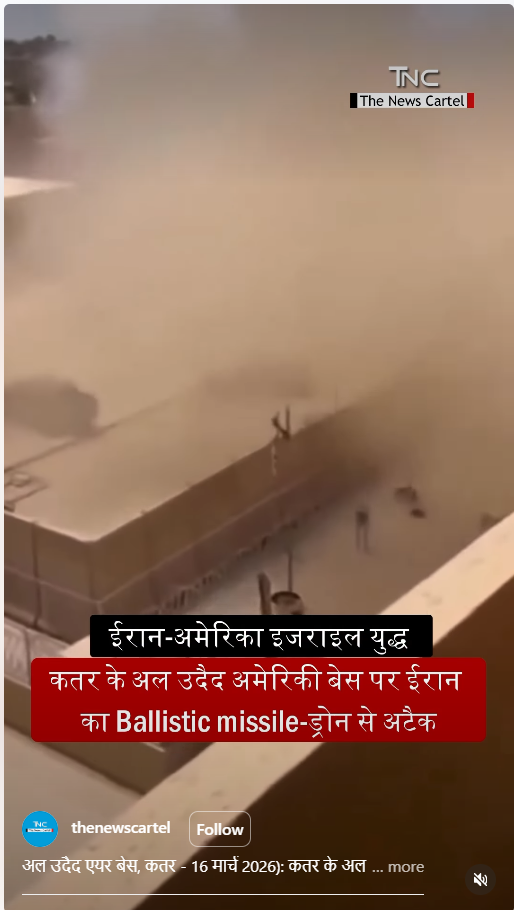
An Instagram user “thenewscartel” shared the video on March 17, 2026, with the caption: “Al Udeid Air Base, Qatar (March 16, 2026): Iran launched ballistic missiles and drones at the US military’s largest Middle East base near Doha as retaliation for US-Israel strikes in Tehran. Qatar’s Defense Ministry confirmed multiple launches. Most were intercepted by Qatari air defense. One missile landed near the base or in an uninhabited area. No casualties or major damage reported. Explosions were heard in Doha, and smoke was seen in the sky.”
Fact Check:
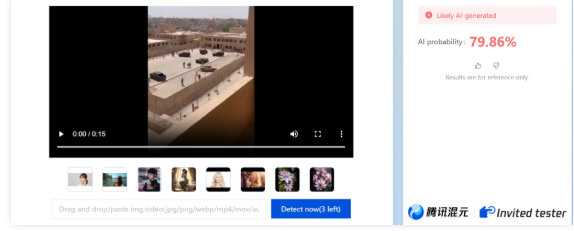
To verify the claim, we closely examined the viral video. We observed multiple visual inconsistencies—one person appears to be walking in reverse, another disappears and reappears, and the body shapes of people distort as they begin to run. These anomalies strongly indicate AI manipulation. We then analyzed the video using the AI detection tool Zhuque AI, which indicated an approximately 80 percent likelihood that the video is AI-generated.
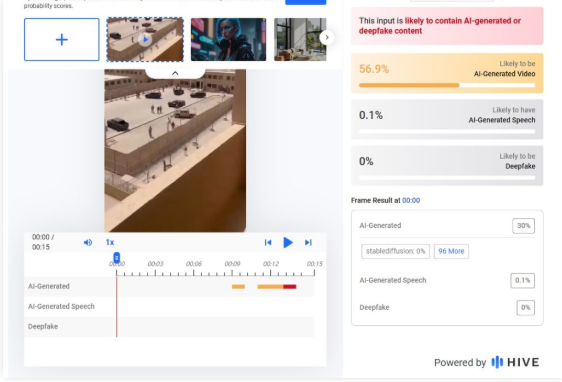
Further analysis using Hive Moderation showed around a 57 percent probability of the video being AI-generated.
Conclusion:
Our research found that the viral video being shared as footage of an Iranian attack on the US military base at Al Udeid in Qatar is AI-generated and not related to any real incident.
Executive Summary
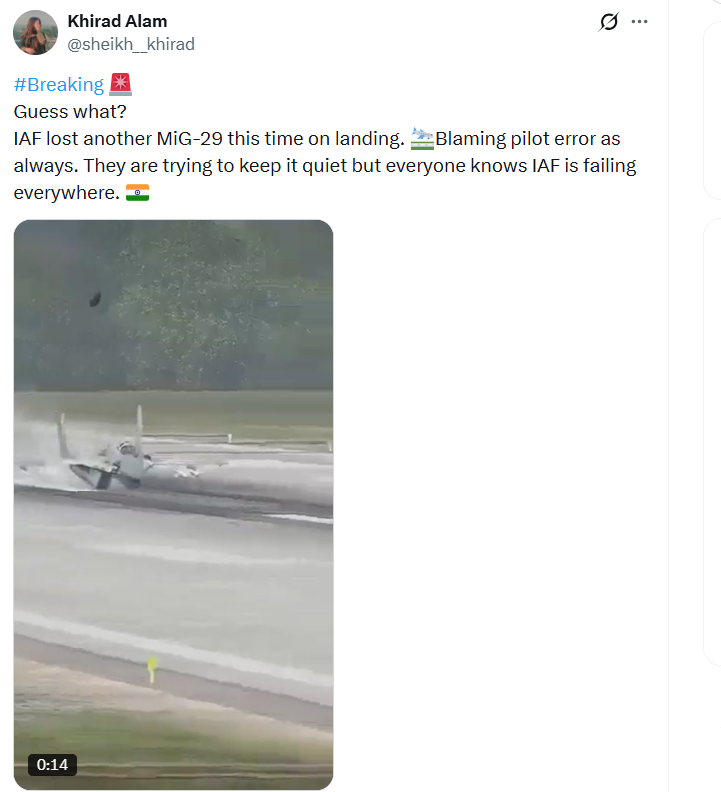
A video is being shared on social media with the claim that an Indian Air Force (IAF) MiG-29 fighter jet crashed while landing due to the pilot’s negligence. The claim further alleges that no casualties were reported in the incident and that the IAF is concealing the incident because it is losing fighter jets at a high rate. The video is being widely shared on social media.
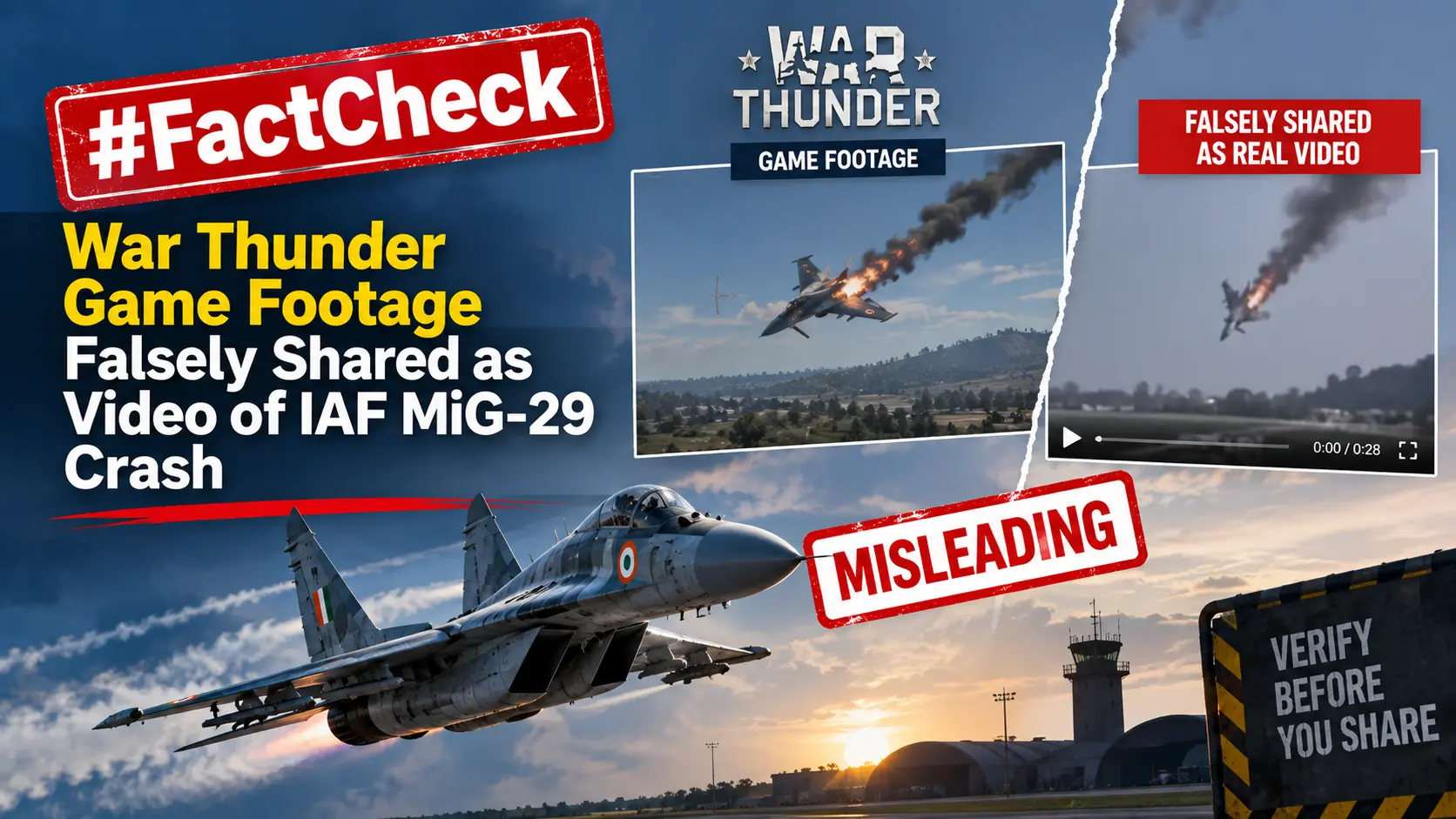
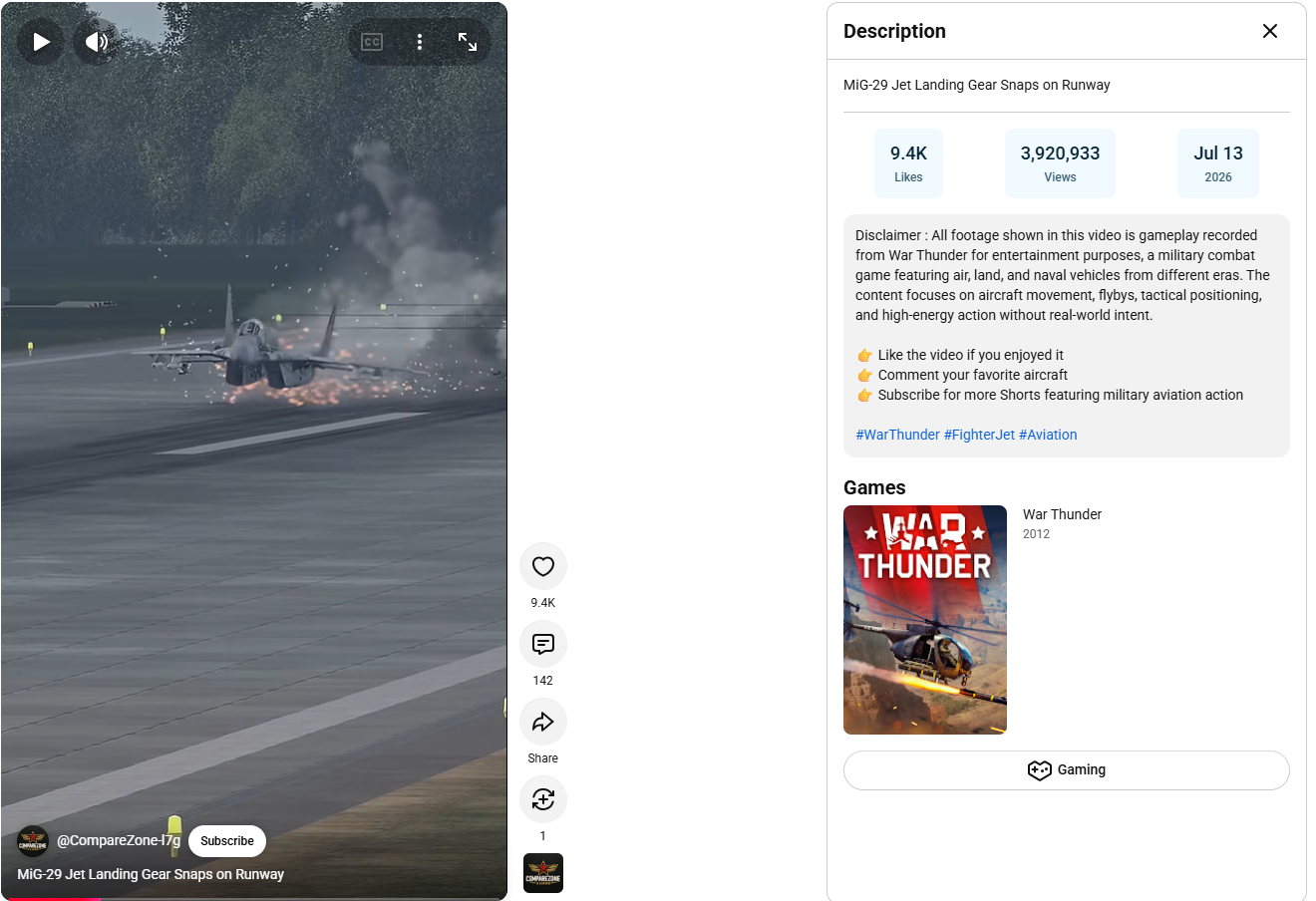
CyberPeace Research found the claim to be false. Our Research revealed that the video is not footage of an actual IAF MiG-29 crash, but gameplay footage from the video game War Thunder, which is being shared with a false and misleading claim.
Claim:
An Indian Air Force MiG-29 fighter jet crashed while landing, with pilot error being blamed for the incident. The post further claims that the IAF is trying to conceal the incident.
https://x.com/sheikh__khirad/status/2100447634599342114?s=20
Fact Check
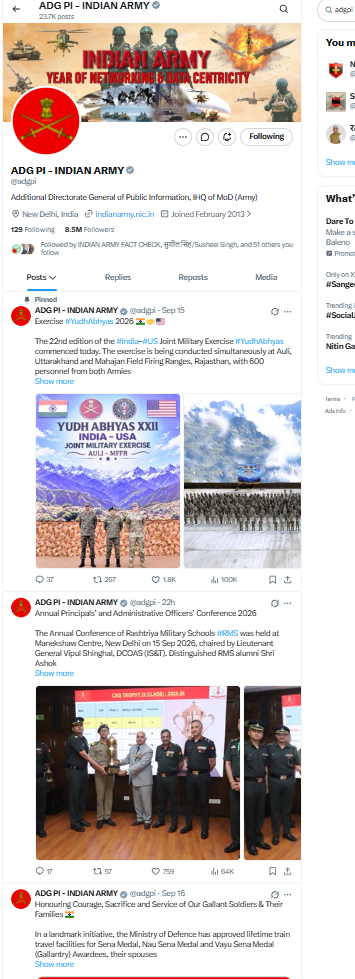
To verify the claim, we conducted a Google search using relevant keywords. However, we did not find any credible media report supporting the claim. We also checked the official X account of the Indian Army, but found no post confirming the claim.
https://x.com/adgpi
As part of our further research, we conducted a reverse image search of keyframes from the video. During the search, we found a YouTube channel where similar visuals had been uploaded.
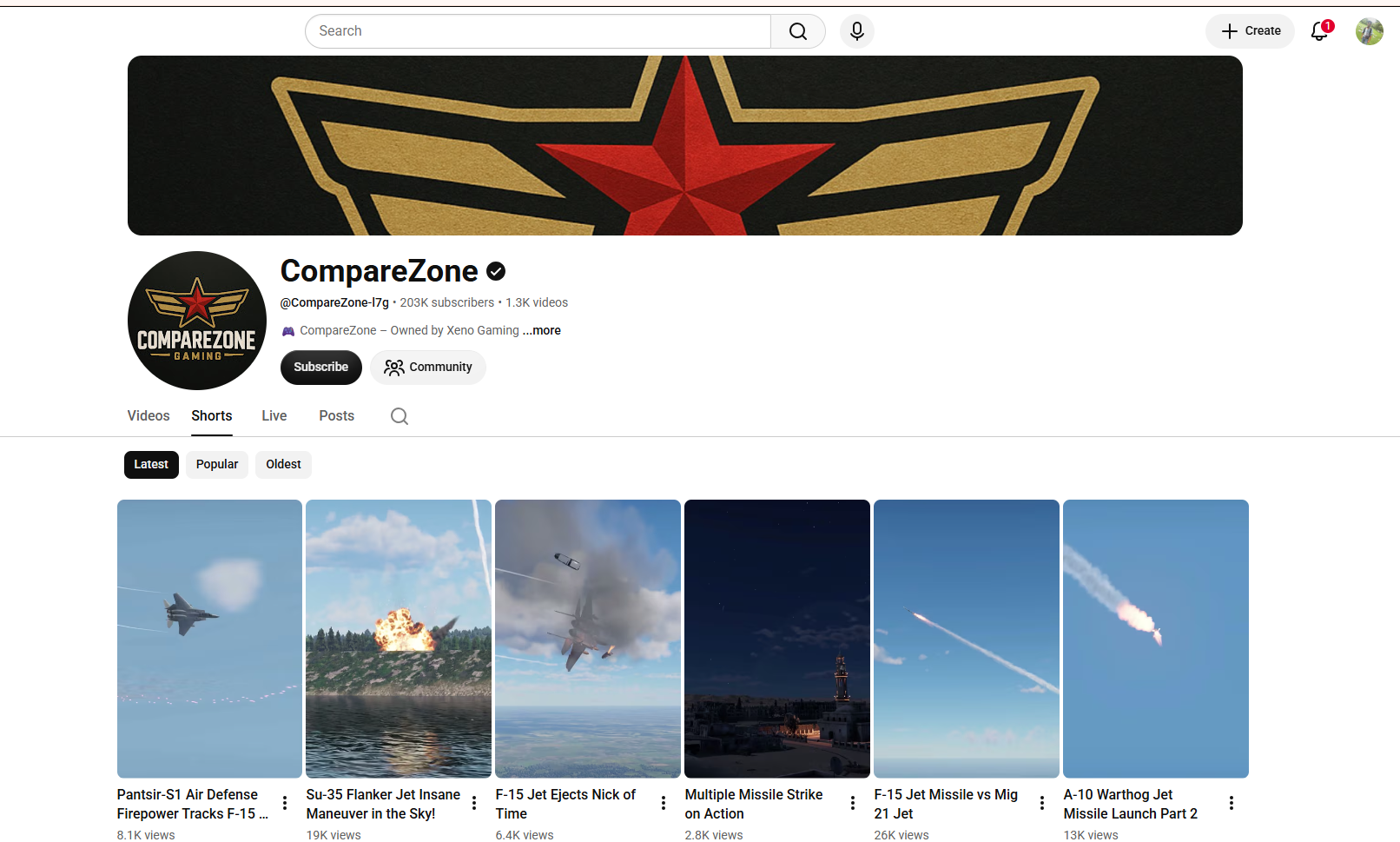
We found that the channel regularly posts gaming-related content. At the end of our research, we found the original version of the viral video on the YouTube channel. It was published on July 13, 2026. The video description also clearly states that the footage is gaming content and not a real-life incident.
https://www.youtube.com/shorts/dVu0eMztePo
Conclusion
Our research found that the video being shared with the claim that an IAF MiG-29 fighter jet crashed during landing does not depict a real incident. The video is actually gameplay footage from the video game War Thunder.Therefore, gaming footage is being falsely presented on social media as footage of an Indian Air Force MiG-29 crashing during landing. The incident shown in the video is not real.
Executive Summary:
New Linux malware has been discovered by a cybersecurity firm Volexity, and this new strain of malware is being referred to as DISGOMOJI. A Pakistan-based threat actor alias ‘UTA0137’ has been identified as having espionage aims, with its primary focus on Indian government entities. Like other common forms of backdoors and botnets involved in different types of cyberattacks, DISGOMOJI, the malware allows the use of commands to capture screenshots, search for files to steal, spread additional payloads, and transfer files. DISGOMOJI uses Discord (messaging service) for Command & Control (C2) and uses emojis for C2 communication. This malware targets Linux operating systems.
The DISCOMOJI Malware:
- The DISGOMOJI malware opens a specific channel in a Discord server and every new channel corresponds to a new victim. This means that the attacker can communicate with the victim one at a time.
- This particular malware connects with the attacker-controlled Discord server using Emoji, a form of relay protocol. The attacker provides unique emojis as instructions, and the malware uses emojis as a feedback to the subsequent command status.
- For instance, the ‘camera with flash’ emoji is used to screenshots the device of the victim or to steal, the ‘fox’ emoji cracks all Firefox profiles, and the ‘skull’ emoji kills the malware process.
- This C2 communication is done using emojis to ensure messaging between infected contacts, and it is almost impossible for Discord to shut down the malware as it can always change the account details of Discord it is using once the maliciou server is blocked.
- The malware also has capabilities aside from the emoji-based C2 such as network probing, tunneling, and data theft that are needed to help the UTA0137 threat actor in achieving its espionage goals.
Specific emojis used for different commands by UTA0137:
- Camera with Flash (📸): Captures a picture of the target device’s screen as per the victim’s directions.
- Backhand Index Pointing Down (👇): Extracts files from the targeted device and sends them to the command channel in the form of attachments.
- Backhand Index Pointing Right (👉): This process involves sending a file found on the victim’s device to another web-hosted file storage service known as Oshi or oshi[. ]at.
- Backhand Index Pointing Left (👈): Sends a file from the victim’s device to transfer[. ]sh, which is an online service for sharing files on the Internet.
- Fire (🔥): Finds and transmits all files with certain extensions that exist on the victim’s device, such as *. txt, *. doc, *. xls, *. pdf, *. ppt, *. rtf, *. log, *. cfg, *. dat, *. db, *. mdb, *. odb, *. sql, *. json, *. xml, *. php, *. asp, *. pl, *. sh, *. py, *. ino, *. cpp, *. java,
- Fox (🦊): This works by compressing all Firefox related profiles in the affected device.
- Skull (💀): Kills the malware process in windows using ‘os. Exit()’
- Man Running (🏃♂️): Execute a command on a victim’s device. This command receives an argument, which is the command to execute.
- Index Pointing up (👆) : Upload a file to the victim's device. The file to upload is attached along with this emoji
Analysis:
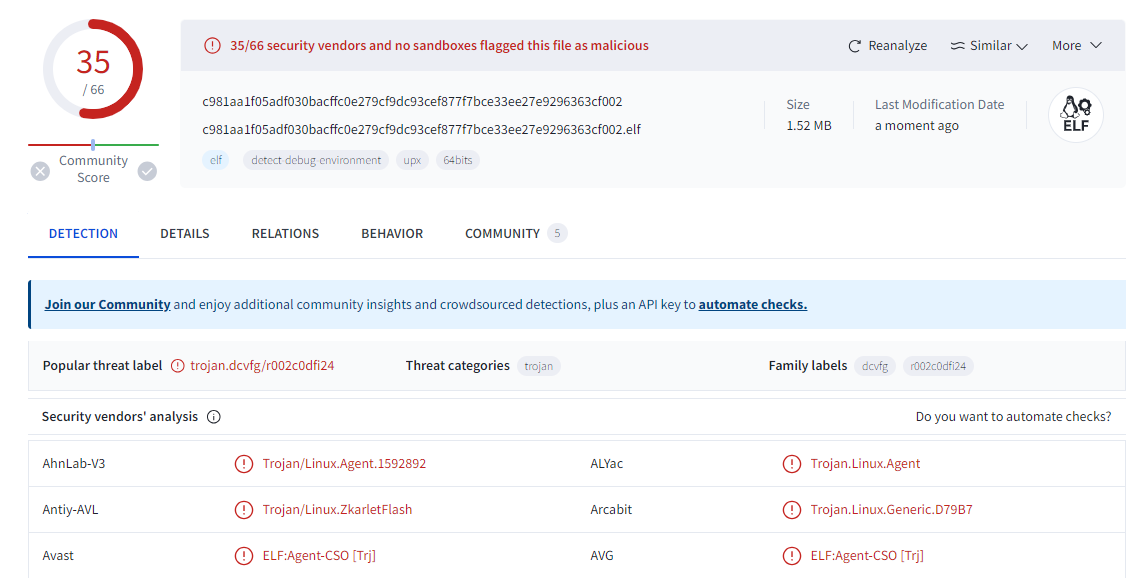
The analysis was carried out for one of the indicator of compromised SHA-256 hash file- C981aa1f05adf030bacffc0e279cf9dc93cef877f7bce33ee27e9296363cf002.
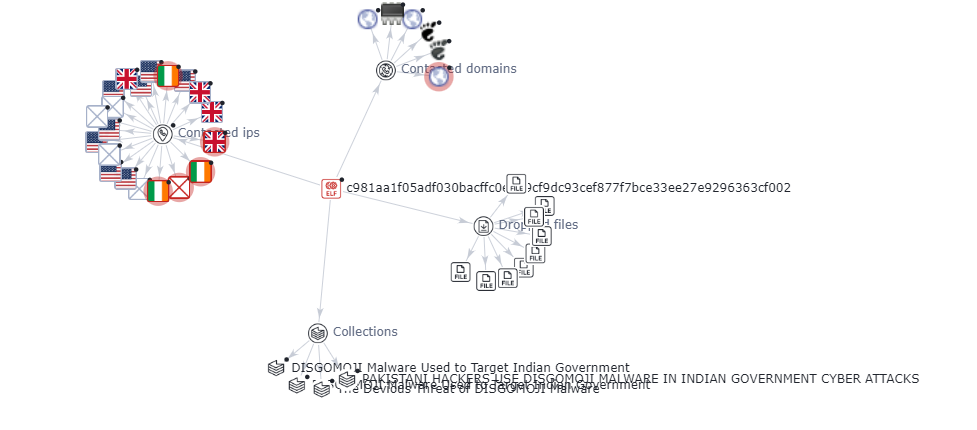
It is found that most of the vendors have marked the file as trojan in virustotal and the graph explains the malicious nature of the contacted domains and IPs.
Discord & C2 Communication for UTA0137:
- Stealthiness: Discord is a well-known messaging platform used for different purposes, which means that sending any messages or files on the server should not attract suspicion. Such stealthiness makes it possible for UTA0137 to remain dormant for greater periods before launching an attack.
- Customization: UTA0137 connected to Discord is able to create specific channels for distinct victims on the server. Such a framework allows the attackers to communicate with each of the victims individually to make a process more accurate and efficient.
- Emoji-based protocol: For C2 communication, emojis really complicates the attempt that Discord might make to interfere with the operations of the malware. In case the malicious server gets banned, malware could easily be recovered, especially by using the Discord credentials from the C2 server.
- Persistence: The malware, as stated above, has the ability to perpetually exist to hack the system and withstand rebooting of systems so that the virus can continue to operate without being detected by the owner of the hacked system.
- Advanced capabilities: Other features of DISGOMOJI are the Network Map using Nmap scanner, network tunneling through Chisel and Ligolo and Data Exfiltration by File Sharing services. These capabilities thus help in aiding the espionage goals of UTA0137.
- Social engineering: The virus and the trojan can show the pop-up windows and prompt messages, for example the fake update for firefox and similar applications, where the user can be tricked into inputting the password.
- Dynamic credential fetching: The malware does not write the hardcoded values of the credentials in order to connect it to the discord server. This also inconveniences analysts as they are unable to easily locate the position of the C2 server.
- Bogus informational and error messages: They never show any real information or errors because they do not want one to decipher the malicious behavior easily.
Recommendations to mitigate the risk of UTA0137:
- Regularly Update Software and Firmware: It is essential to regularly update all the application software and firmware of different devices, particularly, routers, to prevent hackers from exploiting the discovered and disclosed flaws. This includes fixing bugs such as CVE-2024-3080 and CVE-2024-3912 on ASUS routers, which basically entails solving a set of problems.
- Implement Multi-Factor Authentication: There are statistics that show how often user accounts are attacked, it is important to incorporate multi-factor authentication to further secure the accounts.
- Deploy Advanced Malware Protection: Provide robust guard that will help the user recognize and prevent the execution of the DISGOMOJI malware and similar threats.
- Enhance Network Segmentation: Utilize stringent network isolation mechanisms that seek to compartmentalize the key systems and data from the rest of the network in order to minimize the attack exposure.
- Monitor Network Activity: Scanning Network hour to hour for identifying and handling the security breach and the tools such as Nmap, Chisel, Ligolo etc can be used.
- Utilize Threat Intelligence: To leverage advanced threats intelligence which will help you acquire knowledge on previous threats and vulnerabilities and take informed actions.
- Secure Communication Channels: Mitigate the problem of the leakage of developers’ credentials and ways of engaging with the discord through loss of contact to prevent abusing attacks or gaining control over Discord as an attack vector.
- Enforce Access Control: Regularly review and update the user authentication processes by adopting stricter access control measures that will allow only the right personnel to access the right systems and information.
- Conduct Regular Security Audits: It is important to engage in security audits periodically in an effort to check some of the weaknesses present within the network or systems.
- Implement Incident Response Plan: Conduct a risk assessment, based on that design and establish an efficient incident response kit that helps in the early identification, isolation, and management of security breaches.
- Educate Users: Educate users on cybersecurity hygiene, opportunities to strengthen affinity with the University, and conduct retraining on threats like phishing and social engineering.
Conclusion:
The new threat actor named UTA0137 from Pakistan who was utilizing DISGOMOJI malware to attack Indian government institutions using embedded emojis with a command line through the Discord app was discovered by Volexity. It has the capability to exfiltrate and aims to steal the data of government entities. The UTA0137 was continuously improved over time to permanently communicate with victims. It underlines the necessity of having strong protection from viruses and hacker attacks, using secure passwords and unique codes every time, updating the software more often and having high-level anti-malware tools. Organizations can minimize advanced threats, the likes of DISGOMOJI and protect sensitive data by improving network segmentation, continuous monitoring of activities, and users’ awareness.
References:
https://otx.alienvault.com/pulse/66712446e23b1d14e4f293eb
https://thehackernews.com/2024/06/pakistani-hackers-use-disgomoji-malware.html?m=1
https://cybernews.com/news/hackers-using-emojis-to-command-malware/
https://www.volexity.com/blog/2024/06/13/disgomoji-malware-used-to-target-indian-government/
