
#FactCheck: AI-Generated Video Falsely Shared as New Robotic-Legged Vehicle Inducted into Indian Army
Executive Summary
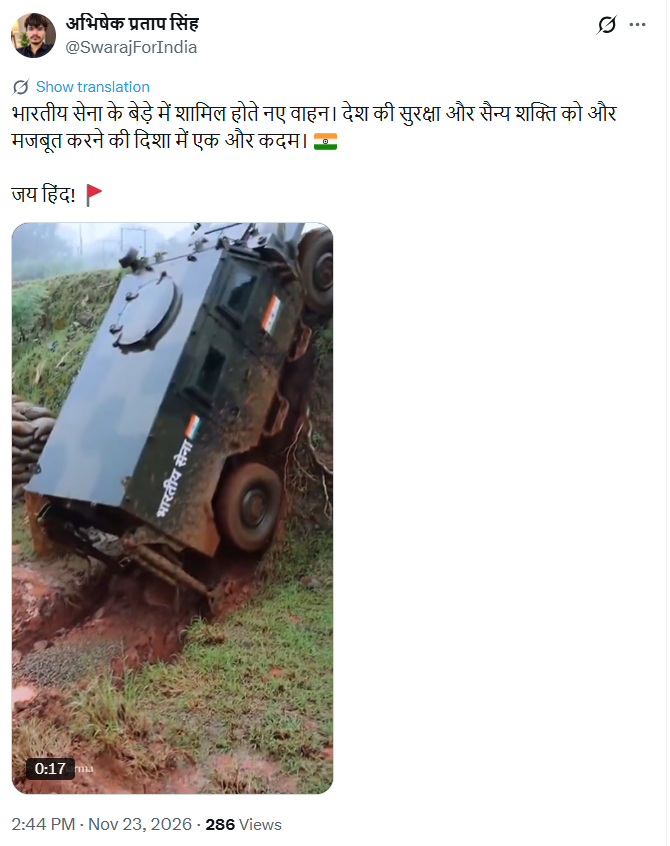
A video is being widely shared on social media showing a vehicle moving across rough terrain with the help of robotic legs. It is claimed that the vehicle is a new addition to the Indian Army. CyberPeace Research found that the viral video is AI-generated and is being circulated with a misleading claim.
Claim:
New vehicles equipped with robotic legs have been inducted into the Indian Army's fleet.
https://x.com/SwarajForIndia/status/2124793802292609183
https://archive.ph/ftH3v
Fact Check
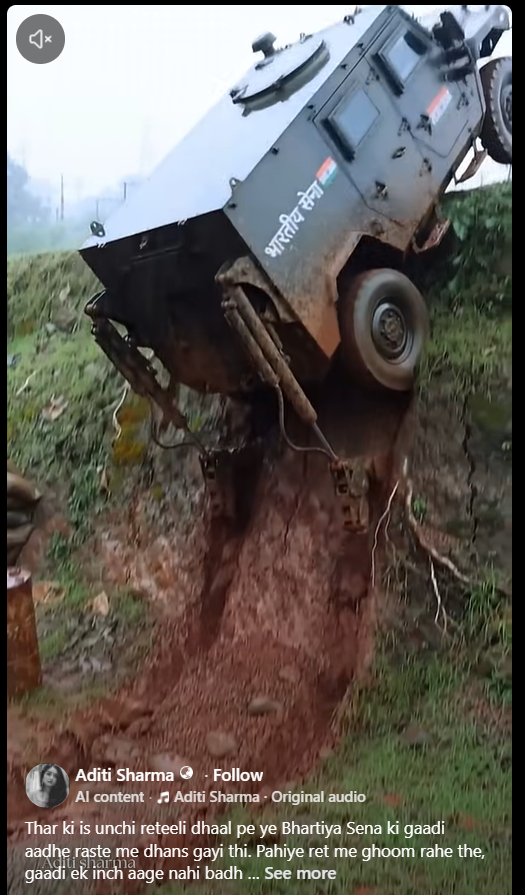
To verify the viral claim, we conducted a Google search using relevant keywords. However, we did not find any credible media reports supporting the claim. Further, we conducted a reverse image search on keyframes from the viral video. During this process, we found the same video on a Facebook account named ‘Aditi Sharma’. The video, shared on November 21, 2026, was labelled as AI-generated.
https://www.facebook.com/reel/1686771766483290
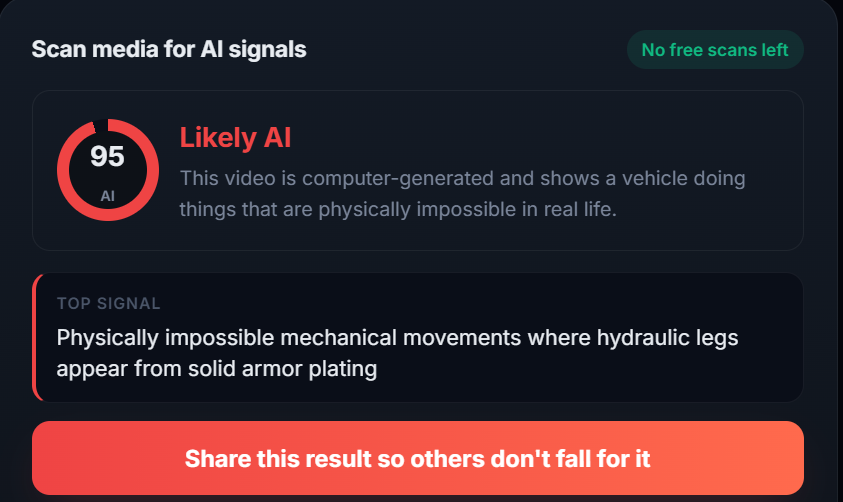
As part of our further research, we scanned the viral video using the AI detection tool Human Meter. According to the results, the video is 95 per cent AI-generated.
As part of our further research, we scanned the viral video using another AI detection tool, Meta AI. According to the results, the video is AI-generated.
Further, we found a report published on the Aaj Tak website. According to the report, India has taken a step towards the domestic production of specialised all-terrain vehicles for the Army. Larsen & Toubro (L&T) and British company BAE Systems began production of 18 BvS10 Sindhu articulated all-terrain vehicles on October 28 at L&T's Armoured Systems Complex in Surat. According to the report, these vehicles can easily navigate difficult terrains such as snow, mud and water. They are designed to operate at altitudes of up to 18,000 feet in high-altitude regions such as Ladakh and can function in temperatures as low as minus 55 degrees Celsius.
Conclusion
Our research found that the viral video is AI-generated and is being circulated with a misleading claim.

Related Blogs

Introduction
Recently in July 2026, India's Cyber Crime Coordination Centre (I4C) under the Ministry of Home Affairs quietly tried to do something almost no government has managed before: switch off an app that doesn't need the internet to work. On July 23, 2026, I4C sent takedown notices to Google, Apple and GitHub, ordering them to pull three offline messaging apps – like BitChat, Briar and Bridgefy – from the Play Store, App Store and GitHub's code repository, respectively, giving a three-hour deadline. The notices followed a period of student-led demonstrations at Jantar Mantar, New Delhi, associated with a group "Cockroach Janata Party," a period that also saw a mobile internet shutdown in parts of central Delhi. When Twitter co-founder Jack Dorsey, who built and open-sourced BitChat, publicised the GitHub notice on X, the episode made international news. Google and Apple got near-identical orders the same night, and telecom operators were reportedly told, and then just as quickly untold, to block the apps at the network level. By July 29, all three apps were still live on both app stores, and BitChat's code was still on GitHub. This incident is worth unpacking carefully, because it sits at the intersection of three things most people care about but rarely see explained together: how this technology actually works, what the law actually allows, and why an app can be "banned" on paper while still working perfectly on your phone.
What makes these apps different
Ordinary apps like WhatsApp or Telegram are centralised: your message travels from your phone to a company's server, and then to the recipient's phone. Block or seize the server, and communication stops. BitChat, Briar and Bridgefy are built differently. They use Bluetooth mesh networking, a system where nearby phones talk directly to each other, and each device also relays messages onwards to phones further away, like a bucket brigade. No message ever touches a central server. Briar adds a further layer by routing traffic over Tor, an anonymity network, when internet access is available, and falls back to Bluetooth or Wi-Fi Direct when it isn't. Bridgefy is tuned for larger crowds, useful during concerts, natural disasters, or protests where thousands of phones are packed into a small area and cellular networks buckle under the load. This design, often called decentralised or peer-to-peer communication, is precisely why these apps are useful during disasters and precisely why they worry law enforcement: they keep working when the internet doesn't, whether that's because a cyclone knocked out cell towers or because the government itself ordered a shutdown.
The legal machinery behind a takedown notice
India's power to block online content mainly comes from Section 69A of the Information Technology Act, 2000, which lets the central government order blocking on grounds like sovereignty, public order or preventing incitement to an offence but only through a defined process set out in the IT (Blocking) Rules, 2009: a designated officer, a review committee, and recorded written reasons. The Supreme Court examined this exact provision in its landmark 2015 ruling, Shreya Singhal v. Union of India. While the judgement is best remembered for striking down the vague "offensive speech" law under Section 66A, it separately upheld Section 69A specifically because it came with procedural guardrails, a reasoned order, an opportunity to be heard, and the possibility of judicial review that stopped it from becoming an unchecked censorship tool. The July 23 notices, however, reportedly leaned on a different lever: Section 79(3)(b) of the IT Act, read with Rule 3(1)(d) of the IT Intermediary Guidelines and Digital Media Ethics Code Rules, 2021. That provision governs when an intermediary loses its legal immunity ("safe harbour") for user content if it fails to act on a government or court order, a mechanism built for content takedowns, not necessarily for pulling an entire app off a store shelf within three hours. Legal commentators have flagged this as significant, since Shreya Singhal itself read down Section 79(3)(b) to require action only pursuant to a court order or a properly authorised government direction, not an informal notice. This isn't the first time a mesh-messaging app has run into this machinery. In 2023, following an I4C request, the government blocked Briar and thirteen other apps in Jammu and Kashmir under Section 69A, citing use, the first known instance of Section 69A being used for a regional block. Briar's developers challenged this in the Delhi High Court; in 2024, the court dismissed the challenge, holding that principles of natural justice can give way in matters of national security.
Why you can't easily switch off a mesh network
Here's the technical wrinkle that made the July order largely symbolic: removing an app from the Play Store stops new downloads, but it does nothing to phones that already have it installed, and it does nothing at all to the Bluetooth radios exchanging messages between those phones. Unlike an internet shutdown, which works by controlling the pipes that all traffic must pass through, a mesh network has no chokepoint, no server to seize, no IP address to blacklist, and no single company to compel.
GitHub, for its part, said it followed its standard process of notifying the account holder and offering an appeal before taking any action, which is one reason BitChat's source code stayed publicly accessible throughout. Within a day, officials reportedly told the companies orally that enforcement wasn't necessary after all, though no public clarification or official document has been released explaining why the notices were issued or withdrawn.
Two legitimate, competing interests
None of this means the government's underlying worry is baseless. Law enforcement agencies genuinely lose visibility when communication moves off networks they can lawfully intercept, and coordination of unlawful assembly or violence is a real concern during volatile protests.
The transparency gap
The single biggest problem with how this played out isn't the underlying concern it's the absence of a public, reasoned order. Under the blocking rules, disclosure is restricted, and courts, including the Supreme Court in Anuradha Bhasin v. Union of India, have said that when access is restricted, reasons must be recorded and, where possible, made available. A three-hour notice, issued and then informally withdrawn without explanation, sits uneasily with that standard. A more durable approach, one that CyberPeace and other digital-rights researchers have called for, would combine clearly identified statutory authority; published (even if redacted) reasoning; proportionality review; and investment in lawful digital forensics, rather than blanket app-store takedowns that decentralised technology is, by design, built to survive.
CyberPeace's policy recommendations
Alongside the legal analysis above, CyberPeace puts forward a ten-point framework for how India should approach decentralised communication technologies going forward, instead of defaulting to blanket takedowns:
- Strengthen transparency in blocking decisions
- Ensure statutory clarity
- Apply legality, necessity and proportionality
- Differentiate technology from misuse
- Invest in advanced investigative capabilities
- Establish a multi-stakeholder advisory mechanism
- Develop a framework for emerging decentralised technologies
- Promote responsible innovation
- Enhance public awareness
- Foster international cooperation
Conclusion
The referred incident illustrates that regulating decentralised technologies requires more than swift takedown notices. As communication networks become increasingly resilient and distributed, effective governance must combine legal certainty, technical realism, transparency, and proportionate enforcement. India's challenge is not simply to regulate emerging technologies but to develop a kind of regulatory framework that safeguards national security and the constitutional values of privacy, free expression, and due process.
Sources
- MediaNama — Bitchat was not the only mesh-messaging app targeted by a government takedown notice
- Outlook Business — Beyond GitHub, Govt Also Directed Google To Take Down Bitchat, Briar And Bridgefy
- The Wire — Government Asks GitHub to Remove Bluetooth Messaging App Bitchat Over Concerns of 'Misuse'
- The Tech Trace (Substack) — The Indian govt's crackdown on Bluetooth-enabled messaging apps that wasn't?
- Bar and Bench — Section 69A IT Act and the expanding architecture of digital censorship in India
- Supreme Court Observer — X relies on 'Shreya Singhal' in arbitrary content-blocking case in Karnataka HC
- LiveLaw — Internet Freedom, Shreya Singhal v Union of India, IT Act, Blocking Rules 2009
- Manupatra — Full text, Shreya Singhal v. Union of India (2015) 5 SCC 1
- Open Magazine — CJP Protests at Jantar Mantar: How Offline Mesh Messaging Apps Powered a Network of Resistance
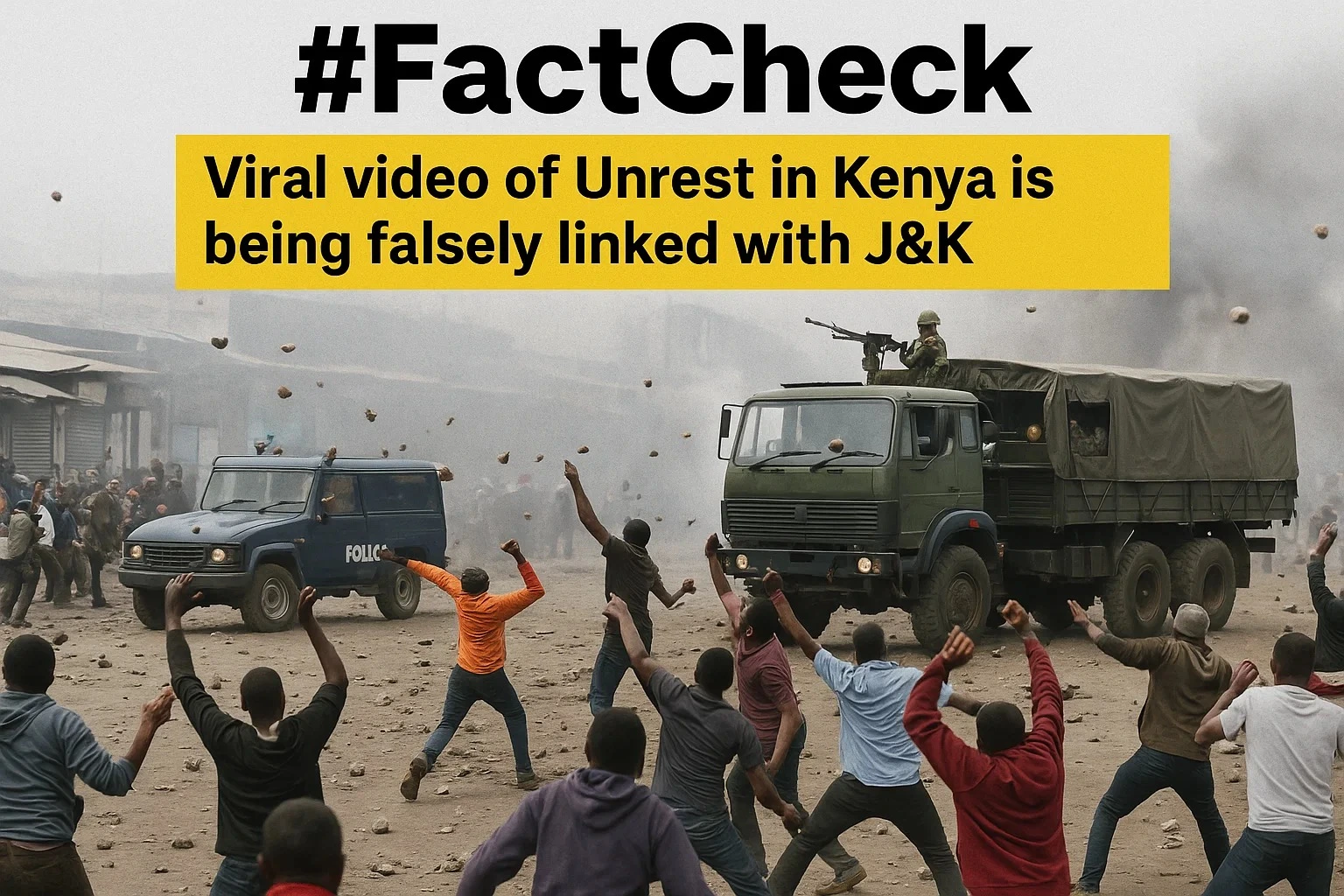
Executive Summary:
A video of people throwing rocks at vehicles is being shared widely on social media, claiming an incident of unrest in Jammu and Kashmir, India. However, our thorough research has revealed that the video is not from India, but from a protest in Kenya on 25 June 2025. Therefore, the video is misattributed and shared out of context to promote false information.
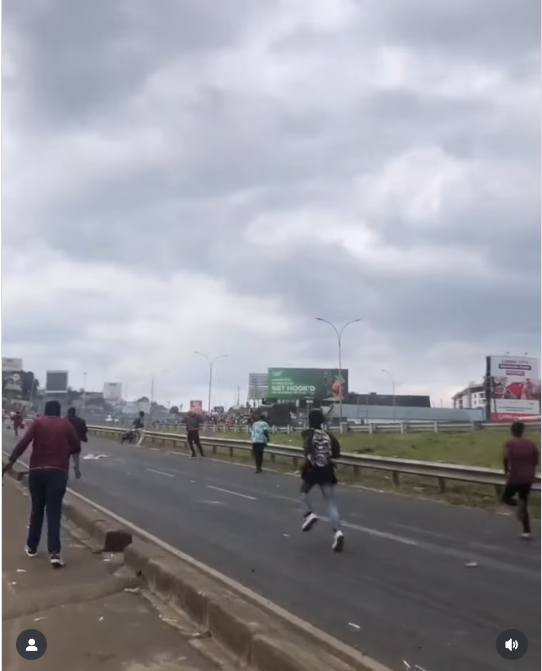
Claim:
The viral video shows people hurling stones at army or police vehicles and is claimed to be from Jammu and Kashmir, implying ongoing unrest and anti-government sentiment in the region.
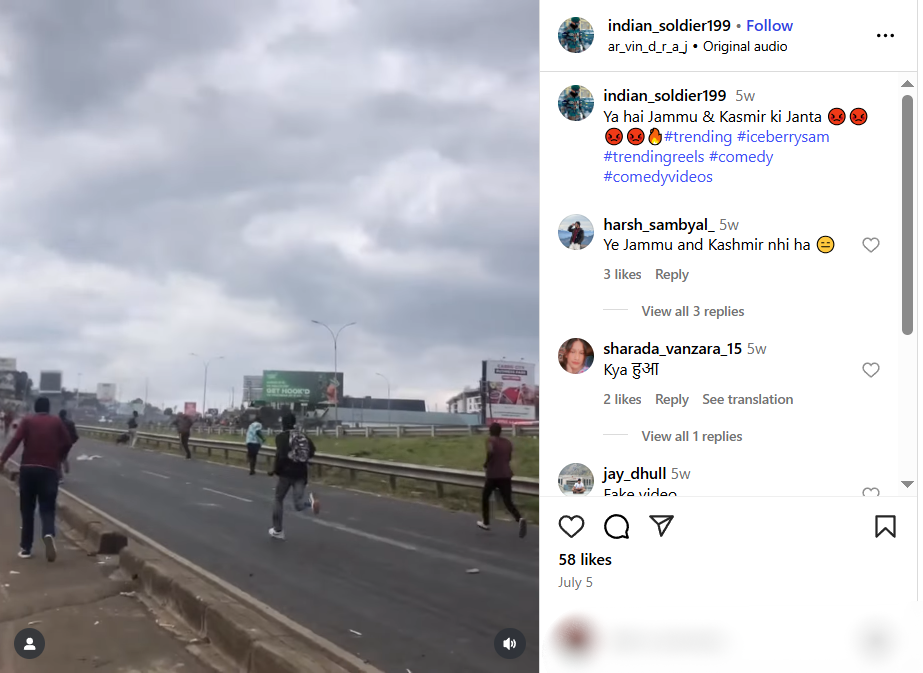
Fact Check:
To verify the validity of the viral statement, we did a reverse image search by taking key frames from the video. The results clearly demonstrated that the video was not sourced from Jammu and Kashmir as claimed, but rather it was consistent with footage from Nairobi, Kenya, where a significant protest took place on 25 June 2025. Protesters in Kenya had congregated to express their outrage against police brutality and government action, which ultimately led to violent clashes with police.
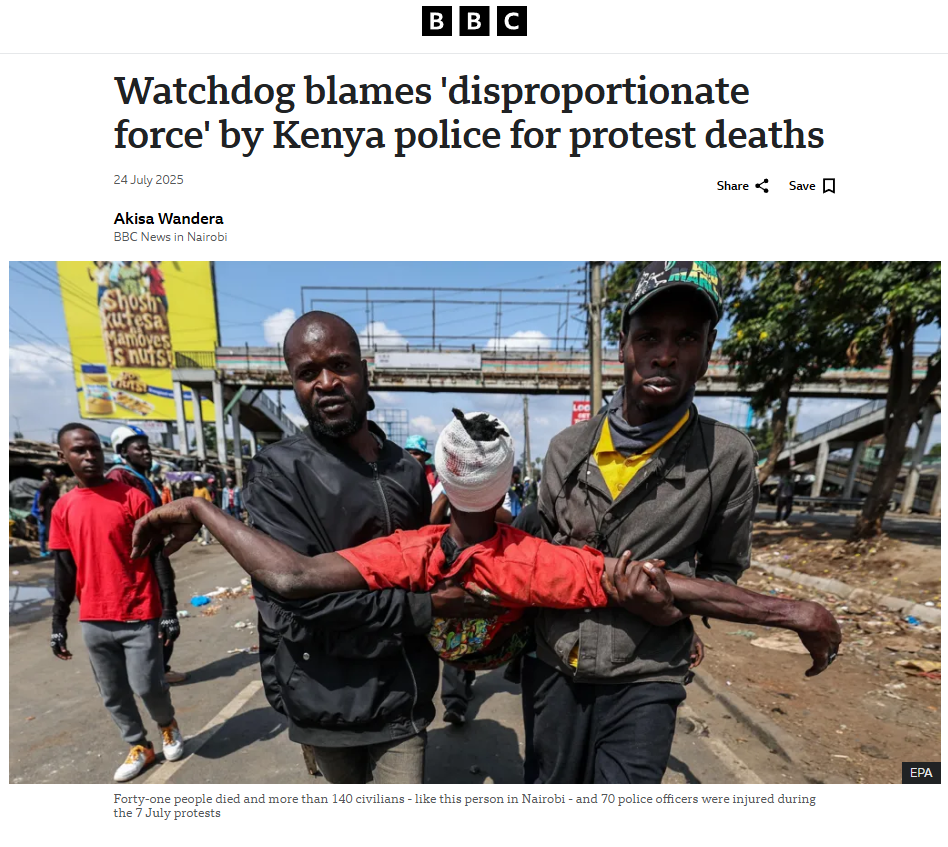
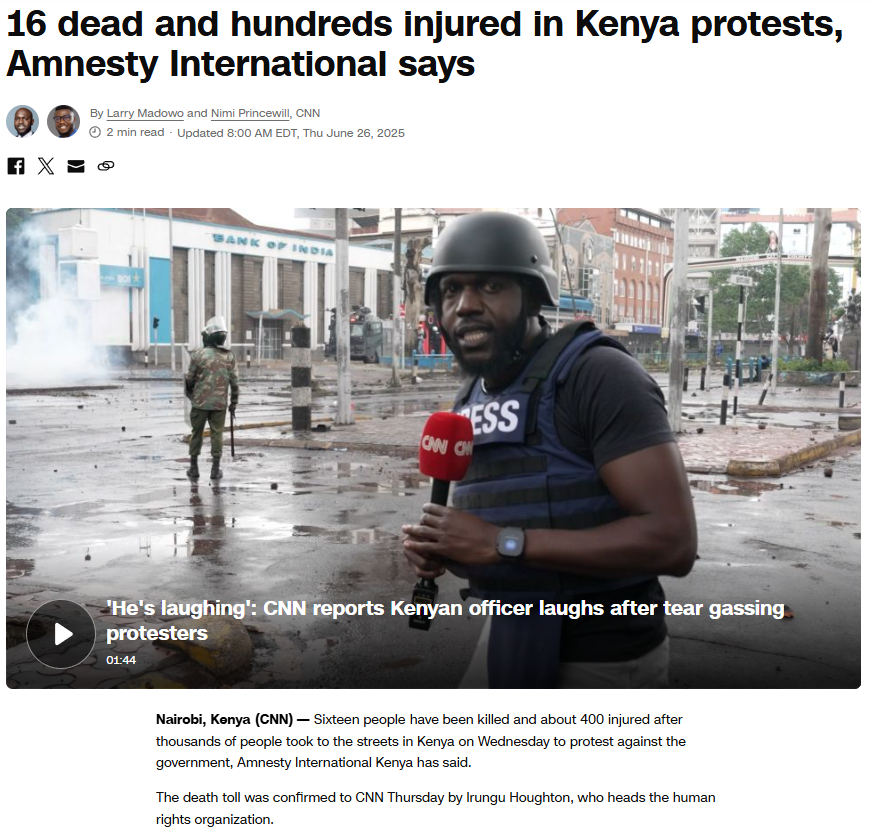
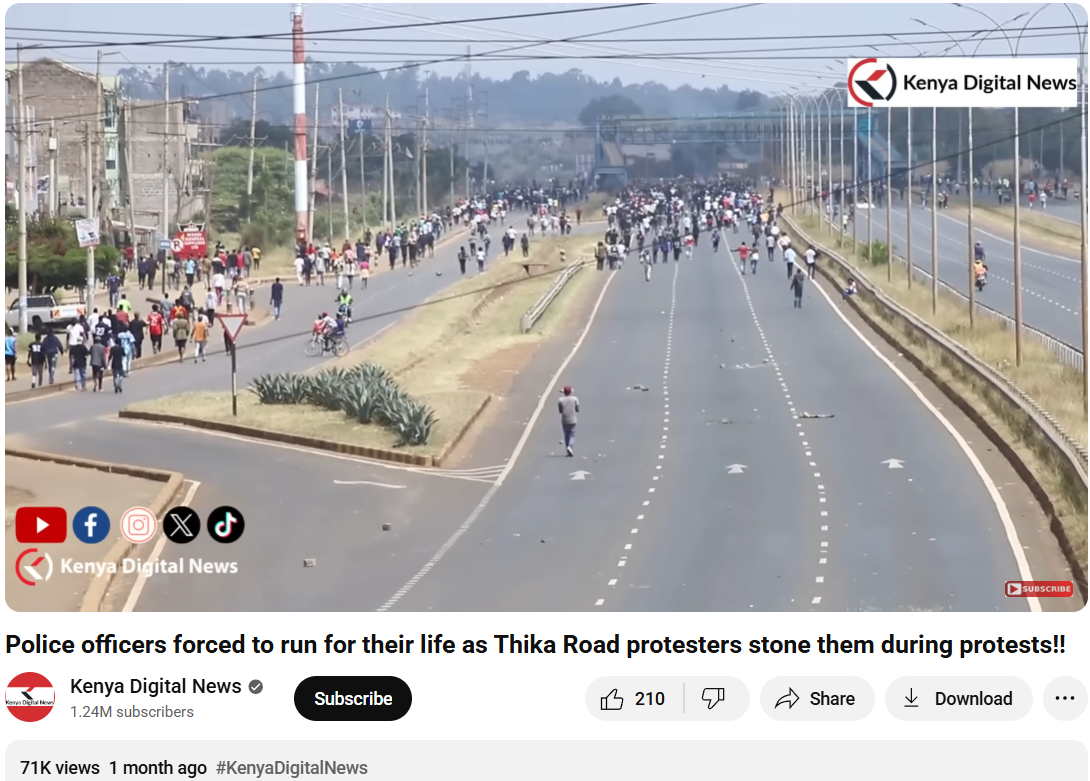
We also came across a YouTube video with similar news and frames. The protests were part of a broader anti-government movement to mark its one-year time period.
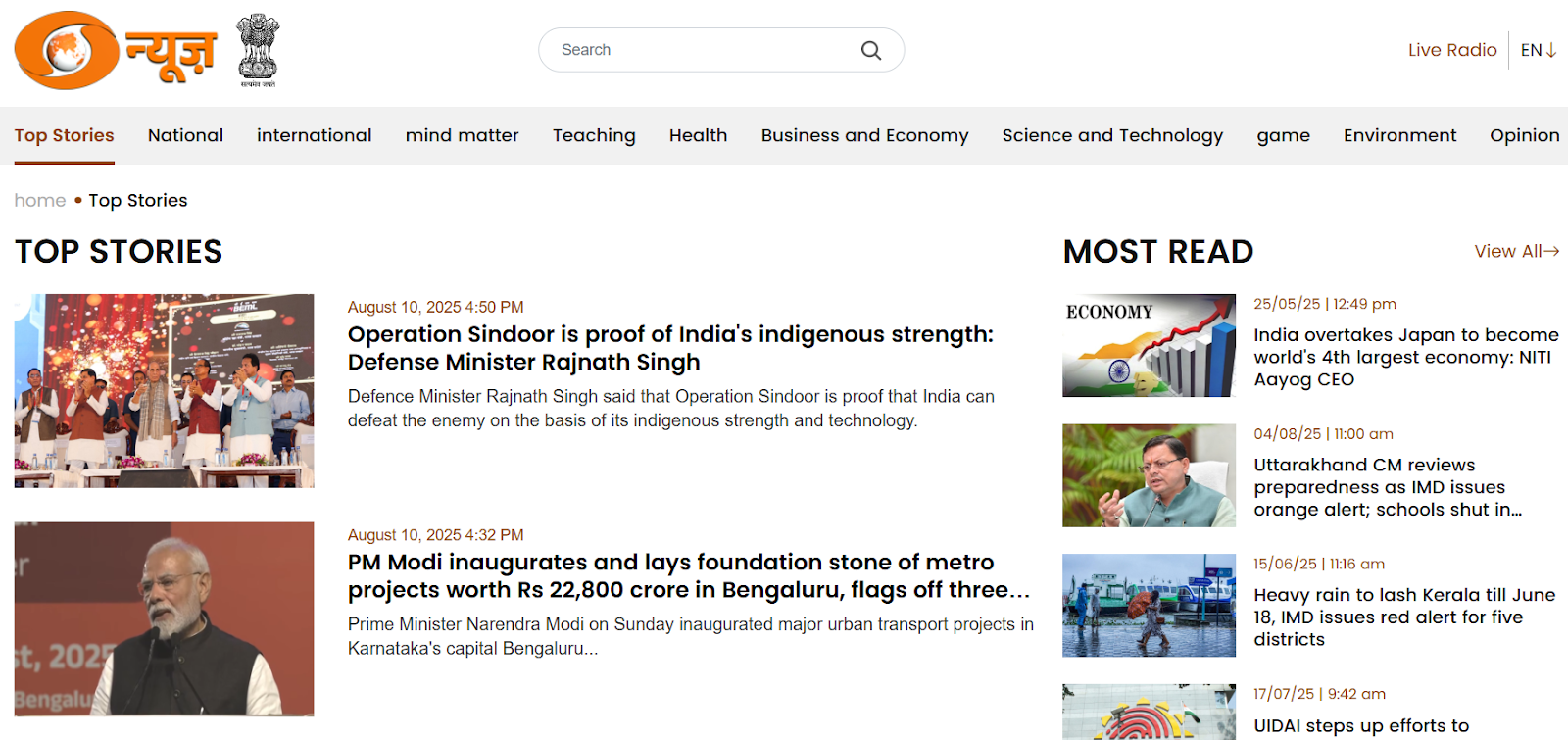
To support the context, we did a keyword search of any mob violence or recent unrest in J&K on a reputable Indian news source, But our search did not turn up any mention of protests or similar events in J&K around the relevant time. Based on this evidence, it is clear that the video has been intentionally misrepresented and is being circulated with false context to mislead viewers.
Conclusion:
The assertion that the viral video shows a protest in Jammu and Kashmir is incorrect. The video appears to be taken from a protest in Nairobi, Kenya, in June 2025. Labeling the video incorrectly only serves to spread misinformation and stir up uncalled for political emotions. Always be sure to verify where content is sourced from before you believe it or share it.
- Claim: Army faces heavy resistance from Kashmiri youth — the valley is in chaos.
- Claimed On: Social Media
- Fact Check: False and Misleading
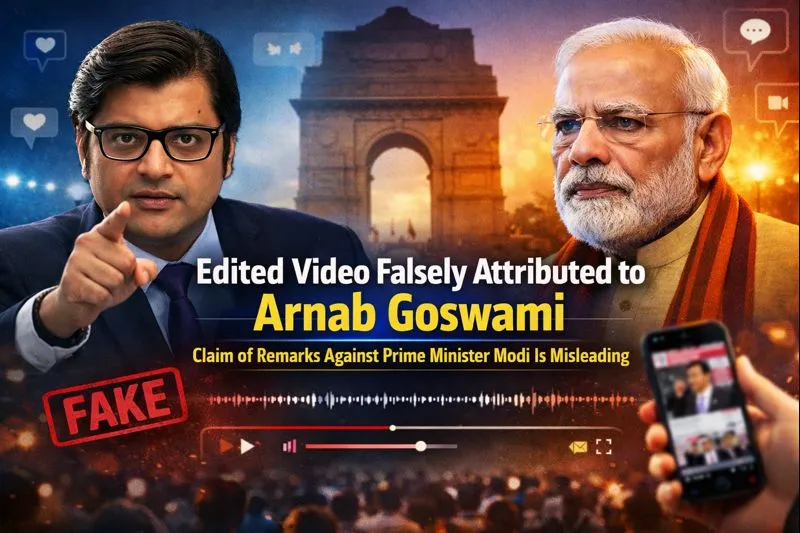
A video has been going viral on social media in recent days in which Republic TV’s Editor-in-Chief and anchor Arnab Goswami can allegedly be heard using objectionable language against Prime Minister Narendra Modi. While sharing the video, users are claiming that Arnab Goswami publicly made controversial remarks about the Prime Minister.
An investigation by CyberPeace Foundation found this claim to be completely false. Our probe revealed that the viral video is edited and is being circulated on social media with a misleading narrative. In the original video, Arnab Goswami was not making any personal statement; rather, he was referring to an old statement made by Congress leader Rahul Gandhi.
Viral Claim
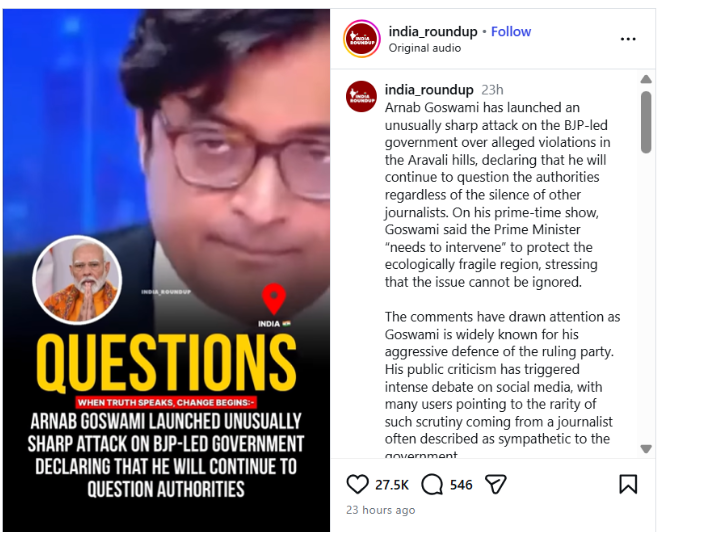
An Instagram user posted this video on 5 January 2026. In the video, a voice resembling Arnab Goswami is heard saying, “Ye jo Narendra Modi hain, ye chhe mahine baad ghar se nahi nikal paayenge aur Hindustan ke log inhein danda maarenge.”
(Translation: “This Narendra Modi will not be able to step out of his house after six months, and the people of India will beat him with sticks.”)
The post link, its archive link, and screenshots can be seen below:
- Instagram link: https://www.instagram.com/reel/DTHrO7bk7Rf/?igsh=MThzbzBlcm82eWN0ZA%3D%3D
- Archive link: https://archive.ph/oaYsf
Fact Check
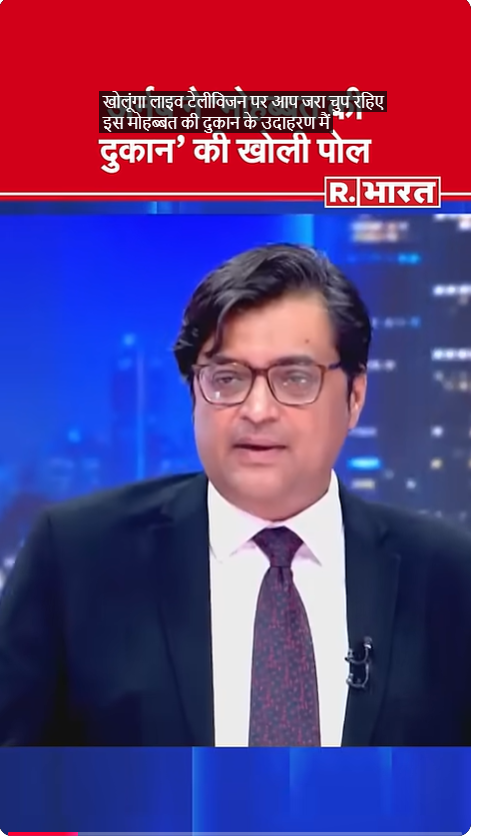
To verify the viral claim, we first examined the video using Google Lens search. During this process, we found a video published on 18 July 2024 on the official YouTube channel of Republic Bharat. The investigation revealed that this video is the longer (extended) version of the viral clip.
After carefully watching the full video, it became clear that Arnab Goswami was not making the statement himself. Instead, he was referring to a remark made by Congress leader Rahul Gandhi during the 2020 Delhi Assembly elections against Prime Minister Narendra Modi. This confirms that the viral video was clipped and presented out of context.
The related video link can be seen below: https://www.youtube.com/shorts/KlQV25-3l8s
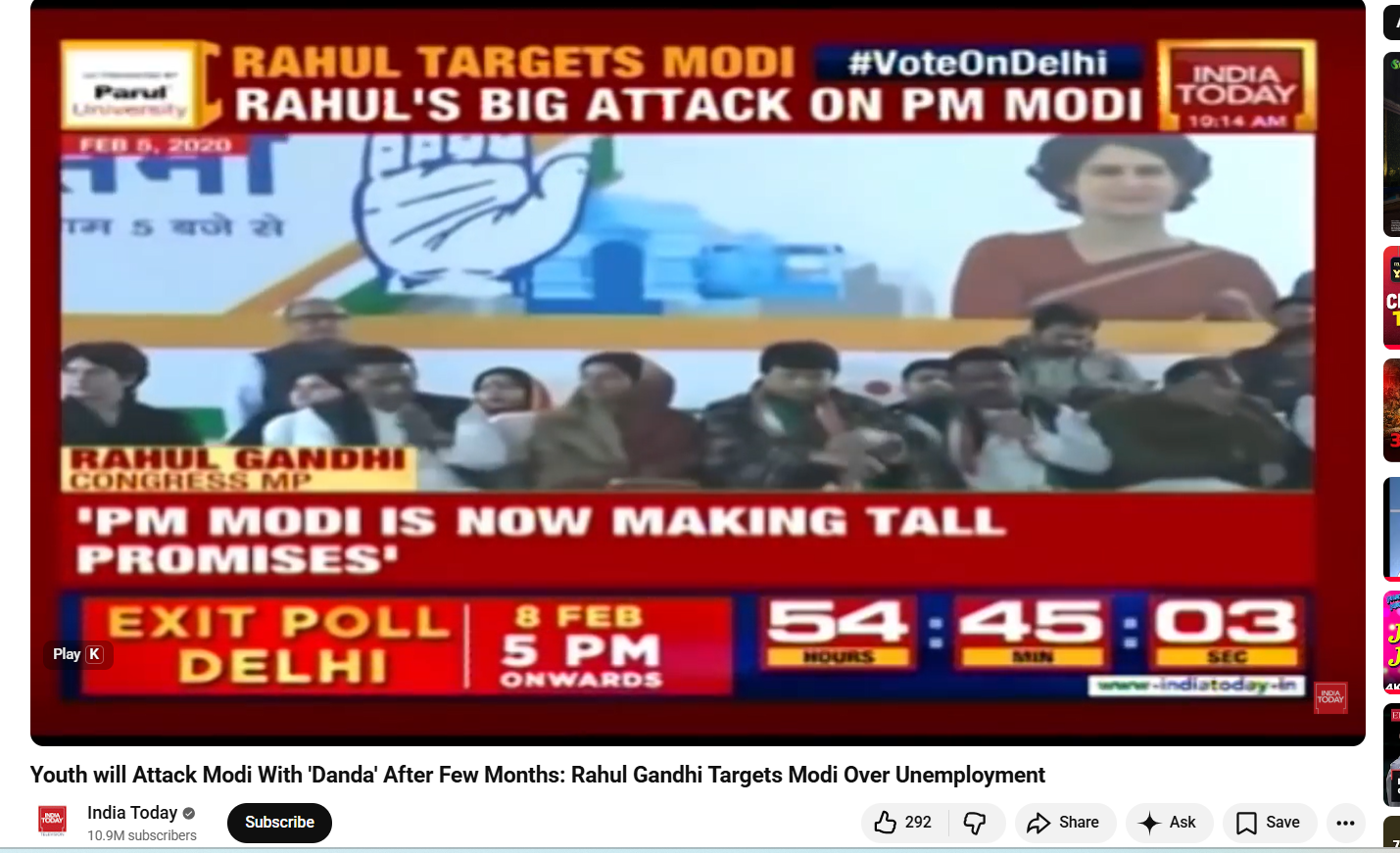
In the next step of the investigation, to verify whether Rahul Gandhi had indeed made such a statement, we conducted a customized keyword search on Google. During this, we found a video published on 6 February 2020 on the official YouTube channel of India Today.
In this video, recorded during a public event ahead of the 2020 Delhi Assembly elections, Rahul Gandhi is seen sharply attacking Prime Minister Narendra Modi, stating that if the Prime Minister fails to resolve the issue of unemployment in the country, the youth would beat him with sticks.
The video link is given below: https://www.youtube.com/watch?v=t5qCSA5nG9Y
Conclusion
The CyberPeace Foundation’s investigation found this claim to be completely fake. The viral video is edited and is being shared in a misleading context. In the original video, Arnab Goswami was referring to an old statement made by Rahul Gandhi, which was selectively clipped and presented in a way that falsely suggests Arnab Goswami himself made objectionable remarks against Prime Minister Narendra Modi.
