
Pioneers, Together: What the CyberPeace–Suraksha Catalyst Partnership Signals for Indo-US Cybersecurity

CyberPeace and Suraksha Catalyst: Building the Next Chapter of Indo-US Cybersecurity Collaboration
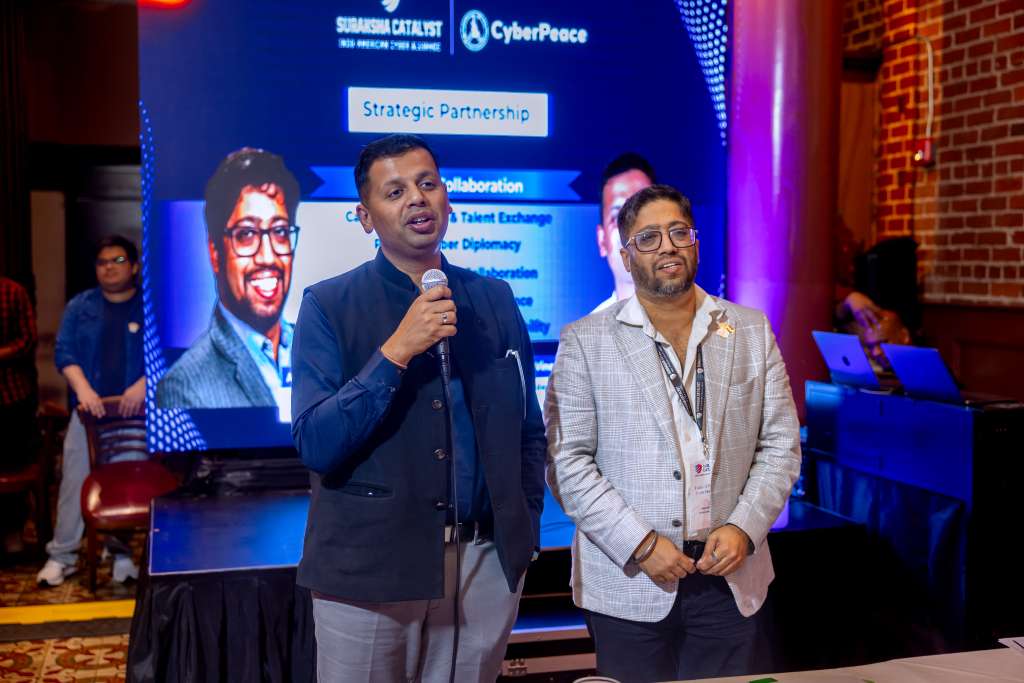
Some partnerships are transactional. Others are declarations of intent. The Memorandum of Understanding signed between CyberPeace and Suraksha Catalyst at the Indo-US Cyber Conclave 2026, held alongside the RSA Conference in San Francisco, belongs unmistakably to the latter category.
It represents more than two organisations agreeing to work together. It brings together two complementary approaches to cybersecurity—CyberPeace ’s community-centred mission and Suraksha Catalyst’s enterprise and Indo-US cybersecurity ecosystem—with a shared ambition to turn collaboration into measurable impact.
Why This Collaboration Is More Than Symbolic
It would be easy to view an MoU signed at a marquee international event as a ceremonial gesture. But the significance of this collaboration lies in what both organisations bring to the table.
CyberPeace brings deep experience in building cyber resilience across communities, institutions, students and other stakeholders. Its approach recognises that cybersecurity is not only a technical challenge; it is also a question of awareness, education, trust and collective responsibility.
Suraksha Catalyst brings a strong connection to cybersecurity leaders, industry and the broader Indo-American technology ecosystem. Its work helps create pathways between cybersecurity practitioners, enterprises, emerging innovators and strategic stakeholders.
Together, these capabilities create a bridge between community resilience and enterprise-grade cybersecurity, connecting education and awareness with industry exposure, mentorship and practical implementation.
The collaboration is already reflected in the NJ Youth Chapter Mentoring Program, which focuses on inspiring high school students to pursue cybersecurity careers while empowering them to strengthen cyber resilience in their own communities. The programme brings together industry mentors and young learners through a structured five-week journey.
This makes the partnership tangible: rather than limiting collaboration to institutional dialogue, it creates opportunities for young people to learn from cybersecurity professionals and then apply that knowledge in real-world environments.
Two Different Roads to the Same Frontier
CyberPeace has built its approach around the idea that a safer digital world requires participation from multiple layers of society. Its work extends beyond cybersecurity professionals to students, educators, communities and institutions.
Suraksha Catalyst approaches the same challenge through the industry and enterprise ecosystem, creating connections among cybersecurity leaders and organisations across India and the United States.
These different starting points converge around a common principle: cybersecurity resilience becomes stronger when knowledge, expertise and opportunity move across institutional boundaries.
The NJ Youth Chapter Mentoring Program is a strong example of this convergence.
Its first pillar, Mentor Connect, connects high school students with CISOs and security practitioners through weekly 30-minute virtual mentoring sessions. Its second pillar, Community Cyber Corps, encourages students to take what they learn and use it to raise cybersecurity awareness among local small businesses.
The model therefore moves beyond conventional mentoring. Students are not simply receiving knowledge; they are being encouraged to transform that knowledge into community impact.
From Mentoring to Real-World Experience
The programme follows a five-week journey, beginning with virtual mentoring, progressing to a business visit and concluding with a share-and-reflect phase.
This structure provides students with multiple dimensions of exposure:
Learn → Experience → Apply → Reflect
During the programme, participants engage with practical cybersecurity and AI topics including:
- Passwords and passkeys
- Responsible AI use
- AI-enabled phishing
- Patching and software updates
- Deepfake and voice fraud
- Network and Wi-Fi hygiene
- Incident response
- Prompt injection basics
- Vendor and supply-chain risk
These are not presented merely as theoretical cybersecurity concepts. Students are encouraged to understand how such risks manifest in everyday organisational environments and how individuals and businesses can respond.
Turning Young Learners into Community Cyber Ambassadors
Perhaps the most important dimension of the initiative is its emphasis on community impact.
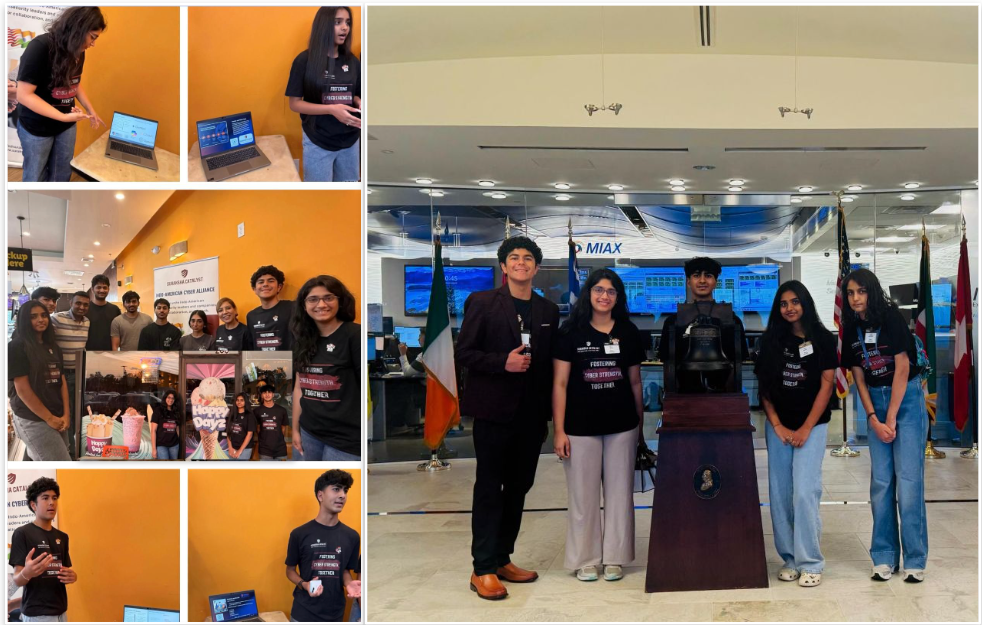
As part of the programme, mentees put their learning into practice by leading a hands-on AI and cybersecurity workshop for employees at a local business. They explored the cyber threat landscape, social engineering, safe browsing and responsible AI, while also gaining experience communicating cybersecurity concepts to a real business audience.
This creates a valuable two-way impact.
Students gain practical experience, confidence and exposure to professional cybersecurity environments. At the same time, local businesses receive access to cybersecurity and AI awareness guidance.
The underlying idea is simple but powerful: when young people are given both knowledge and the opportunity to lead, cybersecurity awareness can travel beyond the classroom and into the wider community.
Inside the Security Operations Center
The programme also provides participants with direct exposure to enterprise security operations.
During an SOC visit, mentees experienced cybersecurity and physical security operations firsthand, observed live threat dashboards and learned how access and infrastructure are secured. Industry professionals also walked them through their day-to-day responsibilities and answered their questions.
For students considering cybersecurity as a career, such exposure can make an otherwise abstract career path tangible. Seeing security professionals operate in real environments helps connect classroom learning with the realities of enterprise cybersecurity.
The Bigger Message
The partnership between CyberPeace and Suraksha Catalyst therefore carries a message that extends beyond the signing of an MoU.
Cybersecurity's most difficult challenges—from protecting communities and young people to strengthening businesses and developing the next generation of cybersecurity professionals—cannot be addressed by a single sector working independently.
They require civil society's reach, industry's expertise, mentors' experience and young people's energy to move in the same direction.
For CyberPeace collaboration with Suraksha Catalyst creates an opportunity to extend its mission of building a safer and more peaceful cyberspace into a broader Indo-US ecosystem.
For Suraksha Catalyst, the collaboration creates an opportunity to connect its industry-oriented ecosystem with community-level cybersecurity education and youth empowerment.
And for the students participating in initiatives such as the NJ Youth Chapter Mentoring Program, the partnership turns cybersecurity from something they simply study into something they can experience, communicate and apply.
From an MoU to a Movement
The real measure of this partnership will ultimately be what emerges from it: joint programmes, mentorship opportunities, community initiatives, knowledge exchange, research, capacity building and stronger connections between cybersecurity professionals and the next generation.
The NJ Youth Chapter Mentoring Program offers an early illustration of what that vision can look like in practice—industry mentors connecting with students, students engaging with real businesses, and young people taking cybersecurity knowledge back into their communities.
The Indo-US cybersecurity relationship is increasingly creating space for governments, enterprises, technology leaders, researchers, civil-society organisations and young innovators to contribute to a shared digital future.
The CyberPeace –Suraksha Catalyst collaboration adds another important layer to that ecosystem: connecting enterprise expertise with community resilience and youth empowerment.
Because the future of cybersecurity will not be shaped only by those who build the technology or defend the infrastructure. It will also be shaped by the people who learn, teach, mentor, question and carry that knowledge into the communities around them.
That is where this partnership has the potential to make its most meaningful contribution—not simply by signing an agreement, but by turning collaboration into capability, capability into confidence, and confidence into lasting cyber resilience.
Reference
- https://www.linkedin.com/posts/a-proud-milestone-for-suraksha-catalyst-share-7440575975614070784-THNR/
- https://surakshacatalyst.com/
- https://cyberpeace.org/

Related Blogs

Executive Summary
A video is being widely shared on social media showing a purported CRPF trooper accusing Prime Minister Narendra Modi and his government of corruption. In the video, the individual is also seen urging people to vote the BJP government out of power. CyberPeace Research Wing research found that the video was created using artificial intelligence (AI). There is no evidence that any CRPF personnel made such statements.
Claim
An Instagram user shared the viral video, claiming that a CRPF trooper was criticizing Prime Minister Narendra Modi and his government over corruption allegations. The post link, archived link, and screenshot are provided below. https://www.instagram.com/reels/DZ_dbj_SNTf/ , https://www.awesomescreenshot.com/video/53998219?key=46c661b505ba61d19e7d9be97a17c273
FactCheck
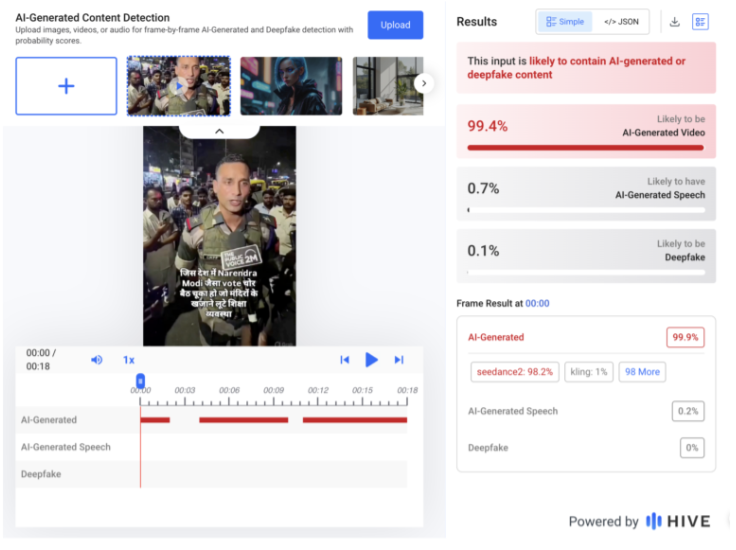
A closer examination of the video revealed several inconsistencies. The name tag on the uniform displayed only “CRPF,” which does not match the standard naming format used on official CRPF uniforms. Additionally, several faces visible in the background appeared blurred and distorted, which are common indicators of AI-generated content. We also noticed a visible Grok watermark in the bottom-right corner of the viral clip, suggesting that the video may have been generated or modified using artificial intelligence. Further analysis was conducted using Hive Moderation’s AI detection tool, which indicated the presence of AI-generated or deepfake elements in the video.

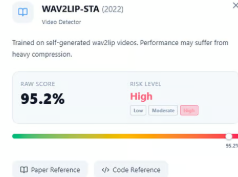
To further verify the authenticity of the clip, we analyzed it using Deepfake-O-Meter. The tool indicated a probability of more than 95 percent that the video was generated using artificial intelligence.
Conclusion
The viral video purportedly showing a CRPF trooper criticizing Prime Minister Narendra Modi and the BJP government is AI-generated. Multiple indicators, AI detection tools, and the clarification issued by the government’s PIB Fact Check confirm that the video is not authentic.

Executive Summary
An image of a purported new ₹500 plastic banknote is being widely shared on social media. Users claim that the Reserve Bank of India (RBI) has issued the new note and replaced Mahatma Gandhi’s portrait with the Ashoka Pillar.The CyberPeace Research Wing research found the claim to be misleading. The probe revealed that RBI has not issued any new ₹500 plastic banknote. Furthermore, no official announcement or decision has been made regarding the removal of Mahatma Gandhi’s portrait from Indian currency and its replacement with the Ashoka Pillar.
Claim
An Instagram user shared the viral image with the claim: “RBI has issued a ₹500 plastic note in which Mahatma Gandhi’s image has been removed and replaced with the Ashoka Pillar.” The claim has been widely circulated on social media, with many users sharing the image as genuine. The post link, archived version, and screenshot can be seen below.

Fact Check
To verify the claim, we conducted a keyword search on Google. However, we found no credible media reports suggesting that RBI had issued a new ₹500 plastic note featuring the Ashoka Pillar in place of Mahatma Gandhi. We then searched the official RBI website for any notification or announcement related to the claim. Our search yielded no official communication supporting the viral claim.
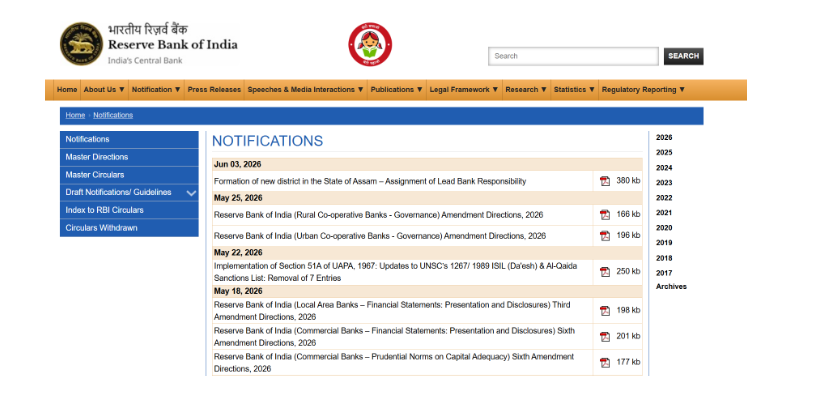
During the research, we also came across a report published by Business Standard. According to the report, the Reserve Bank of India is exploring the possibility of introducing polymer (plastic) currency notes in the future. The report states that RBI is studying and discussing the proposal in view of the growing global adoption of polymer notes and their greater durability. However, the report does not state that RBI has already issued a new ₹500 plastic note. Nor does it mention any decision to remove Mahatma Gandhi’s portrait from existing currency notes and replace it with the Ashoka Pillar.
- https://www.business-standard.com/finance/news/rbi-set-to-unveil-polymer-rupee-notes-amid-rising-currency-demand-126052801725_1.html

Conclusion
The research found that the viral claim is misleading. RBI has not issued any new ₹500 plastic banknote, and there has been no official announcement or decision to replace Mahatma Gandhi’s portrait on Indian currency with the Ashoka Pillar.

Introduction
The G7 nations, a group of the most powerful economies, have recently turned their attention to the critical issue of cybercrimes and (AI) Artificial Intelligence. G7 summit has provided an essential platform for discussing the threats and crimes occurring from AI and lack of cybersecurity. These nations have united to share their expertise, resources, diplomatic efforts and strategies to fight against cybercrimes. In this blog, we shall investigate the recent development and initiatives undertaken by G7 nations, exploring their joint efforts to combat cybercrime and navigate the evolving landscape of artificial intelligence. We shall also explore the new and emerging trends in cybersecurity, providing insights into ongoing challenges and innovative approaches adopted by the G7 nations and the wider international community.
G7 Nations and AI
Each of these nations have launched cooperative efforts and measures to combat cybercrime successfully. They intend to increase their collective capacities in detecting, preventing, and responding to cyber assaults by exchanging intelligence, best practices, and experience. G7 nations are attempting to develop a strong cybersecurity architecture capable of countering increasingly complex cyber-attacks through information-sharing platforms, collaborative training programs, and joint exercises.
The G7 Summit provided an important forum for in-depth debates on the role of artificial intelligence (AI) in cybersecurity. Recognising AI’s transformational potential, the G7 nations have participated in extensive discussions to investigate its advantages and address the related concerns, guaranteeing responsible research and use. The nation also recognises the ethical, legal, and security considerations of deploying AI cybersecurity.
Worldwide Rise of Ransomware
High-profile ransomware attacks have drawn global attention, emphasising the need to combat this expanding threat. These attacks have harmed organisations of all sizes and industries, leading to data breaches, operational outages, and, in some circumstances, the loss of sensitive information. The implications of such assaults go beyond financial loss, frequently resulting in reputational harm, legal penalties, and service delays that affect consumers, clients, and the public. The increase in high-profile ransomware incidents has garnered attention worldwide, Cybercriminals have adopted a multi-faceted approach to ransomware attacks, combining techniques such as phishing, exploit kits, and supply chain Using spear-phishing, exploit kits, and supply chain hacks to obtain unauthorised access to networks and spread the ransomware. This degree of expertise and flexibility presents a substantial challenge to organisations attempting to protect against such attacks.

Focusing On AI and Upcoming Threats
During the G7 summit, one of the key topics for discussion on the role of AI (Artificial Intelligence) in shaping the future, Leaders and policymakers discuss the benefits and dangers of AI adoption in cybersecurity. Recognising AI’s revolutionary capacity, they investigate its potential to improve defence capabilities, predict future threats, and secure vital infrastructure. Furthermore, the G7 countries emphasise the necessity of international collaboration in reaping the advantages of AI while reducing the hazards. They recognise that cyber dangers transcend national borders and must be combated together. Collaboration in areas such as exchanging threat intelligence, developing shared standards, and promoting best practices is emphasised to boost global cybersecurity defences. The G7 conference hopes to set a global agenda that encourages responsible AI research and deployment by emphasising the role of AI in cybersecurity. The summit’s sessions present a path for maximising AI’s promise while tackling the problems and dangers connected with its implementation.
As the G7 countries traverse the complicated convergence of AI and cybersecurity, their emphasis on collaboration, responsible practices, and innovation lays the groundwork for international collaboration in confronting growing cyber threats. The G7 countries aspire to establish robust and secure digital environments that defend essential infrastructure, protect individuals’ privacy, and encourage trust in the digital sphere by collaboratively leveraging the potential of AI.
Promoting Responsible Al development and usage
The G7 conference will focus on developing frameworks that encourage ethical AI development. This includes fostering openness, accountability, and justice in AI systems. The emphasis is on eliminating biases in data and algorithms and ensuring that AI technologies are inclusive and do not perpetuate or magnify existing societal imbalances.
Furthermore, the G7 nations recognise the necessity of privacy protection in the context of AI. Because AI systems frequently rely on massive volumes of personal data, summit speakers emphasise the importance of stringent data privacy legislation and protections. Discussions centre around finding the correct balance between using data for AI innovation, respecting individuals’ privacy rights, and protecting data security. In addition to responsible development, the G7 meeting emphasises the importance of responsible AI use. Leaders emphasise the importance of transparent and responsible AI governance frameworks, which may include regulatory measures and standards to ensure AI technology’s ethical and legal application. The goal is to defend individuals’ rights, limit the potential exploitation of AI, and retain public trust in AI-driven solutions.
The G7 nations support collaboration among governments, businesses, academia, and civil society to foster responsible AI development and use. They stress the significance of sharing best practices, exchanging information, and developing international standards to promote ethical AI concepts and responsible practices across boundaries. The G7 nations hope to build the global AI environment in a way that prioritises human values, protects individual rights, and develops trust in AI technology by fostering responsible AI development and usage. They work together to guarantee that AI is a force for a good while reducing risks and resolving social issues related to its implementation.
Challenges on the way
During the summit, the nations, while the G7 countries are committed to combating cybercrime and developing responsible AI development, they confront several hurdles in their efforts. Some of them are:
A Rapidly Changing Cyber Threat Environment: Cybercriminals’ strategies and methods are always developing, as is the nature of cyber threats. The G7 countries must keep up with new threats and ensure their cybersecurity safeguards remain effective and adaptable.
Cross-Border Coordination: Cybercrime knows no borders, and successful cybersecurity necessitates international collaboration. On the other hand, coordinating activities among nations with various legal structures, regulatory environments, and agendas can be difficult. Harmonising rules, exchanging information, and developing confidence across states are crucial for effective collaboration.
Talent Shortage and Skills Gap: The field of cybersecurity and AI knowledge necessitates highly qualified personnel. However, skilled individuals in these fields need more supply. The G7 nations must attract and nurture people, provide training programs, and support research and innovation to narrow the skills gap.
Keeping Up with Technological Advancements: Technology changes at a rapid rate, and cyber-attacks become more complex. The G7 nations must ensure that their laws, legislation, and cybersecurity plans stay relevant and adaptive to keep up with future technologies such as AI, quantum computing, and IoT, which may both empower and challenge cybersecurity efforts.
Conclusion
To combat cyber threats effectively, support responsible AI development, and establish a robust cybersecurity ecosystem, the G7 nations must constantly analyse and adjust their strategy. By aggressively tackling these concerns, the G7 nations can improve their collective cybersecurity capabilities and defend their citizens’ and global stakeholders’ digital infrastructure and interests.
