#FactCheck-Mock drill video falsely linked to death of Indian sailor in Gulf of Oman
Executive Summary
Amid reports of attacks on ships in the Gulf of Oman that led to the death of three Indian nationals, a video showing a person lying injured on a ship is being widely circulated on social media. The clip is being shared with the claim that the United States sent the body of a deceased Indian sailor to India in a “wrapped” condition. CyberPeace Research Wing research found the claim to be misleading. The viral video is unrelated to any recent incident involving Indian nationals and is, in fact, from a mock drill conducted on board a ship.
Claim:
An Instagram user ‘fakirchand.sharma’ shared the video on June 15, 2026, claiming that an Indian sailor, identified as Nishant Urthnathan, died due to health complications on a vessel anchored at Duqm port, Oman. The post further alleged that the United States returned the body in a “wrapped” condition, sparking outrage on social media. https://www.instagram.com/fakirchand.sharma/reel/DZlsxj9TIaS , https://perma.cc/C9SF-J8ZR

Fact Check:
A reverse image search of keyframes from the viral video led to an Instagram account ‘bipul_raja_vlogs’, where the same video was posted on June 10, 2026. The original caption clearly stated that the visuals were from a fire drill conducted on board a ship. https://www.instagram.com/p/DZbnZlGPAlL

Further posts from the same account on June 15 and June 17, 2026, also show similar mock drill visuals and clarify that the content is being misused online. The account features multiple posts related to routine ship operations and training exercises. https://www.instagram.com/p/DZnEXOzCc2X


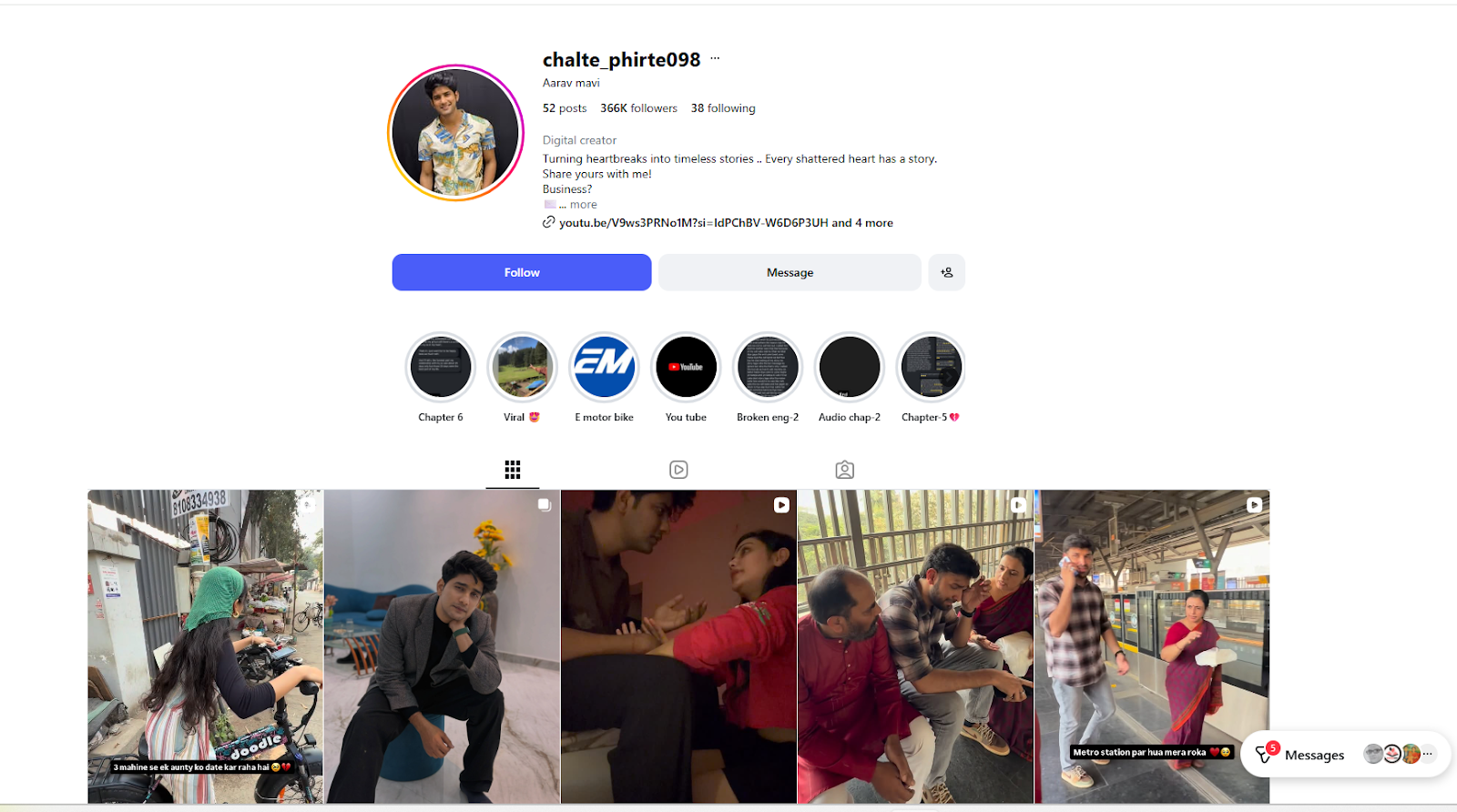
The profile also contains several other photos and videos of crew members working on the ship. We also checked the YouTube channel linked in this profile, “Sunnybabu,” where a mock drill video was uploaded on January 21, 2026. https://www.instagram.com/bipul_raja_vlogs

Conclusion:
The research confirms that the viral video is unrelated to the death of any Indian sailor in the Gulf of Oman. The clip actually shows a mock drill conducted on a ship and is being falsely shared with a misleading narrative.
Related Blogs

Introduction
India officially became part of the US-led Pax Silica project on February 20, 2026, at the India AI Impact Summit in New Delhi. This was a significant milestone in India’s involvement in global technology and supply chain cooperation. India joined a coalition of advanced economies by signing the Pax Silica Declaration in a move aimed at strengthening coordination over technology supply chains on which artificial intelligence, semiconductors, critical minerals and advanced manufacturing rely. The entry of India into the global technology landscape is indicative of India’s growing role in the global technology order and reflects broader shifts in how countries are responding to the geopolitics of silicon and AI infrastructure.
What Is Pax Silica and Why It Matters
The United States Department of State introduced Pax Silica as a strategic program launched in December 2025. It seeks to establish safe, resilient and innovation-driven supply chains for emerging technologies that are the foundations of the AI era. This encompasses activities ranging from mining and refining of rare earths, gallium and germanium to semiconductor manufacturing, the creation of advanced computing hardware and energy infrastructure. The project describes cooperation as a method of reducing what are termed as coercive dependencies on any one supplier or economy, thereby supporting sustained access to building blocks of state-of-the-art technology.
Pax Silica derives its name from the Latin terms for 'peace' and the substrate material of 'silicon', meaning that the coalition aims at achieving stability and prosperity by working together in supply chains of technology. Early signatories were the United States, Japan, South Korea, Australia, the United Kingdom, Israel, Singapore, the Netherlands, Greece, Qatar and the United Arab Emirates. India was the twelfth member to sign the declaration.
India’s Strategic Interests in Pax Silica
The move to join Pax Silica is both a diplomatic and economic decision. The incorporation of India into a network led ostensibly by the Western bloc and containing developed economy players in the technological supply chain creates the messaging that it wants to be more deeply integrated into the global high-tech ecosystems.
India currently relies on importing a large proportion of the chips for its electronics production sector, while its domestic manufacturing capacity remains limited. Pax Silica membership could provide Indian firms with advanced manufacturing equipment, process expertise and joint ventures with their partners, who have already developed the fabrication capabilities.
The signing of the declaration was done by the current Union Minister of Electronics and Information Technology (MeitY) , the Union Minister, who noted that India is expanding its technological capabilities and future ambitions. He observed that the Indian engineers already play a role in designing advanced semiconductor chips and that the increase in semiconductor capacity will demand a professional workforce. He also emphasised that the availability of international tools and alliances would help accelerate India’s growth in this sector.
Another strategic area is the critical minerals. India is estimated to have significant rare earth reserves, but the resources remain largely underdeveloped. The diversification strategy of Pax Silica in terms of supply and processing routes provides India with an opportunity to have joint ventures and infrastructure projects that could help unlock domestic mineral potential within the country.
Supply Chains, AI, and Geopolitical Context
Pax Silica has emerged within a broader geopolitical and supply chain context rather than as a purely economic initiative. The last few years have placed a strain on global technology supply chains with disruptions caused by pandemics, trade tensions, export controls, and the concentrated control of some components of the value chain. China currently dominates in the refinement of rare earths as well as in a variety of legacy semiconductor manufacturing. The concentration has raised concerns about resilience and strategic autonomy among the technology-producing democracies.
This initiative is based on the premise that a diversified and trusted supply chain will make the economic security of countries participating in Pax Silica more secure in case of a trade embargo or as a tool of political leverage. The voluntary and non-binding framework by the coalition only provides a guide to cooperation instead of a binding commitment, though it highlights an acknowledgement of risk and opportunity in global technology markets.
Such concerns as strategic autonomy and the extent of India’s involvement in the initiative have been expressed by those who criticise it, particularly because the coalition is perceived to be partially designed to respond to Chinese dominance in the most important technological sectors. Some analysts have also suggested that India will have to balance its participation in Pax Silica by taking special care of its own interests and alliances outside this coalition.
Economic and Industrial Implications for India
Joining Pax Silica offers India potential benefits on multiple fronts.
Strengthening Innovation and Manufacturing Ecosystems
India's membership will allow cooperation in semiconductor production, development of advanced computing infrastructure and implementation of AI. The government and industry players could attract investments through partnerships, technology transfer and joint R&D. India’s emerging design and fabrication projects could use a greater international integration in this venture.
Talent and Skills Development
A recurring theme among Indian policymakers is the issue of a skilled workforce. As the world semiconductor and AI sector is expected to need millions of specialists in the next 10 years, India’s large talent pool presents an opportunity to produce local talent that is capable of catering to local demands as well as international supply needs. Initiatives linked to Pax Silica have the potential to establish training pathways and institutional bridges that facilitate workforce preparedness.
Diversification of Supply Partnerships
In the case of India, the diversification of suppliers and partners goes beyond the availability of materials and technologies. It also implies reducing exposure to supply shocks and enhancing resilience in important industries such as consumer electronics, automotive manufacturing, defence systems and digital infrastructure, all of which rely on semiconductors and advanced computing hardware.
Broader Industrial Readiness and Domestic Challenges
India’s participation in Pax Silica highlights the domestic conditions required to support advanced technology manufacturing. A conducive environment will depend on reliable infrastructure, regulatory stability, specialised industrial clusters and sustained policy coordination across government and industry. Semiconductor and AI hardware production are resource-intensive, requiring significant energy, water and chemical management, making environmental safeguards and sustainable industrial planning essential to prevent long-term ecological strain.
At the same time, India faces gaps in its human resource development ecosystem. While engineering talent is abundant, specialised training in semiconductor fabrication, materials science and advanced manufacturing remains limited. Additionally, the relative lack of applied research and development initiatives aimed at reducing technological and financial risks may constrain large-scale industrial expansion, underscoring the need for stronger industry–academia collaboration and targeted innovation support.
Conclusion: A Strategic Step into the AI Era
India’s formal entry into the Pax Silica initiative at the 2026 India AI Impact Summit reflects a thoughtful recalibration of its global technology engagement. By aligning with a coalition aimed at securing the supply chains that make modern digital economies possible, India has signalled its intent to be more than just a consumer of technology. It seeks to help shape the infrastructure, partnerships and norms that will define the next generation of AI, semiconductors and critical technologies.
While questions around strategic autonomy and long-term dependencies remain important considerations, Pax Silica offers India access to networks, capabilities and collaborative frameworks that can accelerate its semiconductor ambitions and broaden its role in the global tech order. The move underscores how technology cooperation today increasingly interacts with geopolitics, economic strategy and national aspirations for growth and innovation.
Sources
- https://timesofindia.indiatimes.com/technology/tech-news/what-is-pax-silica-and-why-does-india-joining-the-ai-supply-chain-alliance-matter/articleshow/128594775.cms
- https://paxsilica.org/f/pax-silica-securing-the-foundations-of-the-ai-era
- https://www.businesstoday.in/india/story/ai-impact-summit-2026-india-set-to-join-us-led-pax-silica-today-517167-2026-02-20
- https://www.business-standard.com/india-news/pax-silica-india-joins-us-supply-chain-initiative-ai-impact-summit-2026-126022000339_1.html

Introduction
As we navigate the digital realm that offers unlimited opportunities, it also exposes us to potential cyber threats and scams. A recent incident involving a businessman in Pune serves as a stark reminder of this reality. The victim fell prey to a sophisticated online impersonation fraud, where a cunning criminal posed as a high-ranking official from Hindustan Petroleum Corporation Limited (HPCL). This cautionary tale exposes the inner workings of the scam and highlights the critical need for constant vigilance in the virtual world.
Unveiling the scam
It all began with a phone call received by the victim, who lives in Taware Colony, Pune, on September 5, 2023. The caller, who identified himself as "Manish Pande, department head of HPCL," lured the victim by taking advantage of his online search for an LPG agency. With persuasive tactics, the fraudster claimed to be on the lookout for potential partners.
When a Pune man received a call on September 5, 2023. The caller, who introduced himself as “department head of HPCL”, was actually a cunning fraudster. It turns out, the victim had been searching for an LPG agency online, which the fraudster cleverly used to his advantage. In a twisted plot, the fraudster pretended to be looking for potential locations to establish a new LPG cylinder agency in Pune.
Enthralled by the illusion
The victim fell for the scam, convinced by the mere presence of "HPCL" in the bank account's name. Firstly victim transferred Rs 14,500 online as “registration fees”. Things got worse when, without suspicion, the victim obediently transferred Rs 1,48,200 on September 11 for a so-called "dealership certificate." To add to the charade of legitimacy, the fraudster even sent the victim registration and dealership certificates via email.
Adding to the deception, the fraudster, who had targeted the victim after discovering his online inquiry, requested photos of the victim's property and personal documents, including Aadhaar and PAN cards, educational certificates, and a cancelled cheque. These seemingly legitimate requests only served to reinforce the victim's belief in the scam.
The fraudster said they were looking for a place to allot a new LPG cylinder agency in Pune and would like to see if the victim’s place fits in their criteria. The victim agreed as it was a profitable business opportunity. The fraudster called the victim to “confirm” that his documents have been verified and assured that HPCL would be allotting him an LPG cylinder agency. On September 12, the fraudster again demanded a sum of money, this time for the issuance of an "HPCL license."
As the victim responded that he did not have the money, the fraudster insisted on an immediate payment of at least 50 per cent of the stipulated amount. So the victim transferred Rs 1,95,200 online. On the following day the 13th of September 2023, the fraudster asked the victim for the remaining amount. The victim said he would arrange the money in a few days. Meanwhile, on the same day, the victim went to the HPCL’s office in the Pune Camp area with the documents he had received through the emails. The HPCL employees confirmed these documents were fake, even though they looked very similar to the originals. The disclosure was a pivotal moment, causing the victim to fully comprehend the magnitude of the deceit and ultimately pursue further measures against the cybercriminal.
Best Practices
- Ensuring Caller Identity- Prioritize confirming the identity of anyone reaching out to you, especially when conducting financial transactions. Hold back from divulging confidential information until you have verified the credibility of the request.
- Utilize Official Channels- Communicate with businesses or governmental organizations through their verified contact details found on their official websites or trustworthy sources. Avoid solely relying on information gathered from online searches.
- Maintaining Skepticism with Unsolicited Communication- Exercise caution when approached by unexpected calls or emails, particularly those related to monetary transactions. Beware of manipulative tactics used by scammers to pressure swift decisions.
- Double-Check Information- To ensure accuracy, it is important to validate the information given by the caller on your own. This can be done by double-checking and cross-referencing the details with the official source. If you come across any suspicious activities, do not hesitate to report it to the proper authorities.
- Report Suspicious Activities- Reporting can aid in conducting investigations and providing assistance to the victim and also preventing similar incidents from occurring. It is crucially important to promptly report cyber crimes so law enforcement agencies can take appropriate action. A powerful resource available to victims of cybercrime is the National Cyber Crime Reporting Portal, equipped with a 24x7 helpline number, 1930. This portal serves as a centralized platform for reporting cybercrimes, including financial fraud.
Conclusion
This alarming event serves as a powerful wake-up call to the constant danger posed by online fraud. It is crucial for individuals to remain sceptical, diligently verifying the credibility of unsolicited contacts and steering clear of sharing personal information on the internet. As technology continues to evolve, so do the strategies of cyber criminals, heightening the need for users to stay on guard and knowledgeable in the complex digital world.
References:
- https://indianexpress.com/article/cities/pune/cybercriminal-posing-hindustan-petroleum-official-cheat-pune-man-9081057/
- https://www.timesnownews.com/mirror-now/crime/pune-man-duped-of-rs-3-5-lakh-by-cyber-fraudster-impersonating-hpcl-official-article-106253358

Introduction
In July 2025, the Digital Trust & Safety Partnership (DTSP) achieved a significant milestone with the formal acceptance of its Safe Framework Specification as an international standard, ISO/IEC 25389. This is the first globally recognised standard that is exclusively concerned with guaranteeing a secure online experience for the general public's use of digital goods and services.
Significance of the New Framework
Fundamentally, ISO/IEC 25389 provides organisations with an organised framework for recognising, controlling, and reducing risks associated with conduct or content. This standard, which was created under the direction of ISO/IEC's Joint Technical Committee 1 (JTC 1), integrates the best practices of DTSP and offers a precise way to evaluate organisational maturity in terms of safety and trust. Crucially, it offers the first unified international benchmark, allowing organisations globally to coordinate on common safety pledges and regularly assess progress.
Other Noteworthy Standards and Frameworks
While ISO/IEC 25389 is pioneering, it’s not the only framework shaping digital trust and safety:
- One of the main outcomes of the United Nations’ 2024 Summit for the Future was the UN's Global Digital Compact, which describes cross-border cooperation on secure and reliable digital environments with an emphasis on countering harmful content, upholding online human rights, and creating accountability standards.
- The World Economic Forum’s Digital Trust Framework defines the goals and values, such as cybersecurity, privacy, transparency, redressability, auditability, fairness, interoperability and safety, implicit to the concept of digital trust. It also provides a roadmap to digital trustworthiness that imbibes these dimensions.
- The Framework for Integrity, Security and Trust (FIST) launched at the Cybereace Summit 2023 at USI of India in New Delhi, calls for a multistakeholder approach to co-create solutions and best practices for digital trust and safety.
- While still in the finalisation stage for implementation rollout, India's Digital Personal Data Protection Act, 2023 (DPDP Act) and its Rules (2025) aim to strike a balance between individual rights and data processing needs by establishing a groundwork for data security and privacy.
- India is developing frameworks in cutting-edge technologies like artificial intelligence. Using a hub-and-spoke model under the IndiaAI Mission, the AI Safety Institute was established in early 2025 with the goal of creating standards for trustworthy, moral, and safe AI systems. Furthermore, AI standards with an emphasis on safety and dependability are being drafted by the Bureau of Indian Standards (BIS).
- Google's DigiKavach program (2023) and Google Safety Engineering Centre (GSEC) in Hyderabad are concrete efforts to support digital safety and fraud prevention in India's tech sector.
What It Means for India
India is already claiming its place in discussions about safety and trust around the world. Google's June 2025 safety charter for India, for example, highlights how India's distinct digital scale, diversity, and vast threat landscape provide insights that inform global cybersecurity strategies.
For India's digital ecosystem, ISO/IEC 25389 comes at a critical juncture. Global best practices in safety and trust are desperately needed as a result of the rapid adoption of digital technologies, including the growth of digital payments, e-governance, and artificial intelligence and a concomitant rise in instances of digital harms. Through its guidelines, ISO/IEC 25389 provides a reference benchmark that Indian startups, government agencies, and tech companies can use to improve their safety standards.
Conclusion
A global trust-and-safety standard like ISO/IEC 25389 is essential for making technology safer for people, even as we discuss the broader adoption of security and safety-by-design principles integrated into the processes of technological product development. India can improve user protection, build its reputation globally, and solidify its position as a key player in the creation of a safer, more resilient digital future by implementing this framework in tandem with its growing domestic regulatory framework (such as the DPDP Act and AI Safety policies).
References
- https://dtspartnership.org/the-safe-framework-specification/
- https://dtspartnership.org/press-releases/dtsps-safe-framework-published-as-an-international-standard/?
- https://www.weforum.org/stories/2024/04/united-nations-global-digital-compact-trust-security/?
- https://economictimes.indiatimes.com/tech/technology/google-releases-safety-charter-for-india-senior-exec-details-top-cyber-threat-actors-in-the-country/articleshow/121903651.cms?
- https://initiatives.weforum.org/digital-trust/framework
- https://government.economictimes.indiatimes.com/news/secure-india/the-launch-of-fist-framework-for-integrity-security-and-trust/103302090