
#FactCheck -Viral Claim That Yogi Adityanath Urged People Not to Watch Shah Rukh Khan’s Films Is Misleading
Executive Summary
A video circulating on social media allegedly shows Uttar Pradesh Chief Minister Yogi Adityanath criticizing Bollywood actor Shah Rukh Khan and asking people not to watch his films. Users sharing the clip claim that these statements are recent. CyberPeace’s research has found the claim to be misleading. research revealed that the video is from 2015, long before Yogi Adityanath became the Chief Minister of Uttar Pradesh. At that time, he was serving as a Member of Parliament from Gorakhpur.
Claim
On January 13, 2026, a Facebook user shared the video with the caption: "A clear message from the Hon’ble Chief Minister of Uttar Pradesh, Param Pujya Mahant Yogi Adityanath, urging people not to watch Shah Rukh Khan’s movie. Share this message widely, send it to all groups you are part of, and inform the youth in your family."

Fact Check:
To verify the claim, keyframes from the viral video were extracted and reverse-searched using Google Lens. The same video was found in a Facebook post dated March 28, 2022, where it was shared with the caption: "Baba Ji’s message to not watch Shah Rukh Khan’s ‘Pathaan’ movie."

Further research traced the video to Aaj Tak’s website, which reported on November 4, 2015, that then-BJP MP Yogi Adityanath criticized Shah Rukh Khan, comparing his language to that of terrorist Hafiz Saeed, stating that there was no difference in their statements.
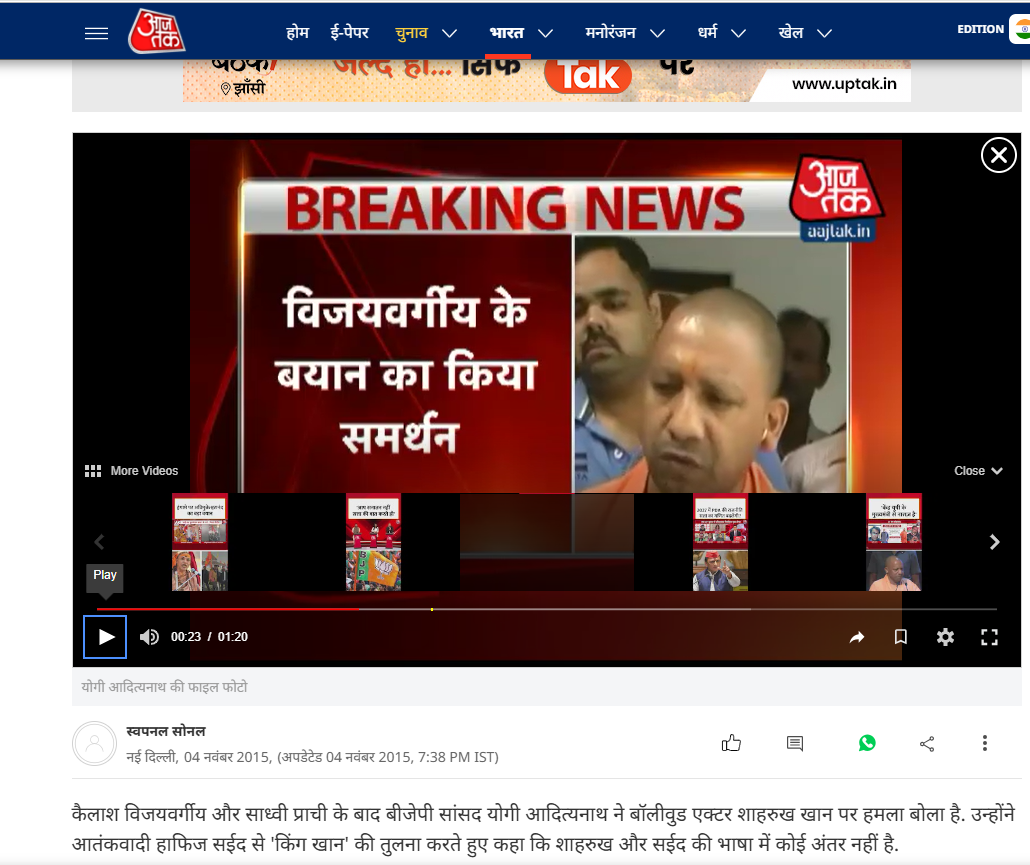
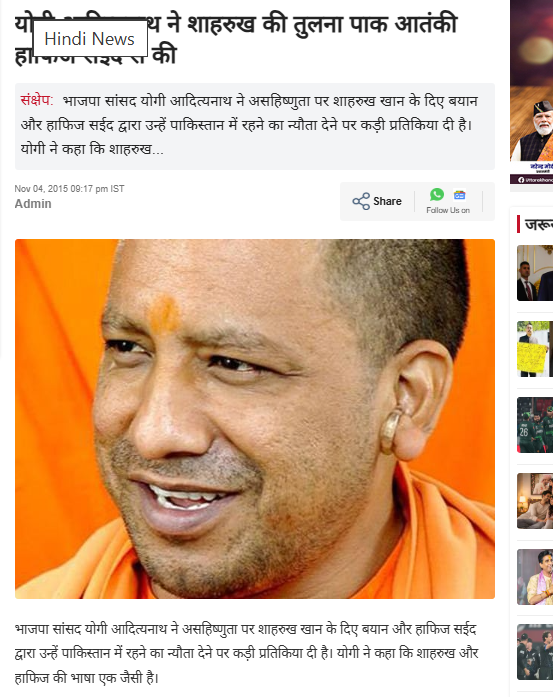
A Live Hindustan report from the same date confirmed that Yogi Adityanath had strongly reacted to Shah Rukh Khan’s comments on rising intolerance in India and Hafiz Saeed’s invitation for him to stay in Pakistan. The reports make it clear that Yogi Adityanath criticized Shah Rukh Khan in 2015 by highlighting the similarity between his statements and those of Hafiz Saeed. At the same time, Shah Rukh Khan had highlighted growing intolerance in the country, citing incidents where filmmakers, scientists, and authors were returning awards, describing it as a sign of “deep intolerance” in India.
Conclusion:
Our research found that the statement attributed to Chief Minister Yogi Adityanath circulating on social media is not recent. The video dates back to 2015, a time when Yogi Adityanath was not yet the Chief Minister of Uttar Pradesh.

Related Blogs

Introduction
The advancement of technology has brought about remarkable changes in the aviation industry, including the introduction of inflight internet access systems. While these systems provide passengers with connectivity during their flights, they also introduce potential vulnerabilities that can compromise the security of aircraft systems.
Inflight Internet Access Systems
Inflight internet access systems have become integral to the modern air travel experience, allowing passengers to stay connected even at 30,000 feet. However, these systems can also be attractive targets for hackers, raising concerns about the safety and security of aircraft operations.
The Vulnerabilities of Inflight Internet Access Systems:
Securing Networked Avionics
Avionics, the electronic systems that support aircraft operation, play a crucial role in flight safety and navigation. While networked avionics are designed with robust security measures, they are not invulnerable to cyber threats. Therefore, it is essential to implement comprehensive security measures to protect these critical systems.
- Ensuring Robust Architecture: Networked avionics should be designed with a strong focus on security. Implementing secure network architectures, such as segmentation and isolation, can minimise the risk of unauthorised access and limit the potential impact of a breach.
- Rigorous Security Testing: Avionics systems should undergo rigorous security testing to identify vulnerabilities and weaknesses. Regular assessments, penetration testing, and vulnerability scanning are essential to proactively address any security flaws.
- Collaborative Industry Efforts: Collaboration between manufacturers, airlines, regulatory bodies, and security researchers is crucial in strengthening the security of networked avionics. Sharing information, best practices, and lessons learned can help identify and address emerging threats effectively.
- Continuous Monitoring and Updtes: Networked avionics should be continuously monitored for any potential security breaches. Prompt updates and patches should be applied to address newly discovered vulnerabilities and protect against known attack vectors.
Best practices to be adopted for the security of Aircraft Systems
- Holistic Security Approach: Recognizing the interconnectedness of inflight internet access systems and networked avionics is essential. A holistic security approach should be adopted to address vulnerabilities in both systems and protect the overall aircraft infrastructure.
- Comprehensive Security Measures: The security of inflight internet access systems should be on par with any other internet-connected device. Strong authentication, encryption, intrusion detection, and prevention systems should be implemented to mitigate risks and ensure the integrity of data transmissions.
- Responsible Practices and Industry Collaboration: Encouraging responsible practices and fostering collaboration between security researchers and industry stakeholders can accelerate the identification and remediation of vulnerabilities. Open communication channels and a cooperative mindset are vital in addressing emerging threats effectively.
- Robust Access Controls: Strong access controls, such as multi-factor authentication and role-based access, should be implemented to limit unauthorised access to avionics systems. Only authorised personnel should have the necessary privileges to interact with these critical systems.
Conclusion
Inflight internet access systems bring convenience and connectivity to air travel but also introduce potential risks to the security of aircraft systems. It is crucial to understand and address the vulnerabilities associated with these systems to protect networked avionics and ensure passenger safety. By implementing robust security measures, conducting regular assessments, fostering collaboration, and adopting a comprehensive approach to aircraft cybersecurity, the aviation industry can mitigate the risks and navigate the sky with enhanced safety and confidence. Inflight internet access systems and networked avionics are vital components of modern aircraft, providing connectivity and supporting critical flight operations. Balancing connectivity and cybersecurity is crucial to ensure the safety and integrity of aircraft systems.

Introduction
The Data Protection Data Privacy Act 2023 is the most essential step towards protecting, prioritising, and promoting the users’ privacy and data protection. The Act is designed to prioritize user consent in data processing while assuring uninterrupted services like online shopping, intermediaries, etc. The Act specifies that once a user provides consent to the following intermediary platforms, the platforms can process the data until the user withdraws the rights of it. This policy assures that the user has the entire control over their data and is accountable for its usage.
A keen Outlook
The Following Act also provides highlights for user-specific purpose, which is limited to data processing. This step prevents the misuse of data and also ensures that the processed data is being for the purpose for which it was obtained at the initial stage from the user.
- Data Fudiary and Processing of Online Shopping Platforms: The Act Emphasises More on Users’ Consent. Once provided, the Data Fudiary can constantly process the data until it is specifically withdrawn by the Data Principal.
- Detailed Analysis
- Consent as a Foundation: The Act places the user's consent as a backbone to the data processing. It sets clear boundaries for data processing. It can be Collecting, Processing, and Storing, and must comply with users’ consent before being used.
- Uninterrupted Data processing: With the given user consent, the intermediaries are not time-restrained. As long as the user does not obligate their consent, the process will be ongoing.
- Consent and Order Fulfillment: Consent, once provided, encloses all the activities related to the specific purpose for which it was meant to the data it was given for subsequent actions such as order fulfilment.
- Detailed Analysis
- Purpose-Limited Consent: The consent given is purpose-limited. The platform cannot misuse the obtained data for its personal use.
- Seamless User Experience: By ensuring that the user consent covers the full transactions, spared from the unwanted annoyance of repeated consent requests from the actual ongoing activities.
- Data Retention and Rub Out on Online Platforms: Platforms must ensure data minimisation post its utilisation period. This extends to any kind of third-party processors they might take on.
- Detailed Analysis
- Minimization and Security Assurance: By compulsory data removal on post ultization,This step helps to reduce the volume of data platforms hold, which leads to minimizing the risk to data.
- Third-Party Accountability, User Privacy Protection.
Influence from Global frameworks
The impactful changes based on global trends and similar legislation( European Union’s GDPR) here are some fruitful changes in intermediaries and social media platforms experienced after the implementation of the DPDP Act 2023.
- Solidified Consent Mechanism: Platforms and intermediatries need to ensure the users’ consent is categorically given, and informed, and should be specific to which the data is obtained. This step may lead to user-friendly consent forms activities and prompts.
- Data Minimizations: Platforms that tend to need to collect the only data necessary for the specific purpose mentioned and not retain information beyond its utility.
- Transparency and Accountability: Data collecting Platforms need to ensure transparency in data collecting, data processing, and sharing practices. This involves more detailed policy and regular audits.
- Data Portability: Users have the right to request for a copy of their own data used in format, allowing them to switch platforms effectively.
- Right to Obligation: Users can have the request right to deletion of their data, also referred to as the “Right to be forgotten”.
- Prescribed Reporting: Under circumstances of data breaches, intermediary platforms are required to report the issues and instability to the regulatory authorities within a specific timeline.
- Data Protection Authorities: Due to the increase in data breaches, Large platforms indeed appoint data protection officers, which are responsible for the right compliance with data protection guidelines.
- Disciplined Policies: Non-compliance might lead to a huge amount of fines, making it indispensable to invest in data protection measures.
- Third-Party Audits: Intermediaries have to undergo security audits by external auditors to ensure they are meeting the expeditions of the following compliances.
- Third-Party Information Sharing Restrictions: Sharing personal information and users’ data with third parties (such as advertisers) come with more detailed and disciplined guideline and user consent.
Conclusion
The Data Protection Data Privacy Act 2023 prioritises user consent, ensuring uninterrupted services and purpose-limited data processing. It aims to prevent data misuse, emphasising seamless user experiences and data minimisation. Drawing inspiration from global frameworks like the EU's GDPR, it introduces solidified consent mechanisms, transparency, and accountability. Users gain rights such as data portability and data deletion requests. Non-compliance results in significant fines. This legislation sets a new standard for user privacy and data protection, empowering users and holding platforms accountable. In an evolving digital landscape, it plays a crucial role in ensuring data security and responsible data handling.
References:
- https://www.meity.gov.in/writereaddata/files/Digital%20Personal%20Data%20Protection%20Act%202023.pdf
- https://www.mondaq.com/india/privacy-protection/1355068/data-protection-law-in-india-analysis-of-dpdp-act-2023-for-businesses--part-i
- https://www.hindustantimes.com/technology/explained-indias-new-digital-personal-data-protection-framework-101691912775654.html
Introduction
Global cybersecurity spending is expected to breach USD 210 billion in 2025, a ~10% increase from 2024 (Gartner). This is a result of an evolving and increasingly critical threat landscape enabled by factors such as the proliferation of IoT devices, the adoption of cloud networks, and the increasing size of the internet itself. Yet, breaches, misuse, and resistance persist. In 2025, global attack pressure rose ~21% Y-o-Y ( Q2 averages) (CheckPoint) and confirmed breaches climbed ~15%( Verizon DBIR). This means that rising investment in cybersecurity may not be yielding proportionate reductions in risk. But while mechanisms to strengthen technical defences and regulatory frameworks are constantly evolving, the social element of trust and how to embed it into cybersecurity systems remain largely overlooked.
Human Error and Digital Trust (Individual Trust)
Human error is consistently recognised as the weakest link in cybersecurity. While campaigns focusing on phishing prevention, urging password updates and using two-factor authentication (2FA) exist, relying solely on awareness measures to address human error in cyberspace is like putting a Band-Aid on a bullet wound. Rather, it needs to be examined through the lens of digital trust. As Chui (2022) notes, digital trust rests on security, dependability, integrity, and authenticity. These factors determine whether users comply with cybersecurity protocols. When people view rules as opaque, inconvenient, or imposed without accountability, they are more likely to cut corners, which creates vulnerabilities. Therefore, building digital trust means shifting from blaming people to design: embedding transparency, usability, and shared responsibility towards a culture of cybersecurity so that users are incentivised to make secure choices.
Organisational Trust and Insider Threats (Institutional Trust)
At the organisational level, compliance with cybersecurity protocols is significantly tied to whether employees trust employers/platforms to safeguard their data and treat them with integrity. Insider threats, stemming from both malicious and non-malicious actors, account for nearly 60% of all corporate breaches (Verizon DBIR 2024). A lack of trust in leadership may cause employees to feel disengaged or even act maliciously. Further, a 2022 study by Harvard Business Review finds that adhering to cybersecurity protocols adds to employee workload. When they are perceived as hindering productivity, employees are more likely to intentionally violate these protocols. The stress of working under surveillance systems that feel cumbersome or unreasonable, especially when working remotely, also reduces employee trust and, hence, compliance.
Trust, Inequality, and Vulnerability (Structural Trust)
Cyberspace encompasses a social system of its own since it involves patterned interactions and relationships between human beings. It also reproduces the social structures and resultant vulnerabilities of the physical world. As a result, different sections of society place varying levels of trust in digital systems. Women, rural, and marginalised groups often distrust existing digital security provisions more, and with reason. They are targeted disproportionately by cyber attackers, and yet are underprotected by systems, since these are designed prioritising urban/ male/ elite users. This leads to citizens adopting workarounds like password sharing for “safety” and disengaging from cyber safety discourse, as they find existing systems inaccessible or irrelevant to their realities. Cybersecurity governance that ignores these divides deepens exclusion and mistrust.
Laws and Compliances (Regulatory Trust)
Cybersecurity governance is operationalised in the form of laws, rules, and guidelines. However, these may often backfire due to inadequate design, reducing overall trust in governance mechanisms. For example, CERT-In’s mandate to report breaches within six hours of “noticing” it has been criticised as the steep timeframe being insufficient to generate an effective breach analysis report. Further, the multiplicity of regulatory frameworks in cross-border interactions can be costly and lead to compliance fatigue for organisations. Such factors can undermine organisational and user trust in the regulation’s ability to protect them from cyber attacks, fuelling a check-box-ticking culture for cybersecurity.
Conclusion
Cybersecurity is addressed primarily through code, firewall, and compliance today. But evidence suggests that technological and regulatory fixes, while essential, are insufficient to guarantee secure behaviour and resilient systems. Without trust in institutions, technologies, laws or each other, cybersecurity governance will remain a cat-and-mouse game. Building a trust-based architecture requires mechanisms to improve accountability, reliability, and transparency. It requires participatory designs of security systems and the recognition of unequal vulnerabilities. Thus, unless cybersecurity governance acknowledges that cyberspace is deeply social, investment may not be able to prevent the harms it seeks to curb.
References
- https://www.gartner.com/en/newsroom/press-releases/2025-07-29
- https://blog.checkpoint.com/research/global-cyber-attacks-surge-21-in-q2-2025
- https://www.verizon.com/business/resources/reports/2024-dbir-executive-summary.pdf
- https://www.verizon.com/business/resources/reports/2025-dbir-executive-summary.pdf
- https://insights2techinfo.com/wp-content/uploads/2023/08/Building-Digital-Trust-Challenges-and-Strategies-in-Cybersecurity.pdf
- https://www.coe.int/en/web/cyberviolence/cyberviolence-against-women
- https://www.upguard.com/blog/indias-6-hour-data-breach-reporting-rule
