
#FactCheck- Grenade-Shaped Pen Shared as ‘Bomb’ Behind Explosions in Gujarat; Claim Is False
Executive Summary
A picture of grenade-style pens is being circulated on social media with the claim that they are actually small bombs responsible for explosions in Gujarat. Users are being warned not to pick up any object resembling the pen, with posts alleging that similar devices are causing blasts in different parts of the state. CyberPeace Research Wing research found the claim to be completely false. The viral image shows a novelty military-style pen, not an explosive device. The same product is listed on the American e-commerce platform Etsy, where it is described as a military tank or grenade-style ink pen that uses refillable ink cartridges.
Claim
The viral image shows five grenade-shaped pens. It is being shared with a caption claiming: “Do not pick up anything that looks like this pen. If you find one lying somewhere, do not touch it. It is a small bomb, and incidents like this are happening wherever such pens are found in Gujarat.”The post also includes photographs of injured individuals to reinforce the claim.
https://www.facebook.com/groups/273456550609813/posts/1721798935775560/

Fact Check
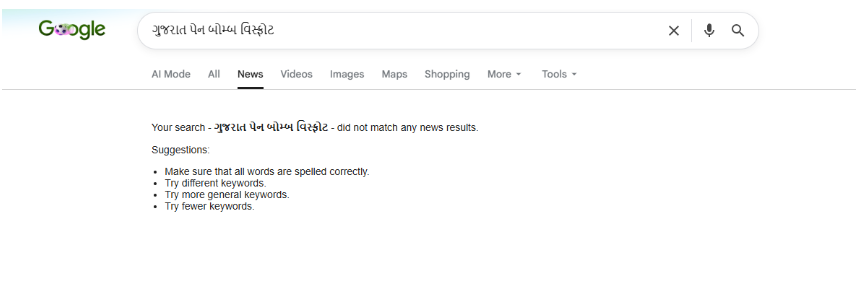
To verify the claim, we first searched for relevant news reports using English and Gujarati keywords. However, we found no credible media reports linking grenade-shaped pens to any explosions in Gujarat. During the search, we came across reports mentioning that certain Khalistani groups had allegedly sent emails threatening blasts in Ahmedabad and Gandhinagar. However, none of those reports mentioned grenade-style pens or any similar explosive devices.
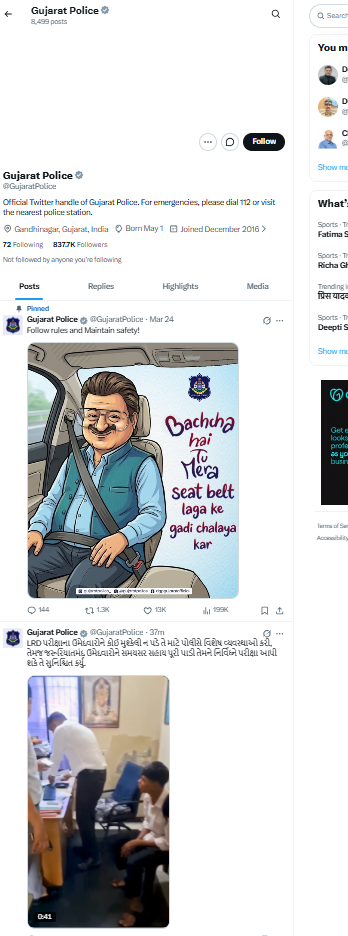
We also checked whether Gujarat Police had issued any warning, advisory, or public notice regarding such objects. However, no such advisory was found on any official Gujarat Police social media handle or public platform.
Next, we conducted a reverse image search of the viral photograph. The search led us to a listing on the American e-commerce website Etsy, where the product is described as a “Military Novelty Tank or Grenade Ink Pen.”
https://www.etsy.com/listing/889188479/military-novelty-tank-or-grenade-ink

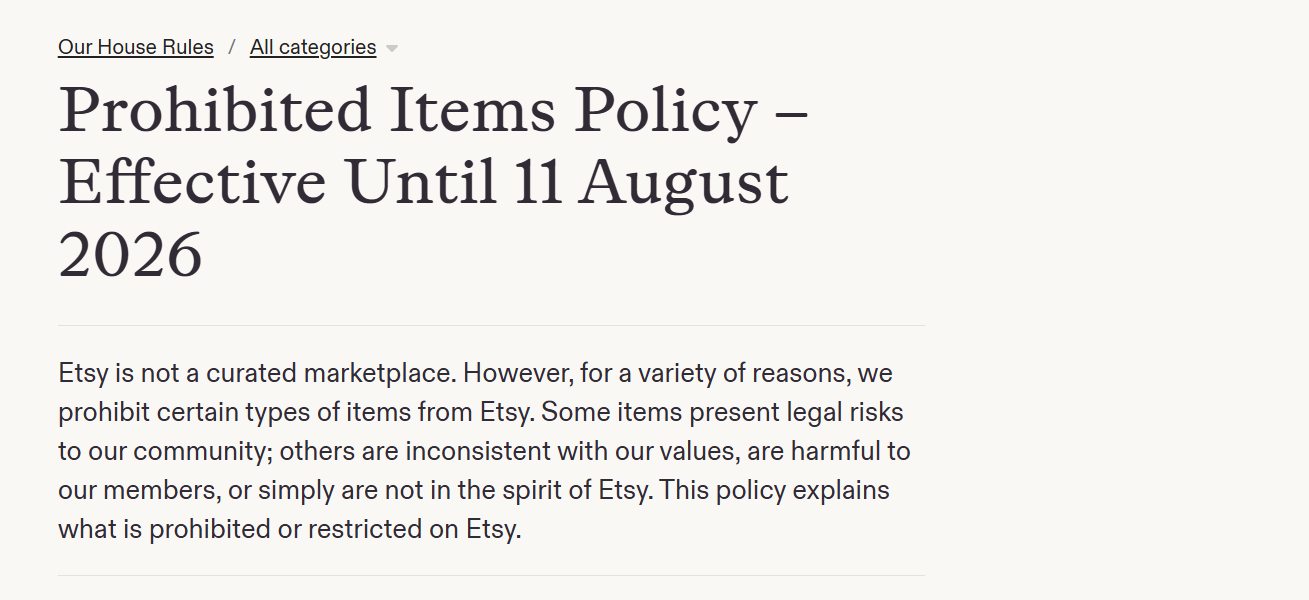
The product description indicates that it is a novelty writing instrument that uses refillable ink cartridges and is intended purely as a decorative or novelty item. We also reviewed Etsy’s prohibited items policy. According to the platform, weapons, explosives, and other dangerous items are not permitted to be sold on the website.
https://www.etsy.com/legal/prohibited/
Additionally, we attempted to contact Michael Dobbs, associated with the product listing, for clarification. This report will be updated if a response is received.
Conclusion
The evidence gathered during our research clearly shows that the claim is false. The viral image does not depict a bomb but a novelty grenade-style ink pen sold online. There is no evidence that such pens are causing explosions in Gujarat, and the claim being circulated on social media is entirely misleading.

Related Blogs

Introduction
Misinformation has been a significant concern in recent times, especially in the online information landscape. This past month, misinformation has been linked to the communal tensions that have flared up in the North Tripura district. While the law enforcement agencies were quick to respond, misinformation about the law and order situation spread rapidly. Shri Amitabh Ranjanon, Tripura’s Director General of Police, issued a public statement on 21st October 2024, Monday, clarifying “The state's law and order situation has improved, and misinformation is being spread about it”. This instance is a classic example of how misinformation can affect the delivery of good governance to citizens or hamper the relationship between the citizenry and the state mechanisms. Such misinformation undermines the efforts of the law enforcement agencies striving to maintain peace, and distorted narratives can colour public opinion about the authorities and create cycles of misplaced distrust.
DGP's Statement
DGP Amitabh Ranjanon clarified during an event to commemorate Police Commemoration Day, stating that the state has recorded a lesser number of crimes this year compared to the last 10 years. He emphasized that senior police officials promptly respond to any law and order issues and additional forces have been deployed as necessary. Ranjan highlighted the peaceful celebration of Durga Puja as a testament to the effective law enforcement measures in place, demonstrating communal harmony.
Impact of Misinformation in communal settings
Misinformation in communal settings can cause anxiety, fear, and distrust among community members, leading to conflicts. It undermines public confidence in law enforcement and government institutions. The spread of false information can erode trust in law enforcement and government bodies, hindering their ability to address and solve conflicts. Therefore, precise data and accurate information are essential in every environment to avoid the harm caused by misinformation.
Preventive Measures Against Misinformation
- Look for authenticated sources
In a digital landscape filled with information from various sources, it’s essential to differentiate between credible and unreliable content. Authenticated sources are typically reputable organizations and officials. Users must rely on authenticated sources to ensure the information's accuracy and credibility. Users must verify the source, confirm the claims made in the source by comparing them with other credible sources for accuracy, and follow fact-checking practices.
- Exercise caution on social media information
Social media platforms can rapidly disseminate information, but they can also serve as breeding grounds for misinformation. The ease of sharing content can lead to the spread of unverified claims, rumours, or even outright falsehoods. Therefore, exercising caution when engaging with information on these platforms is crucial. Users must scrutinize headlines and images as well, especially since misleading images can distort the truth with the advent of AI. One must always read beyond the headline and check the context of the images used and not make split-second decisions and impressions. Users must engage in critical thinking and share informed opinions responsibly, to promote discussions about the validity of shared content.
- Role of Awareness
Awareness about misinformation is essential for navigating the complexities of modern communication. People can make better decisions and help create a more informed society by being aware of the strategies used to disseminate false information. Users need to become knowledgeable about typical misinformation strategies, hone their cognitive abilities to critically assess internet content, and verify the reliability of sources before they form opinions, make decisions or share ahead.
Final words
By integrating these simple best practices into our daily lives we can cultivate a more informed public, reduce the spread of online misinformation, and enhance critical thinking skills among peers and the larger digital community.
References
- https://www.theweek.in/wire-updates/national/2024/10/21/cal8-tr-dgp.html
- https://www.newindianexpress.com/nation/2024/Oct/21/tripura-dgp-says-misinformation-being-spread-about-states-law-and-order-situation
- https://indianexpress.com/article/north-east-india/tripura/police-inaction-tripura-dgp-amitabh-ranjan-sharp-decline-crime-rate-9632509/
- https://www.newindianexpress.com/nation/2024/Oct/21/tripura-dgp-says-misinformation-being-spread-about-states-law-and-order-situation
.webp)
The 2020s mark the emergence of deepfakes in general media discourse. The rise in deepfake technology is defined by a very simple yet concerning fact: it is now possible to create perfect imitations of anyone using AI tools that can create audio in any person's voice and generate realistic images and videos of almost anyone doing pretty much anything. The proliferation of deepfake content in the media poses great challenges to the functioning of democracies. especially as such materials can deprive the public of the accurate information it needs to make informed decisions in elections. Deepfakes are created using AI, which combines different technologies to produce synthetic content.
Understanding Deepfakes
Deepfakes are synthetically generated content created using artificial intelligence (AI). This technology works on an advanced algorithm that creates hyper-realistic videos by using a person’s face, voice or likeness utilising techniques such as machine learning. The utilisation and progression of deepfake technology holds vast potential, both benign and malicious.
An example is when the NGO Malaria No More which had used deepfake technology in 2019 to sync David Beckham’s lip movements with different voices in nine languages, amplified its anti-malaria message.
Deepfakes have a dark side too. They have been used to spread false information, manipulate public opinion, and damage reputations. They can harm mental health and have significant social impacts. The ease of creating deepfakes makes it difficult to verify media authenticity, eroding trust in journalism and creating confusion about what is true and what is not. Their potential to cause harm has made it necessary to consider legal and regulatory approaches.
India’s Legal Landscape Surrounding Deepfakes
India presently lacks a specific law dealing with deepfakes, but the existing legal provisions offer some safeguards against mischief caused.
- Deepfakes created with the intent of spreading misinformation or damaging someone’s reputation can be prosecuted under the Bharatiya Nyaya Sanhita of 2023. It deals with the consequences of such acts under Section 356, governing defamation law.
- The Information Technology Act of 2000, the primary law that regulates Indian cyberspace. Any unauthorised disclosure of personal information which is used to create deepfakes for harassment or voyeurism is a violation of the act.
- The unauthorised use of a person's likeness in a deepfake can become a violation of their intellectual property rights and lead to copyright infringement.
- India’s privacy law, the Digital Personal Data Protection Act, regulates and limits the misuse of personal data. It has the potential to address deepfakes by ensuring that individuals’ likenesses are not used without their consent in digital contexts.
India, at present, needs legislation that can specifically address the challenges deepfakes pose. The proposed legislation, aptly titled, ‘the Digital India Act’ aims to tackle various digital issues, including the misuse of deepfake technology and the spread of misinformation. Additionally, states like Maharashtra have proposed laws targeting deepfakes used for defamation or fraud, highlighting growing concerns about their impact on the digital landscape.
Policy Approaches to Regulation of Deepfakes
- Criminalising and penalising the making, creation and distribution of harmful deepfakes as illegal will act as a deterrent.
- There should be a process that mandates the disclosures for synthetic media. This would be to inform viewers that the content has been created using AI.
- Encouraging tech companies to implement stricter policies on deepfake content moderation can enhance accountability and reduce harmful misinformation.
- The public’s understanding of deepfakes should be promoted. Especially, via awareness campaigns that will empower citizens to critically evaluate digital content and make informed decisions.
Deepfake, Global Overview
There has been an increase in the momentum to regulate deepfakes globally. In October 2023, US President Biden signed an executive order on AI risks instructing the US Commerce Department to form labelling standards for AI-generated content. California and Texas have passed laws against the dangerous distribution of deepfake images that affect electoral contexts and Virginia has targeted a law on the non-consensual distribution of deepfake pornography.
China promulgated regulations requiring explicit marking of doctored content. The European Union has tightened its Code of Practice on Disinformation by requiring social media to flag deepfakes, otherwise they risk facing hefty fines and proposed transparency mandates under the EU AI Act. These measures highlight a global recognition of the risks that deepfakes pose and the need for a robust regulatory framework.
Conclusion
With deepfakes being a significant source of risk to trust and democratic processes, a multi-pronged approach to regulation is in order. From enshrining measures against deepfake technology in specific laws and penalising the same, mandating transparency and enabling public awareness, the legislators have a challenge ahead of them. National and international efforts have highlighted the urgent need for a comprehensive framework to enable measures to curb the misuse and also promote responsible innovation. Cooperation during these trying times will be important to shield truth and integrity in the digital age.
References
- https://digitalcommons.usf.edu/cgi/viewcontent.cgi?article=2245&context=jss
- https://www.thehindu.com/news/national/regulating-deepfakes-generative-ai-in-india-explained/article67591640.ece
- https://www.brennancenter.org/our-work/research-reports/regulating-ai-deepfakes-and-synthetic-media-political-arena
- https://www.responsible.ai/a-look-at-global-deepfake-regulation-approaches/
- https://thesecretariat.in/article/wake-up-call-for-law-making-on-deepfakes-and-misinformation
.webp)
Data has become a critical asset for the advancement of a nation’s economic, social, and technological development. India’s emergence as a global digital economy hub makes it necessary to create a robust framework that addresses the challenges and opportunities of digital transformation. The Indian government introduced the Draft National Data Governance Framework Policy in 2022, aiming to create a comprehensive data handling and governance framework. This policy draft addresses key challenges in data management, privacy, and digital economy growth. As per the recent media reports, the Draft National Data Governance Policy so prepared is under the finalisation stage, the government specified in its implementation document for the Budget 2023-24 announcement. The policy also aims to address the country's AI adoption and the issue of lack of datasets by providing widespread access to anonymized data.
Background and Need for the Policy
India has a robust digital economy with its adoption of the Digital India Initiative, Aadhaar digital identification, UPI for seamless payments and many more. In India, 751.5 million people connect to the internet, and is home to 462.0 million social media users in January 2024, equivalent to 32.2% of its total population (Data Reportal 2024). This has brought challenges including data privacy concerns, cybersecurity threats, digital exclusion, and a need for better regulation frameworks. To overcome them, the Draft National Data Governance Policy has been designed to provide institutional frameworks for data rules, standards, guidelines, and protocols for the sharing of non-personal data sets in a manner that ensures privacy, security, and trust so that they remain secure, transparent, and accountable.
Objectives omphasizesf the Framework
The objective of the Framework Policy is to accelerate Digital Governance in India. The framework will standardize data management and security standards across the Government. It will promote transparency, accountability, and ownership in Non-Personal data and dataset access and build a platform to receive and process data requests. It will also set quality standards and promote the expansion of the datasets program and overall non-personal ecosystem. Further, it aims to build India’s digital government goals and capacity, knowledge, and competency in Government departments and entities. All this would be done while ensuring greater citizen awareness, participation, and engagement.
Key Provisions of the Draft Policy
The Draft Framework Policy aims to establish a cohesive digital governance ecosystem in India that balances the need for data utilization with protecting citizens' privacy rights. It sets up an institutional framework of the "India Data Management Office (IDMO) set up under the Digital India Corporation (DIC) which will be responsible for developing rules, standards, and guidelines under this Policy.
The key provisions of the framework policy include:
- Promoting interoperability among government digital platforms, ensuring data privacy through data anonymization and security, and enhancing citizen access to government services through digital means.
- The policy e the creation of unified digital IDs, a standardisation in digital processes, and data-sharing guidelines across ministries to improve efficiency.
- It also focuses on building digital infrastructure, such as cloud services and data centres in order to support e-governance initiatives.
- Furthermore, it encourages public-private partnerships and sets guidelines for accountability and transparency in digital governance.
Implications and Concerns of the Framework
- The policy potentially impacts data sharing in India as it mentions data anonymization. The scale of data that would need to be anonymised in India is at a very large scale and it could become a potential challenge to engage in.
- Data localization and cross-border transfers have raised concerns among global tech companies and trade partners. They argue that such requirements could increase operational costs and hinder cross-border data flows. Striking a balance between protecting national interests and facilitating business operations remains a critical challenge.
- Another challenge associated with the policy is over-data centralization under the IDMO and the potential risks of government overreach in data access.
Key Takeaways and Recommendations
The GDPR in the European Union and the Digital Personal Data Protection Act passed in 2023 in India and many others are the data privacy laws in force in different countries. The policy needs to be aligned with the DPDP Act, 2023 and be updated as per the recent developments. It further needs to maintain transparency over the sharing of data and a user’s control. The policy needs engagement with industry experts, privacy advocates, and civil society to ensure a balance of innovation with privacy and security.
Conclusion
The Draft National Data Governance Framework Policy of 2022 represents a significant stage in shaping India's digital future. It ensures the evolution of data governance evolves alongside technological advancements. The framework policy seeks to foster a robust digital ecosystem that benefits citizens, businesses, and the government alike by focusing on the essentials of data privacy, transparency, and security. However, achieving this vision requires addressing concerns like data centralisation, cross-border data flows, and maintaining alignment with global privacy standards. Continued engagement with stakeholders and necessary updates to the draft policy will be crucial to its success in balancing innovation with user rights and data integrity. The final version of the policy is expected to be released soon.
References
- https://meity.gov.in/writereaddata/files/National-Data-Governance-Framework-Policy.pdf
- https://datareportal.com/?utm_source=DataReportal&utm_medium=Country_Article_Hyperlink&utm_campaign=Digital_2024&utm_term=India&utm_content=Home_Page_Link
- https://www.imf.org/en/Publications/fandd/issues/2023/03/data-by-people-for-people-tiwari-packer-matthan
- https://inc42.com/buzz/draft-national-data-governance-policy-under-finalisation-centre/
- https://legal.economictimes.indiatimes.com/news/industry/government-unveiled-national-data-governance-policy-in-budget-2023/97680515
