
#FactCheck - Viral Video Showing Man Frying Bhature on His Stomach Is AI-Generated
A video circulating on social media shows a man allegedly rolling out bhature on his stomach and then frying them in a pan. The clip is being shared with a communal narrative, with users making derogatory remarks while falsely linking the act to a particular community.
CyberPeace Foundation’s research found the viral claim to be false. Our probe confirms that the video is not real but has been created using artificial intelligence (AI) tools and is being shared online with a misleading and communal angle.
Claim
On January 5, 2025, several users shared the viral video on social media platform X (formerly Twitter). One such post carried a communal caption suggesting that the person shown in the video does not belong to a particular community and making offensive remarks about hygiene and food practices..
- The post link and archived version can be viewed here: https://x.com/RightsForMuslim/status/2008035811804291381
- Archive Link: https://archive.ph/lKnX5

Fact Check:
Upon closely examining the viral video, several visual inconsistencies and unnatural movements were observed, raising suspicion about its authenticity. These anomalies are commonly associated with AI-generated or digitally manipulated content.
To verify this, the video was analysed using the AI detection tool HIVE Moderation. According to the tool’s results, the video was found to be 97 percent AI-generated, strongly indicating that it was not recorded in real life but synthetically created.

Conclusion
CyberPeace Foundation’s research clearly establishes that the viral video is AI-generated and does not depict a real incident. The clip is being deliberately shared with a false and communal narrative to mislead users and spread misinformation on social media. Users are advised to exercise caution and verify content before sharing such sensational and divisive material online.

Related Blogs

Introduction
The digital realm is evolving at a rapid pace, revolutionising cyberspace at a breakneck speed. However, this dynamic growth has left several operational and regulatory lacunae in the fabric of cyberspace, which are exploited by cybercriminals for their ulterior motives. One of the threats that emerged rapidly in 2024 is proxyjacking, in which vulnerable systems are exploited by cyber criminals to sell their bandwidth to third-party proxy servers. This cyber threat poses a significant threat to organisations and individual servers.
Proxyjacking is a kind of cyber attack that leverages legit bandwidth sharing services such as Peer2Profit and HoneyGain. These are legitimate platforms but proxyjacking occurs when such services are exploited without user consent. These services provide the opportunity to monetize their surplus internet bandwidth by sharing with other users. The model itself is harmless but provides an avenue for numerous cyber hostilities. The participants install net-sharing software and add the participating system to the proxy network, enabling users to route their traffic through the system. This setup intends to enhance privacy and provide access to geo-locked content.
The Modus Operandi
These systems are hijacked by cybercriminals, who sell the bandwidth of infected devices. This is achieved by establishing Secure Shell (SSH) connections to vulnerable servers. While hackers rarely use honeypots to render elaborate scams, the technical possibility of them doing so cannot be discounted. Cowrie Honeypots, for instance, are engineered to emulate UNIX systems. Attackers can use similar tactics to gain unauthorized access to poorly secured systems. Once inside the system, attackers utilise legit tools such as public docker images to take over proxy monetization services. These tools are undetectable to anti-malware software due to being genuine software in and of themselves. Endpoint detection and response (EDR) tools also struggle with the same threats.
The Major Challenges
Limitation Of Current Safeguards – current malware detection software is unable to distinguish between malicious and genuine use of bandwidth services, as the nature of the attack is not inherently malicious.
Bigger Threat Than Crypto-Jacking – Proxyjacking poses a bigger threat than cryptojacking, where systems are compromised to mine crypto-currency. Proxyjacking uses minimal system resources rendering it more challenging to identify. As such, proxyjacking offers perpetrators a higher degree of stealth because it is a resource-light technique, whereas cryptojacking can leave CPU and GPU usage footprints.
Role of Technology in the Fight Against Proxyjacking
Advanced Safety Measures- Implementing advanced safety measures is crucial in combating proxyjacking. Network monitoring tools can help detect unusual traffic patterns indicative of proxyjacking. Key-based authentication for SSH can significantly reduce the risk of unauthorized access, ensuring that only trusted devices can establish connections. Intrusion Detection Systems and Intrusion Prevention Systems can go a long way towards monitoring unusual outbound traffic.
Robust Verification Processes- sharing services must adopt robust verification processes to ensure that only legitimate users are sharing bandwidth. This could include stricter identity verification methods and continuous monitoring of user activities to identify and block suspicious behaviour.
Policy Recommendations
Verification for Bandwidth Sharing Services – Mandatory verification standards should be enforced for bandwidth-sharing services, including stringent Know Your Customer (KYC) protocols to verify the identity of users. A strong regulatory body would ensure proper compliance with verification standards and impose penalties. The transparency reports must document the user base, verification processes and incidents.
Robust SSH Security Protocols – Key-based authentication for SSH across organisations should be mandated, to neutralize the risk of brute force attacks. Mandatory security audits of SSH configuration within organisations to ensure best practices are complied with and vulnerabilities are identified will help. Detailed logging of SSH attempts will streamline the process of identification and investigation of suspicious behaviour.
Effective Anomaly Detection System – Design a standard anomaly detection system to monitor networks. The industry-wide detection system should focus on detecting inconsistencies in traffic patterns indicating proxy-jacking. Establishing mandatory protocols for incident reporting to centralised authority should be implemented. The system should incorporate machine learning in order to stay abreast with evolving attack methodologies.
Framework for Incident Response – A national framework should include guidelines for investigation, response and remediation to be followed by organisations. A centralized database can be used for logging and tracking all proxy hacking incidents, allowing for information sharing on a real-time basis. This mechanism will aid in identifying emerging trends and common attack vectors.
Whistleblower Incentives – Enacting whistleblower protection laws will ensure the proper safety of individuals reporting proxyjacking activities. Monetary rewards provide extra incentives and motivate individuals to join whistleblowing programs. To provide further protection to whistleblowers, secure communication channels can be established which will ensure full anonymity to individuals.
Conclusion
Proxyjacking represents an insidious and complicated threat in cyberspace. By exploiting legitimate bandwidth-sharing services, cybercriminals can profit while remaining entirely anonymous. Addressing this issue requires a multifaceted approach, including advanced anomaly detection systems, effective verification systems, and comprehensive incident response frameworks. These measures of strong cyber awareness among netizens will ensure a healthy and robust cyberspace.
References
- https://gridinsoft.com/blogs/what-is-proxyjacking/
- https://www.darkreading.com/cyber-risk/ssh-servers-hit-in-proxyjacking-cyberattacks
- https://therecord.media/hackers-use-log4j-in-proxyjacking-scheme

Introduction
The digital expanse of the metaverse has recently come under scrutiny following a gruesome incident. In a digital realm crafted for connection and exploration, a 16-year-old girl’s avatar falls victim to an agonising assault that kindled the fire of ethno-legal and societal discourse. The incident is a stark reminder that the cyberverse, offering endless possibilities and experiences, also has glaring challenges that require serious consideration. The incident involves a sixteen-year-old teen girl being raped through her digital avatar by a few members of Metaverse.
This incident has sparked a critical question of genuine psychological trauma inflicted by virtual experiences. The incident with a 16-year-old girl highlights the strong emotional repercussions caused by illicit virtual actions. While the physical realm remains unharmed, the digital assault can leave permanent scars on the psyche of the girl. This issue raises a critical question about the ethical implications of virtual interactions and the responsibilities of service providers to protect users' well-being on their platforms.
The Judicial Quagmire
The digital nature of these assaults gives impetus to complex jurisdictions which are profound in cyber offences. We are still novices in navigating the digital labyrinth where avatars have the ability to transcend borders with just a click of a mouse. The current legal structure is not equipped to tackle virtual crimes, calling for urgent reforms in critical legal structure. The Policymakers and legal Professionals must define virtual offenses first with clear and defined jurisdictional boundaries ensuring justice isn’t hampered due to geographical restrictions.
Meta’s Accountability
Meta, a platform where this gruesome incident occurred, finds itself at the crossroads of ethical dilemma. The company implemented plenty of safeguards that proved futile in preventing such harrowing acts. The incident has raised several questions about the broader role and responsibilities of tech juggernauts. Some of the questions demanding immediate answers as how a company can strike a balance between innovation and the protection of its users.
The Tightrope of Ethics
Metaverse is the epitome of innovation, yet this harrowing incident highlights a fundamental ethical contention. The real challenge is to harness the power of virtual reality while addressing the risks of digital hostilities. Society is still facing this conundrum, stakeholders must work in tandem to formulate robust and effective legal structures to protect the rights and well-being of users. This also includes balancing technological development and ethical challenges which require collective effort.
Reflections of Society
Beyond legal and ethical considerations, this act calls for wider societal reflections. It emphasises the pressing need for a cultural shift fostering empathy, digital civility and respect. As we tread deeper into the virtual realm, we must strive to cultivate ethos upholding dignity in both the digital and real world. This shift is only possible through awareness campaigns, educational initiatives and strong community engagement to foster a culture of respect and responsibility.
Safer and Ethical Way Forward
A multidimensional approach is essential to address the complicated challenges cyber violence poses. Several measures can pave the way for safer cyberspace for netizens.
- Legislative Reforms - There’s an urgent need to revamp legislative frameworks to mitigate and effectively address the complexities of these new and emerging virtual offences. The tech companies must collaborate with the government on formulating best practices and help develop standard security measures prioritising user protection.
- Public Awareness and Engagement - Initiating public awareness campaigns to educate users on crucial issues such as cyber resilience, ethics, digital detox and responsible online behaviour play a critical role in making netizens vigilant to avoid cyber hostilities and help fellow netizens in distress. Civil society organisations and think tanks such as CyberPeace Foundation are the pioneers of cyber safety campaigns in the country, working in tandem with governments across the globe to curb the evil of cyber hostilities.
- Interdisciplinary Research: The policymakers should delve deeper into the ethical, psychological and societal ramifications of digital interactions. The multidisciplinary approach in research is crucial for formulating policy based on evidence.
Conclusion
The digital Gang Rape is a wake-up call, demanding the bold measure to confront the intricate legal, societal and ethical pitfalls of the metaverse. As we navigate digital labyrinth, our collective decisions will help shape the metaverse's future. By nurturing the culture of empathy, responsibility and innovation, we can forge a path honouring the dignity of netizens, upholding ethical principles and fostering a vibrant and safe cyberverse. In this significant movement, ethical vigilance, diligence and active collaboration are indispensable.
References:
- https://www.thehindu.com/sci-tech/technology/virtual-gang-rape-reported-in-the-metaverse-probe-underway/article67705164.ece
- https://thesouthfirst.com/news/teen-uk-girl-virtually-gang-raped-in-metaverse-are-indian-laws-equipped-to-handle-similar-cases/

Executive Summary
A video showing a helicopter engulfed in flames is being widely circulated on social media with the claim that it depicts an American Black Hawk helicopter shot down by Iran during the ongoing Middle East conflict. However, research by the CyberPeace Research Wing found the claim to be false. The viral footage is old and dates back to February 2020, showing a helicopter shot down in Syria, not Iran.
Claim
A Facebook post shared from Nigeria on April 6, 2026, claimed: “The moment an American Black Hawk helicopter was struck by an Iranian heat-seeking missile.” The post, which has been shared over 100 times, includes a 50-second video showing a helicopter exploding mid-air and crashing to the ground.

Fact Check
On April 3, a US F-15E Strike Eagle was reportedly shot down over Iran, marking the first such incident since the start of the ongoing Middle East conflict.

Two Black Hawk helicopter deployed for a search-and-rescue mission for the jet’s crew were also hit by Iranian fire but managed to return to base, despite some crew members being injured.
- http://abcnews.com/Politics/us-fighter-jet-iran-search-rescue-officials/story?id=131685787&utm_source=chatgpt.com

US President Donald Trump had earlier announced the recovery of a missing pilot, describing it as “one of the most daring search and rescue operations in US history.
”
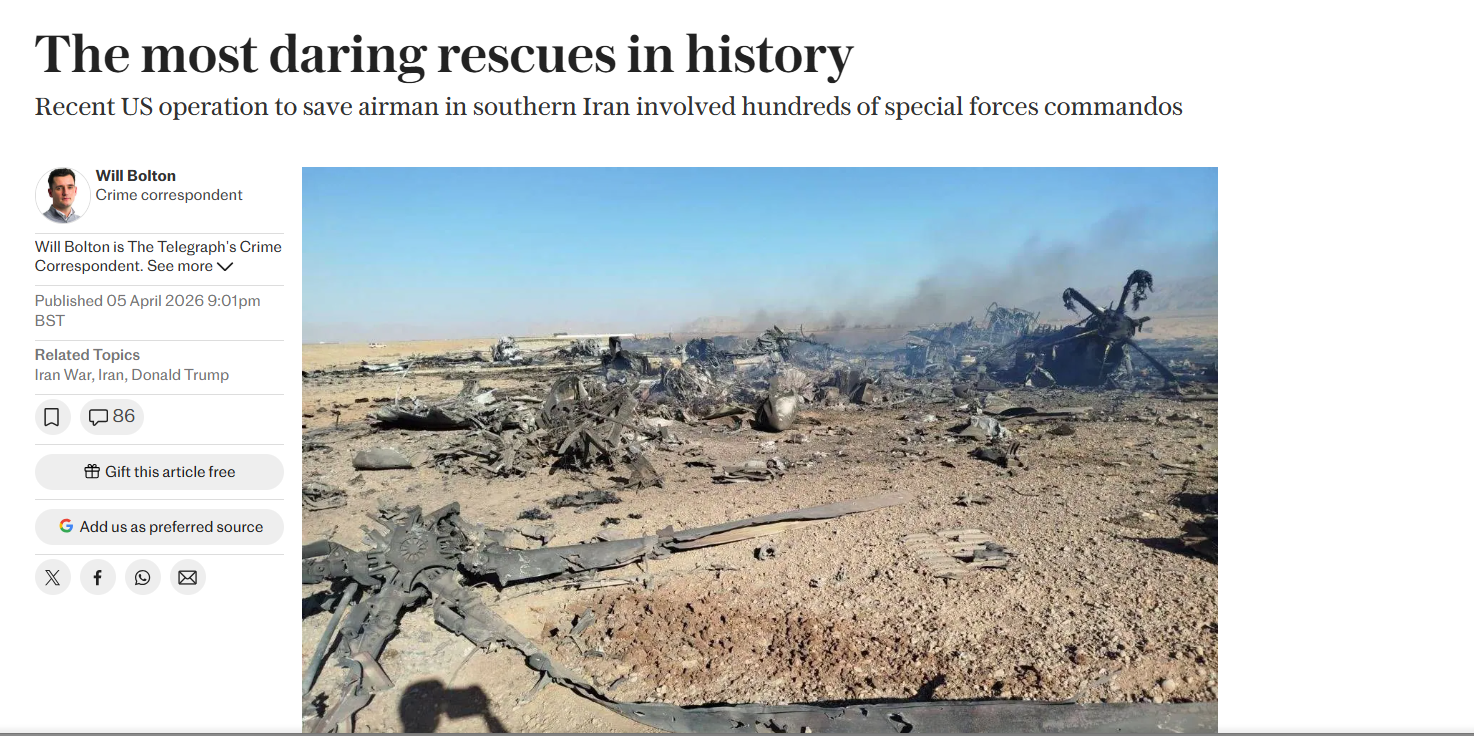
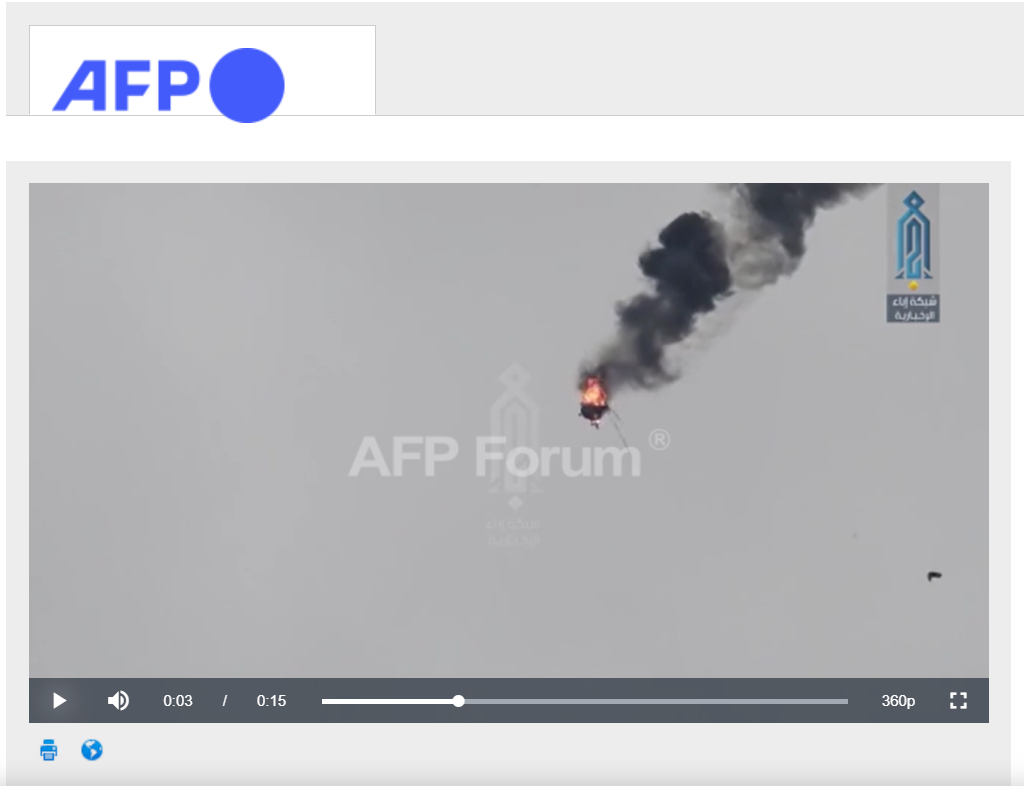
However, the viral video being shared as evidence of the downing of a US aircraft predates these events. Using reverse image search on keyframes from the clip, we found a longer version published by Euronews on February 11, 2020. The Arabic title of the video translates to: “Syrian regime helicopter shot down in Idlib, two pilots killed.” Reports indicate that the incident occurred in Idlib, Syria, in February 2020, where a military helicopter was shot down and caught fire before crashing.

The incident was also covered by other international media outlets, including AFP, which distributed images and videos of the crash.
- https://www.afpforum.com/AFPForum/Search/ViewMedia.aspx?mui=1&hid=5DFA75509C25E3CDC3F24CA3B41C1A9A854C8AA3EB2BC1C64FCC0192F0506138
Conclusion
The viral claim is false. The footage does not show an American helicopter shot down by Iran. Instead, it is an old video from February 2020 depicting a helicopter crash in Syria, which is being shared with a misleading and unrelated narrative.
